





















Mn Wild fans get the lowdown: how U.S. Olympians return and what it means for the final push

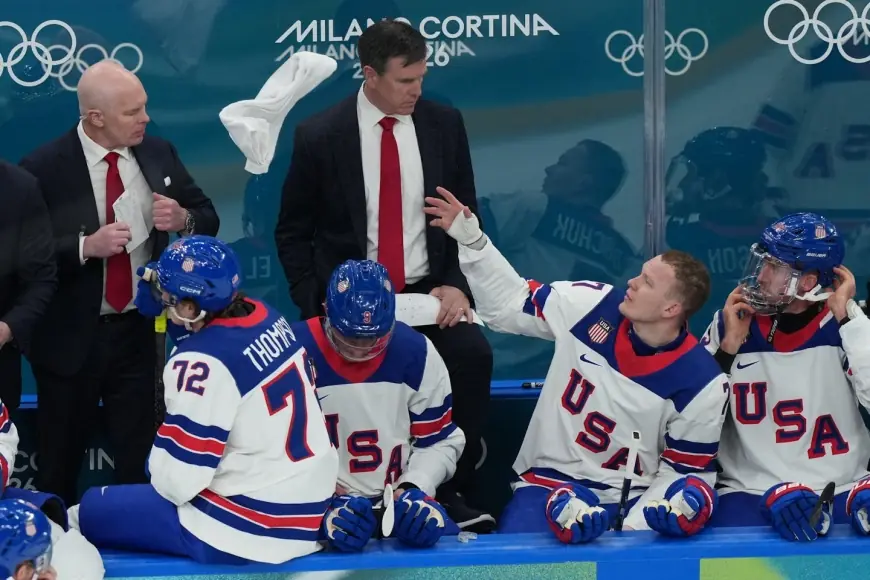
The timing of the Olympic break reshuffles immediate priorities for mn wild supporters: three gold-medal winners are coming back with heavy minutes in their legs, a coaching staff enriched by international experience is back with the team, and the standings gap to the division leader is suddenly within reach. That combination matters now because those variables will shape minutes, short-term recovery choices and the club’s push as it resumes play.
Mn Wild re-entry plan: where the players fit and how the club is managing recovery
Here’s the part that matters for fans keeping score: the team expects Matt Boldy, Brock Faber and Quinn Hughes to rejoin regular roles quickly rather than sit out games. Coaching notes emphasize managing rest and recovery around a tightly scheduled slate, but the plan is to have the trio available for immediate impact rather than prolonged absences.
- Boldy returns having scored the U. S. regulation goal in the gold-medal game; his offensive minutes are expected to pick up quickly.
- Faber comes back after heavy defensive usage and penalty-kill work for the U. S.; special-teams deployment will be a consideration.
- Hughes, recognized at the tournament level for his work on defense, is slated for top-pairing minutes.
What’s easy to miss is that the coaching staff’s Olympic experience is being treated as a coaching development win, with head-coach-level staff bringing sharpened preparation and high-stakes management back to the club. That improvement in process — not a single lineup decision — may produce the most durable benefit over the final stretch.
Event context and immediate roster notes without a play-by-play
Players returned from Milan after the gold-medal win and attended celebratory events in Washington before flying home on team-arranged transport. Trainers and medical staff who supported the national team — including the club’s athletic trainers and an orthopedic specialist — have been part of the return-to-club flow, which helps smooth the transition from international schedule to NHL ramp-up.
On the standings front, the team re-entered league play tied near the top of the table but trailing the division leader by a narrow margin; closing that gap is now framed as an achievable team goal rather than a longshot. Coaches have described a mix of optional skates and targeted rest; the expectation is availability for upcoming games rather than deliberate absences.
Key operational details fans should note:
- Travel and logistics: the trio flew back on owner-arranged transport and rejoined the team’s charter for the next road trip.
- Short-term scheduling: the club opens with multiple games in a compressed window, so minute management will be useful immediately.
- Medical status: the wider group returned largely healthy, with other players undergoing light ramp-up work as needed.
Key takeaways for supporters and fantasy-watchers:
- Expect Boldy, Faber and Hughes to be in the lineup and to resume substantial roles quickly.
- Coaching staff experience from the Olympics is being applied to preparation and in-game handling.
- Short-term rotations or optional practices are likelier than game absences for the returning players.
- The team’s position in the standings makes integrating the gold-medal trio a high-leverage move for a playoff push.
Timeline snapshot: the U. S. gold-medal victory closed the international break; the players paused for a celebratory visit to Washington and then rejoined the club for the next scheduled road slate. That condensed sequence leaves only a brief window for recovery before a crucial set of NHL matchups.
The real question now is how coaches translate tournament conditioning into sustainable NHL minutes — and whether early reintegration pays immediate dividends in games that matter for seeding and momentum.
The real test will be whether the returning players can convert international form into consistent contributions on the ice while the coaching staff balances recovery and competitiveness. Recent club comments stress player responsibility for their own recovery routines, with staff providing structure and options rather than blanket rest days.
It’s important to note that some details remain in motion and could evolve as the club finalizes lineups and manages travel fatigue. Recent updates indicate the plan is for the gold-medal winners to play; specifics about minute-by-minute deployment are expected to be settled closer to game time.
The bigger signal here is that the club views Olympic involvement as an experience that strengthens preparation and toughness — a behind-the-scenes gain that may show up in closer-game execution more than in any headline lineup change.