












Declan Rice Draws Contrasting Verdicts After Arsenal’s 4-1 Derby Win

Declan Rice made a costly first-half error in Arsenal’s 4-1 victory over Tottenham but immediately sought to steady his team, a sequence that has prompted both criticism and praise at a pivotal stage of the season. The debate matters now because Arsenal’s position at the top — and the temperament of its senior players — has been framed as decisive in the run-in.
Declan Rice's error and immediate reaction
Rice was dispossessed on the edge of Arsenal’s penalty area, a lapse that allowed Randal Kolo Muani to equalise late in the first half at the Tottenham Hotspur Stadium. He then raised his hand in an apologetic gesture, smiled, and encouraged teammates to return to the halfway line and regroup rather than dwell on the mistake. That swift attempt to settle the side is central to differing views about his leadership, with some seeing calm control and others noting visible emotion.
Wayne Rooney on Rice's temperament
Wayne Rooney said Rice’s desire to win can become a handicap. Rooney noted the midfielder has become more animated over the past four weeks and argued that this intensity sometimes fuels errors. He acknowledged that mistakes happen on the pitch, and urged Rice to "take a deep breath and compose yourself, " framing the advice as a compliment: Rice wants to win so intensely that, after a poor moment, it appears to be eating him up.
Paul Scholes, Nicky Butt and the call for calm leaders
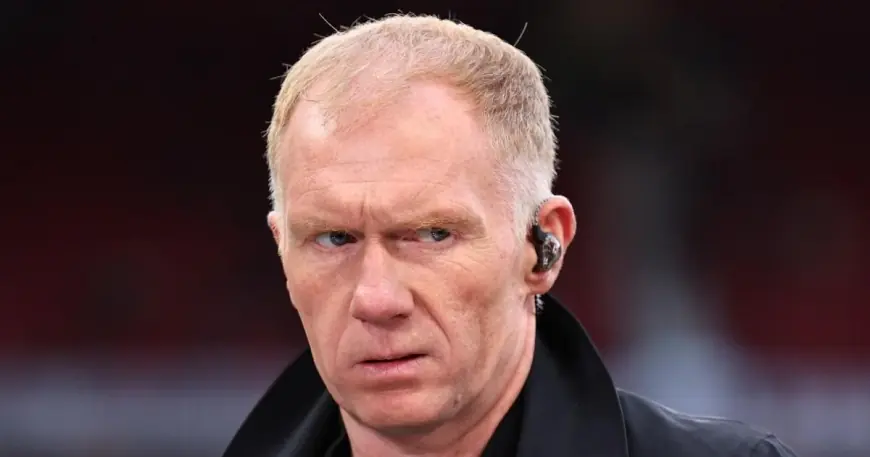
Paul Scholes described Rice as almost "too emotional, " suggesting Arsenal might benefit from more calmness among senior players if they are to secure the Premier League title. The comments came alongside Nicky Butt’s argument that the current squad lacks old-school leaders like Roy Keane or Martin Keown. Butt said he views Rice and William Saliba as leaders but suggested the team still needs someone to seize control vocally in key moments.
Comparisons to William Gallas and the 2008 collapse
The handling of Rice’s error was compared to William Gallas’s notorious reaction in 2008 by Theo Walcott, who was working for Sky on Sunday. Walcott recalled a dramatic collapse in which Arsenal were leading by five points with ten games remaining before a run of events — including Eduardo’s broken leg and Gael Clichy conceding a stoppage-time penalty — undermined that advantage. Gallas’s final-whistle one-man sit-down protest was cited as a contrasting display of leadership unraveling under pressure; Rice’s response was presented as the opposite, an effort to steady the group after adversity.
Match facts: Eberechi Eze, Viktor Gyokeres and the standings
Arsenal recovered from a midweek loss at Wolves to beat Tottenham 4-1, with Eberechi Eze and Viktor Gyokeres each scoring twice. The win left Arsenal five points clear of second-placed Manchester City, who had earlier beaten Newcastle 2-1 — a result that occurred 24 hours before the derby. The second-half display, in which Eze and Gyokeres combined to dominate Igor Tudor’s side, turned a nervy contest into a comprehensive victory.
What makes this notable is the way a single match has crystallised two narratives: one that stresses emotional intensity as a liability, and another that emphasises composure and quick recovery as leadership in practice. At 27, Rice’s behaviour under pressure — whether viewed as overly emotional or quietly authoritative — has become a talking point as Arsenal pursue the title, and the responses from former players and pundits underline how expectations of senior figures are shaping the conversation in the run-in.