













Punch The Monkey Update: Punch Monkey Japan Story Sparks New Welfare Changes

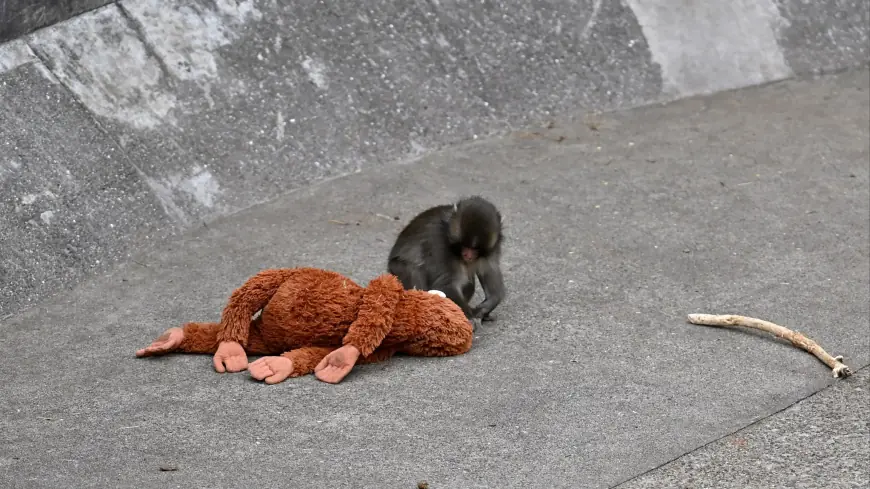
A small Japanese macaque named Punch has become the focus of a global wave of attention, turning punch the monkey into one of the most searched animal stories of the week. The latest punch the monkey update centers on one question: is Punch safe and settling in after emotional videos showed him isolated and jostled inside his troop? In punch monkey Japan, the answer from caretakers is that he’s adapting, and the zoo has added new steps meant to reduce stress for Punch and the other macaques.
Punch The Monkey Update: How Punch Is Doing Right Now
The newest punch the monkey update says Punch is integrating more smoothly than early viral clips suggested. Caretakers describe interactions that look rough but are consistent with how macaques establish boundaries and social order. The most significant change is that Punch is no longer consistently alone; he has been observed playing near other young monkeys and lingering close to at least one older animal that appears tolerant of his presence.
That shift matters because Punch’s situation began with rejection by his mother, followed by intensive hand-rearing. Hand-reared primates can face extra challenges reading social cues, which can slow the process of joining a troop. The zoo’s messaging has focused on careful observation and gradual adjustment rather than sudden interventions that could disrupt the group.
Punch Monkey Japan: Why The Viral Clips Alarmed Viewers
The punch monkey Japan story took off after short videos showed Punch being pulled, pushed, or chased while he clung to a large plush toy used for comfort. Many viewers interpreted the behavior as bullying. In macaque groups, however, physical contact can serve multiple purposes: play, correction, boundary-setting, and hierarchy testing.
That doesn’t mean welfare concerns are irrelevant. The risk is highest when a smaller, younger monkey is repeatedly targeted by stronger animals or when stress levels rise due to crowds, noise, or constant attention. That’s why the zoo has leaned into prevention—reducing pressure on the enclosure and giving the troop more space from heavy foot traffic during peak visiting hours.
Punch The Monkey: Stress-Reduction Steps At The Exhibit
In response to the surge in visitors, the zoo has implemented viewing controls intended to keep the environment calmer. These steps have included restricting access to certain areas around the enclosure to reduce noise and crowding, which can elevate stress hormones in primates and contribute to agitation within the group.
For Punch, the stress question has two layers: his personal transition into the troop and the troop’s response to an abrupt rise in human attention. The exhibit changes are designed to address both. When macaques feel pressured, tension can spread quickly across the group, which increases the chance of rough encounters.
Punch Monkey Timeline: What Happened This Week (ET)
| Date (ET) | What happened | Why it matters for the punch monkey story |
|---|---|---|
| Feb. 23, 2026 | Visitor controls and calmer viewing areas expand around the macaque habitat | Reduces stress triggers that can intensify conflict |
| Feb. 24, 2026 | Wider attention builds around Punch’s isolation and attachment to a plush toy | Public concern grows, increasing pressure on the zoo to clarify welfare steps |
| Feb. 25, 2026 | Caretakers share a fresh punch the monkey update describing better social integration | Signals progress as Punch spends more time near other monkeys |
Punch Monkeys And The Bigger Debate Around Zoo Welfare
The punch monkeys conversation has broadened beyond Punch himself into a wider debate about standards for primate care, especially for young animals that must be hand-reared. Supporters of the zoo’s approach argue that gradual integration is essential, because isolating Punch long-term would limit his ability to learn normal macaque behaviors. Critics argue that public viewing can amplify stress during sensitive transitions and that zoos should be more conservative with exposure when an animal’s social position is fragile.
Both perspectives share a common point: the conditions around social integration matter as much as the integration itself. Quiet viewing zones, careful monitoring, and the ability to separate animals if risks rise are all practical levers that can improve outcomes.
What To Watch Next In Punch The Monkey Update
The next phase of the punch the monkey update will likely focus on three measurable signals: how often Punch initiates play, whether he can rest without being displaced, and whether contact remains routine rather than escalating into repeated targeting. The zoo’s visitor-management steps will also remain important, since crowd intensity can shape group behavior even when animals are physically separated by barriers.
For now, the central takeaway in punch monkey Japan is that Punch’s situation is evolving in real time: early distress gave way to cautious progress, and the exhibit is being adjusted to support a calmer environment while the troop’s social dynamics settle.