




















Western Power Stretched Managing Pole-Top Fires

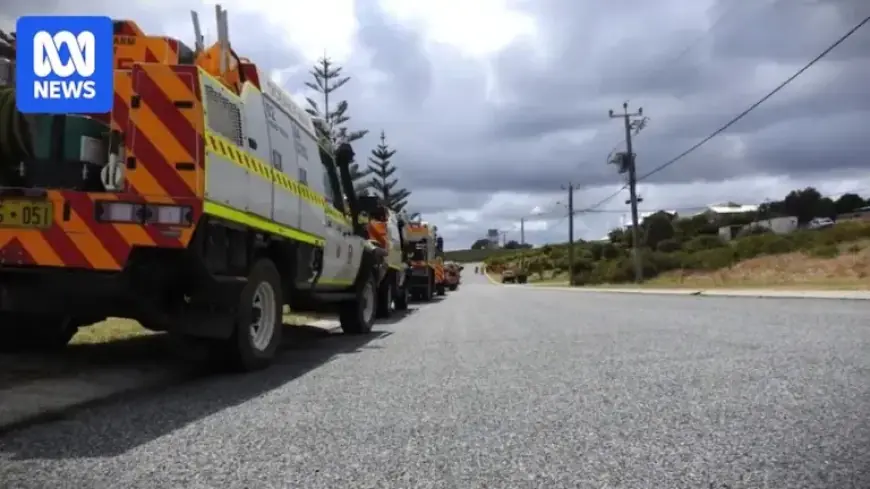
Regional shires in Western Australia are facing mounting challenges due to the slow response from Western Power in managing pole-top fires. These incidents occur when light rain combines with dust on power pole insulators, causing arcing that ignites the infrastructure. Emergency services are unable to extinguish these fires until Western Power confirms power isolation.
Volunteer Firefighters Struggling with Increased Demand
Linda Balcombe, the president of the Gingin shire, expressed concern over the rising number of pole-top fires and the strain it places on volunteer firefighters. In just the first two weeks of February, local crews responded to approximately 12 such incidents. Balcombe noted that volunteers often find themselves “babysitting” these fires for extended hours, leading to frustration within the community.
The reliance on volunteers is becoming increasingly apparent. “The volunteers and the local community are quite annoyed and feel like Western Power is taking advantage of them,” Balcombe stated. She emphasized the vital role of volunteer firefighters during bushfire seasons, noting that their time and commitment are being stretched thin due to these fires.
Local Leaders Voice Concerns
Matt Fanning, CEO of the Mingenew shire, echoed similar frustrations at a recent meeting of the local Bushfire Awareness Committee. He remarked on the conflict between the additional fire response duties and the everyday lives of these volunteers, warning that some might abandon their roles if the demand continues to grow.
Pressure on Resources During Peak Season
Evan Lawrence, chief bushfire control officer in Gingin shire, highlighted the ongoing strain on volunteers amid a busy bushfire season. He reported fatigue issues as crews manage emergencies both locally and regionally. “The amount of time it takes Western Power to respond to pole-top fires puts the community at risk,” Lawrence stated. He recounted a situation where a volunteer monitored a fire for nearly six hours, only to learn that another fire broke out nearby because of a separate pole-top fire.
Need for Solutions
The WA Local Government Association president, Karen Chappel, acknowledged the pressure facing local governments and fire brigades. She called for collaborative efforts to alleviate the burden on volunteer personnel and ensure that Western Power is adequately resourced for prevention and mitigation.
Western Power’s Response
A spokesperson for Western Power explained that many rural distribution feeders exceed 100 kilometers in length. They noted that reaching these areas often involves challenging terrain, which complicates timely responses. “We appreciate the support from volunteer brigades,” the spokesperson said, emphasizing that Western Power is committed to monitoring weather conditions and exploring new technologies to mitigate the risk of pole-top fires.
In conclusion, as pole-top fires continue to challenge both volunteer firefighters and local communities, prompt action from Western Power and enhanced resource allocation are essential. The ongoing dialogue among local leaders reflects a pressing need to find sustainable solutions to maintain safety and support volunteer efforts.