

















Ford Explorers Encounter Persistent Suspension Issues Again

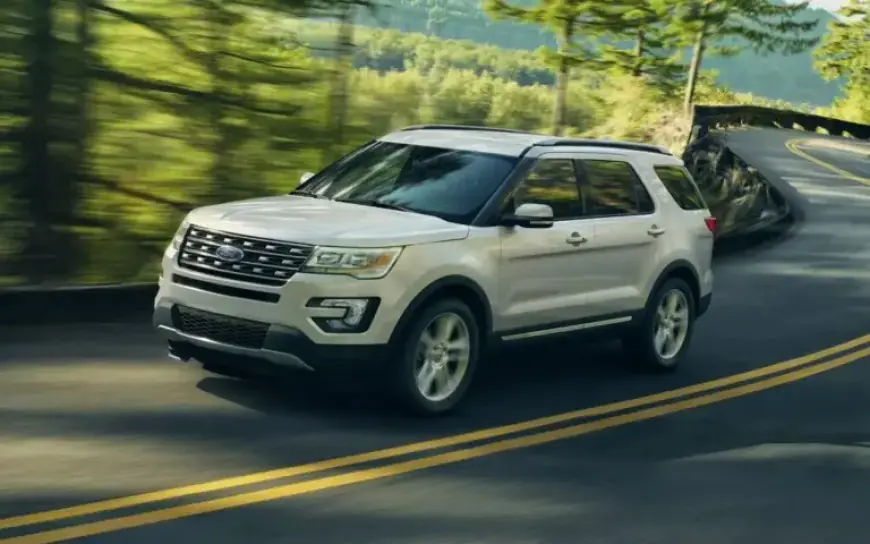
The Ford Explorer continues to face significant scrutiny due to recurring mechanical issues, particularly concerning its rear suspension. This week, Ford announced a new recall for 2017 to 2019 model years due to potential rear suspension problems affecting more than 412,000 vehicles in the United States.
Details of the Recall
Ford is set to notify owners by mid-March about the recall. The issue has raised concerns among both consumers and safety regulators. The National Highway Traffic Safety Administration (NHTSA) has confirmed that the rear toe links can fracture when under load. This defect poses a risk to steering control, which could ultimately result in accidents.
- Models Affected: 2017-2019 Ford Explorers
- Total Units Impacted: Over 412,000 in the U.S., approximately 40,000 estimated in Canada
- Recall Notification: Mid-March
Symptoms of the Suspension Problem
Ford suggests that drivers should be aware of several warning signs related to the suspension issue. Symptoms may include:
- Misaligned rear wheels
- Clunking noises
- Vibrations while driving
- Abnormal handling characteristics
Previous Recalls and Investigations
This is not Ford’s first encounter with suspension-related recalls. Between 2019 and 2021, the company issued three recalls affecting around 120,000 Canadian units from model years 2011 to 2017. Concerns from these earlier recalls included premature wear and corrosion of suspension parts, particularly in regions where road salt is heavily used during winter.
While Ford has been informed of two accidents linked to this suspension defect, there have been no reported injuries as of this writing. An ongoing investigation aims to identify the precise cause of the toe link failure, with early indications pointing to potential issues with cross-axis ball joints seizing and bending the suspension components.
Proposed Solutions
To address the ongoing suspension problems, Ford plans to replace the problematic rear suspension toe links with improved versions. These new components are engineered to resist corrosion better, theoretically reducing the likelihood of a seized ball joint.
As the situation develops, consumers are urged to stay informed through notifications from Ford and relevant safety authorities. The company continues to work closely with regulators to ensure vehicle safety and reliability.