
























ISIL-Linked Detainees Leaving Syrian Camp Raise Security Concerns

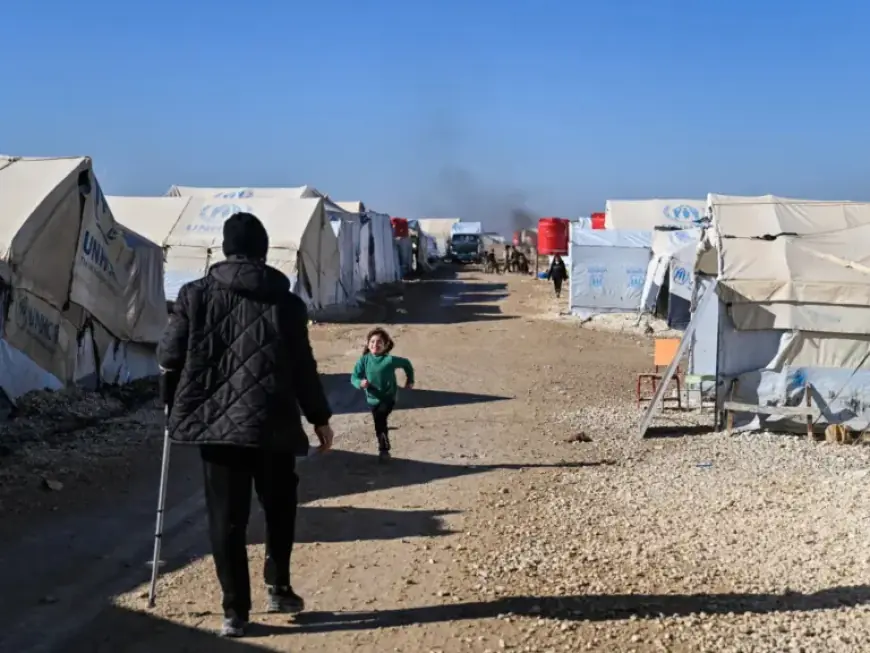
The number of residents at al-Hol camp in Syria has plummeted dramatically. Earlier this year, around 24,000 individuals occupied the site, but current estimates suggest the count is now in the low thousands. This major decline raises urgent security concerns regarding ISIL-linked detainees leaving the notorious camp.
Al-Hol Camp Overview
Al-Hol, situated near the Syria-Iraq border, has historically housed a mix of displaced Syrians and foreign nationals connected to ISIL. At its height in 2019, the camp held about 73,000 families. Managed by the Kurdish-led Syrian Democratic Forces (SDF), control of al-Hol shifted to the Syrian government after a military offensive in January 2024.
Exodus from Al-Hol
Details about the recent exit of individuals from al-Hol remain unclear. Reports indicate that most Syrian residents returned to their hometowns, while many foreign nationals moved towards government-controlled areas, including Idlib and Aleppo. Humanitarian groups and analysts express concern over the lack of coordination and clarity regarding how these families left the camp.
- Approximately 14,500 Syrians and 4,000 Iraqis were in al-Hol as of January.
- About 6,200 individuals from other countries, primarily women and children, were detained in a secured area.
- The camp was established by the SDF post-2019 after defeating ISIL with U.S. assistance.
Security Risks
The mass movement of individuals from al-Hol raises significant security concerns. Analysts warn that some individuals may join factions looking to destabilize the region. Recent reports indicate there were multiple assassination attempts against senior Syrian officials by ISIL.
Caroline Rose from the New Lines Institute cautions that if radicalized detainees contribute to ISIL attacks, it could jeopardize the Syrian government’s stability. “This trend could lead to a crisis of trust in the government,” she stated.
Humanitarian Concerns
The escape of many families from al-Hol, characterized by uncoordinated methods, heightens vulnerabilities. Reports also indicate that some families might face trafficking or exploitation due to their precarious situation. Sarah Sanbar from Human Rights Watch emphasizes the urgent need for safer repatriation processes for these individuals.
Conditions Inside Al-Hol
Conditions at al-Hol have drawn criticism from various humanitarian organizations. A 2022 Doctors Without Borders report highlighted inadequate food, water, and medical care, contributing to perceptions of the camp as a prison.
About 40 kilometers from al-Hol, the Roj camp remains under the control of the SDF. Residents there express fear that the fate of al-Hol may befall them next, grappling with uncertainty about their status and potential repatriation.
A resident in Roj articulated deep worries about safety during nightly SDF raids and the likelihood of being sent back to the chaotic situation in Syria. Many detainees, including women and children, plead for repatriation but find their requests unanswered by their home countries.
As the situation in al-Hol unfolds, the global community faces increased pressure to address the turmoil and protect the vulnerable populations affected by these developments.