

























Debt Relief Debate Reignites as Britain’s Aid Cuts Leave Vulnerable Communities First to Suffer

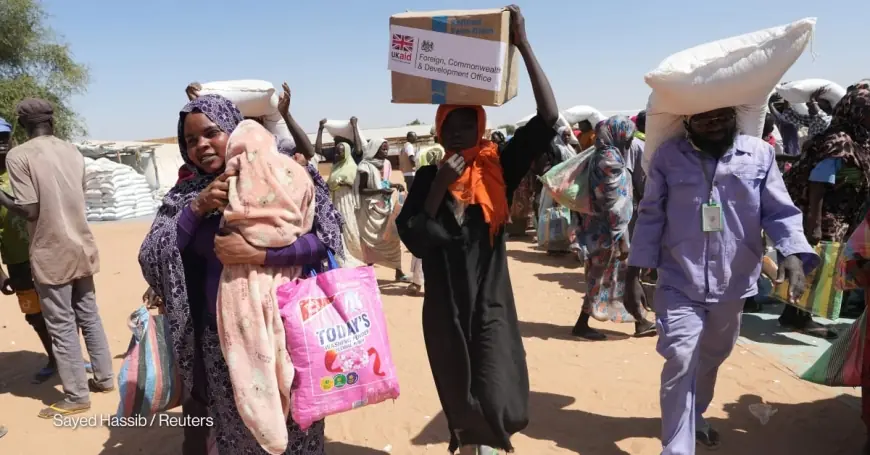
Who feels the pain first matters: communities in fragile states, women and girls, children and people with disabilities have already seen lifesaving services erode — and campaigners argue debt relief and wider financial reforms are central to any repair. The discussion over debt relief is now tangled with calls from charity leaders and aid agencies for the government to set out a credible plan to reverse a set of cuts implemented a year ago.
Debt Relief and immediate impact: which groups are already hurt
The human effects are front and center. Aid agencies describe food insecurity among children, reduced shelter and safe spaces for women, and once-thriving communities unable to rebuild after disasters in places such as DRC and South Sudan. An equalities impact assessment of the cuts highlights that women and girls, people with disabilities, children and those living through conflict are likely to be hardest hit. Here's the part that matters: these harms are not hypothetical — charity leaders say they are happening now and threaten core health, reproductive and protection programmes.
- Nearly 100 charity leaders (93 organisations signed a joint statement) have urged the government to set out plans to reverse the cuts, warning of programme closures across Africa and Asia.
- Charities report that cuts are compounding reductions from other high-income countries, reducing access to shelter, food, water and schooling in fragile contexts.
- Campaigners link the government’s shift to a broader call for financial remedies, including proposals around global debt action that could free resources for development.
- Government allocations for the next three years are due to be published; charities say clarity is needed urgently to stop further damage.
It's easy to overlook, but these are also trust issues: local partners and sector experts say the abrupt nature of the reductions has eroded relationships that aid programmes depend on.
What the policy change looked like and the core numbers behind it
The cuts announced a year ago were large in scale and politically consequential: described as manifesto-breaking, they amounted to roughly a 40% reduction in real terms — presented internally as about £6 billion a year — and were justified publicly as the price of higher defence spending. The decision was devised by a small inner circle in government and rushed out ahead of a high-profile foreign visit, putting ministries responsible for overseas assistance under pressure to implement deep reductions while trying to limit further harm to lives on the ground.
Specific policy shifts include a stated plan to reduce the Official Development Assistance target from 0. 5% to 0. 3% by 2027. The charity sector warns that this scale of retrenchment threatens lifesaving health and reproductive programmes in fragile and conflict-affected countries, and has already led to staffing and programme cuts within the government department responsible for overseas assistance.
Micro timeline:
- One year ago: government announced major cuts to international assistance; the move has since been described as manifesto-breaking.
- Within the year: charities report programme closures and mounting humanitarian impacts in multiple countries, with warnings the worst effects are yet to come.
- Near term: the government is due to publish aid allocations for the next three years; charities expect this to show how deep and lasting the retrenchment will be.
The real question now is whether reversal is politically feasible and what mechanisms would follow. Charity leaders are calling for not just a restoration of funding but a plan that centers poverty reduction and strengthens global financial fairness. Part of that debate explicitly points to debt relief and global financial reforms as tools that could transform the fiscal space available to low-income countries, enabling them to invest in their own priorities.
Signals that would confirm a policy shift include a clear government timetable to restore overseas assistance levels, explicit funding commitments for at-risk programmes, and concrete engagement on global debt solutions with international partners. If you’re wondering why this keeps coming up: the sector believes the combination of sudden budget cuts and eroded trust with local partners has immediate operational consequences that will take years to repair unless policy direction changes.
Writer’s aside: What’s easy to miss is how quickly institutional relationships fray when funding is cut without consultation — rebuilding them is both a political and practical task that can be more costly than restoring budgets.
Recent statements from development and faith-based agencies frame this moment as an opportunity to pair funding restoration with structural moves on debt and finance. Details may evolve as the government publishes its allocations, but charity leaders are united in urging a reversal and a new strategy that protects the most vulnerable.