




















Mexico news today: Security operations widen after cartel leader killing as officials address World Cup, travel, and port disruptions

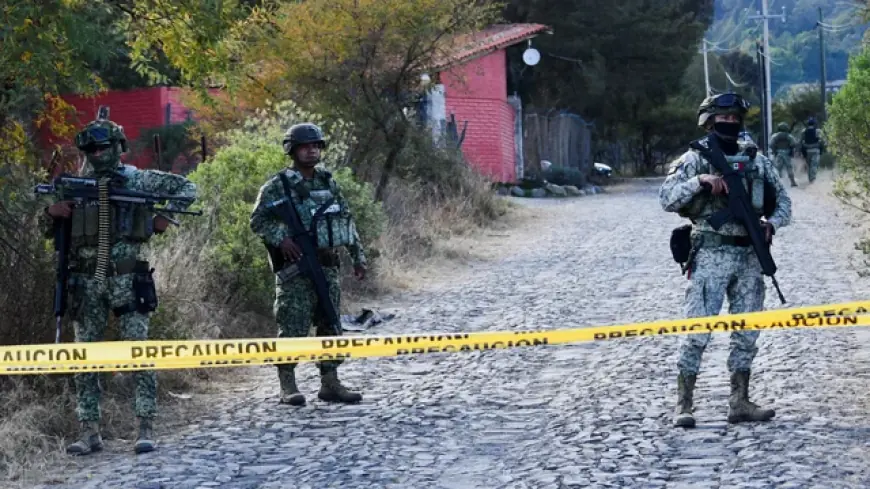
Mexico news today is dominated by fast-moving security developments in western states, official efforts to reassure travelers and major events, and new pressure points for the economy and public safety. Authorities are managing the fallout from the killing of a top cartel figure, while communities from Guadalajara to coastal tourist hubs work to restore normal activity after road blockades, arson incidents, and heavy security deployments.
At the same time, Mexico’s national agenda is juggling high-visibility international commitments, including the 2026 World Cup, alongside day-to-day concerns such as maritime drug interdictions and transport disruptions that can ripple through trade corridors.
Mexico news today: Jalisco focus after “El Mencho” killing triggers unrest
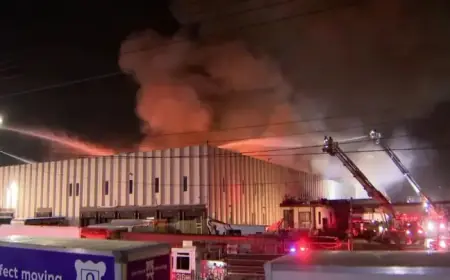
The most consequential development in Mexico news today remains the aftermath of the killing of Nemesio Rubén Oseguera Cervantes, widely known as “El Mencho,” long associated with a major criminal organization headquartered in Jalisco. In the days since the operation, authorities have faced retaliatory flare-ups that included road blockades, vehicle burnings, and localized violence reported across multiple states.
Security forces have increased patrols and checkpoints, and some municipalities have seen a visibly larger presence of military and police units. For residents and businesses, the biggest immediate issue is mobility: blockades and sudden road closures can interrupt commutes, deliveries, and access to services even when violence is not continuous.
Puerto Vallarta and nearby destinations push toward normal operations
Tourism-facing areas have moved quickly to stabilize after the weekend disruption, with cleanup efforts underway and additional security positioned around key corridors. In Puerto Vallarta, local messaging has emphasized a return toward routine operations, though visitors may notice heightened law enforcement visibility and precautionary measures around busy zones.
Air travel and ground transportation have been key indicators. As routes reopen and schedules normalize, officials are trying to prevent misinformation from driving unnecessary cancellations. The near-term outlook hinges on whether retaliatory activity continues to spread or stays contained to short, sporadic incidents.
World Cup reassurance and the politics of safety messaging
Mexico news today also includes official attempts to project confidence ahead of the 2026 World Cup. Public statements have stressed that tournament planning continues and that host cities are preparing to receive international visitors. That reassurance serves two purposes: limiting economic damage to tourism and maintaining confidence in large-scale event logistics.
Still, the practical challenge is that security perceptions can shift faster than security realities. Event planners and city authorities typically respond by tightening perimeter plans, increasing coordination across agencies, and refining rapid-response protocols for transit hubs, fan zones, and match-day routes.
Security advisories and travel posture tighten in targeted zones
Government and diplomatic security advisories have flagged ongoing operations tied to the western-region unrest, with specific warnings focused on areas where road blockades or violent incidents have occurred. These advisories often urge travelers to monitor local conditions, avoid demonstrations or disruptions, and plan alternate routes.
For businesses, the impact can be immediate: shipping schedules and employee travel plans may change with little notice. For families, school operations and public services can be affected when security forces restrict access to certain roads or neighborhoods.
Maritime interdictions and trade corridors stay in the spotlight
Beyond the violence-related headlines, Mexico news today includes continued maritime drug enforcement activity. Naval seizures of suspected narcotics at sea are part of an ongoing effort to disrupt trafficking routes that rely on specialized vessels and coastal transfer points.
Separately, any transport disruption—whether from security incidents or labor actions—can complicate supply chains. Even short-lived blockages around ports, highways, or rail lines can create backlogs that take days to unwind, particularly when the affected corridor is a key link between industrial regions and export infrastructure.
Snapshot: key developments shaping Mexico news today (ET)
| Development | Where it matters most | What to watch next (ET) |
|---|---|---|
| Post-operation unrest after “El Mencho” killing | Jalisco and nearby states | Whether blockades reappear during peak commute hours |
| Tourism normalization efforts | Puerto Vallarta and coastal routes | Flight reliability and road accessibility through midweek |
| World Cup safety messaging | Host cities and transport hubs | Adjustments to security perimeters and transit plans |
| Security advisories and targeted operations | Western-region road networks | Duration of checkpoints and any new travel restrictions |
| Maritime drug seizures | Pacific and Gulf approaches | Follow-on investigations and additional interdictions |
Mexico news today is likely to remain fluid through the next 24–48 hours as authorities attempt to prevent further retaliatory actions while restoring normal commerce and travel. The immediate signal to watch is whether disruptions stay localized and short-lived, or shift into a pattern that forces longer closures and broader security measures.