






















Market Crossroads: How Trump’s State of the Union and Nvidia’s Earnings Could Reshape Tech Valuations and Oil Risk

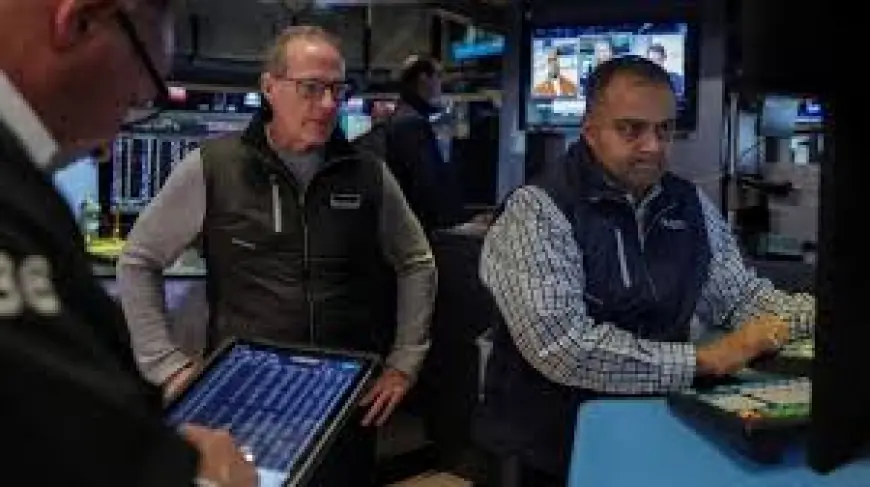
The market is at a fragile hinge: futures traded roughly flat while investors absorbed the political signals from the State of the Union and braced for major tech earnings that could reprice an already elevated sector. With Nvidia, Salesforce and Snowflake all due around the same window and fresh tariff and Gulf-security rhetoric in play, the immediate question is whether gains from a tech rotation hold or reverse once corporate results land.
Market ripple effects: who moves first and what could change
Here’s the part that matters: muted futures hide concentrated pressure points. Tech stocks led a pickup in the regular session as investors rotated back into the sector, but those gains are vulnerable because analysts and traders are scanning earnings for signs that heavy AI spending by big cloud buyers is sustainable. If quarterly reports show slower-than-expected demand or cost pressure from AI infrastructure, the market’s reassessment of lofty tech valuations could accelerate.
Simultaneously, political moves tied to tariffs and heightened US–Iran tensions raise the bar for volatility. A recent tariff increase to 10% took effect, and there has been public discussion about raising that level further. Crude benchmarks ticked up roughly 0. 7% earlier in the day and then steadied, underscoring that energy markets are sensitive to security developments around the Strait of Hormuz. Traders who focus on cross-asset flows will be watching whether oil price swings and geopolitical headlines pull capital out of risk assets or push more into defensive sectors.
What’s easy to miss is how quickly sentiment can flip when a consensus trade — in this case, a tech rotation tied to AI optimism — collides with fresh political or geopolitical noise. The real test will be how investors price forward-looking AI spending across multiple big-cap reports arriving in close succession.
What happened and the near-term calendar
Futures linked to major US indexes were trading near baseline early Wednesday after a stronger regular session the day before. Software and cybersecurity stocks staged a notable rebound following a new enterprise capability rollout from an AI startup that allows corporate application integrations, which briefly bolstered sentiment in parts of tech.
- Nvidia is scheduled to report quarterly results after the market close; Salesforce and Snowflake reports are also due in the same general window.
- Political headlines: the State of the Union included criticism of the Supreme Court and an emphasis on global tariffs; a 10% tariff on imports recently took effect and higher tariff levels have been discussed publicly.
- Geopolitical pressure: tensions between the US and Iran remain elevated, with public statements on nuclear intentions and a sizable US military buildup reported in the Gulf region.
- Energy moves: US and international crude benchmarks rose roughly 0. 7% earlier in the day before evening stabilization.
Embedded timeline (quick orientation):
- Recent days: tech rotation returned some momentum to software and cybersecurity stocks after new enterprise AI integrations were announced.
- Tuesday: a new 10% tariff level took effect; the State of the Union outlined tariff and security positions.
- Wednesday after the bell: Nvidia’s quarterly report lands, joined closely by Salesforce and Snowflake.
Investors and market participants to watch include equity traders focused on tech valuations, corporate buyers of AI infrastructure (the hyperscalers), energy traders watching Gulf risk, and policy-sensitive fixed-income and FX desks. If earnings surprise on either direction, portfolio allocations tied to AI expectations and tariff-sensitive supply chains could shift rapidly.
If you’re wondering why this keeps coming up: the intersection of concentrated tech earnings, tariff policy that affects import-sensitive margins, and Gulf-area security concerns creates a rare three-way stress test for risk appetite. That mix is why futures can be flat while underlying stakes climb.
The bigger signal here is that markets are no longer moving on single headlines; they are pricing the interaction between corporate fundamentals and geopolitical-policy shifts, which tends to amplify moves once a clear narrative emerges.