



















Declan Rice Moment Shifts Arsenal Dynamics — Leadership, Focus and Title Momentum Tested

Why this matters now: a high-profile mistake by declan rice in the north London derby did more than concede a goal — it put Arsenal’s leadership, short-term concentration patterns and title momentum under a microscope. The club recovered to win convincingly, but the error and the public reaction from former players have immediate effects on how teammates, rivals and supporters read the Gunners’ temperament in the run-in.
Declan Rice’s error and who felt the impact first
Here’s the part that matters: Rice’s miscue was not an isolated lapse — it amplified broader concerns about composure in stop-start moments. Commentators singled out Rice’s emotional, energetic leadership style and suggested Arsenal might gain from calmer, more authoritative presence in certain moments. That critique landed right after Rice lost possession fighting upfield and the opposition’s striker converted, briefly swinging momentum away from Arsenal before the second-half response.
Stakeholders immediately affected include the midfield core (whose on-field organization shifts when a captain misplaces the ball), defensive partners who must react faster to cover, and the squad’s psychological profile as title pressure builds. The fan base and rivals also register these episodes as proof points when evaluating Arsenal’s readiness for a title push.
It’s easy to overlook, but Rice’s post-error reaction — refocusing on basics like winning individual battles and trusting teammates — softened the blow and helped steady the side after the setback.
How the derby unfolded without a step-by-step replay
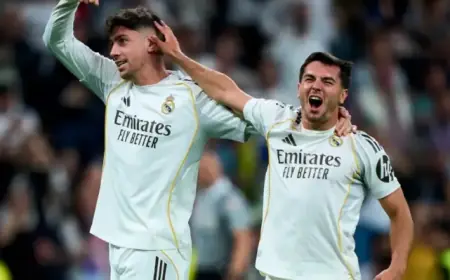
The match arc matters more than the moment-to-moment chronology. Arsenal opened the scoring through Eberechi Eze, and players celebrated briefly before declan rice moved to refocus the group with an animated team talk, tapping his temples and urging concentration. Within seconds of the restart he was dispossessed while attempting to carry the ball from a deep/right-back-adjacent position; that turnover led to an equaliser from the opposition striker. Instead of spiraling, Rice shifted to a simpler, combative game plan and helped dominate the middle of the pitch as Arsenal pulled away.
Viktor Gyökeres provided the decisive late response, scoring twice in the second half — one goal from distance and another after a clever run past a defender — while Eze added a second to seal a comprehensive victory. Observers noted that Gyökeres’ performance contrasted with an otherwise underwhelming season, but in this fixture he produced the kind of moments that swung the result decisively back Arsenal’s way.
- Scoreline drivers: Eberechi Eze (two), Viktor Gyökeres (two); opposition striker converted after Rice’s turnover.
- Immediate effect: brief momentum swing following the equaliser; regained control across the second half.
- Squad reaction: captain redirected focus, then concentrated on defensive duties and midfield battles.
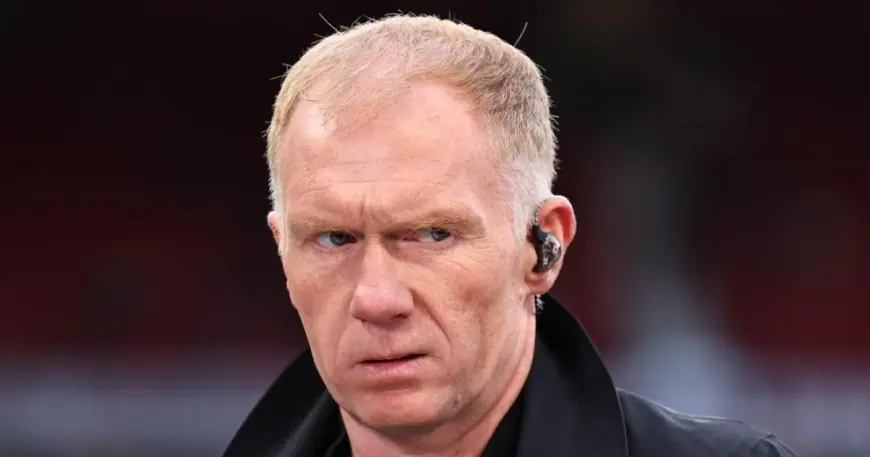
Paul Scholes and Gary Neville were among former players who criticised aspects of Rice’s approach: Scholes described a tendency toward visible emotion that can coincide with mistakes, while Neville highlighted the positional gamble that led to the turnover. Those comments sharpen the public debate about leadership style versus calm authority in big matches.
The real question now is how Arsenal translate this into durable improvements: do leaders temper visible intensity with situational restraint, or is that energy an overall net positive that will continue to carry the team?
Mini timeline (sequence context):
- First half: Eze scores and Arsenal briefly celebrate; Rice urges focus.
- Seconds after restart: Rice loses possession while carrying the ball; opposition equalises.
- Second half: Gyökeres scores twice and Eze adds another to secure a convincing victory.
What’s easy to miss is the comparison drawn to a famous past midfield error in a title race — the column that followed used that precedent to underline how different players respond under pressure, and why Rice’s composed recovery is notable.
Short-term signals to watch that would confirm a shift: fewer high-risk carries from deep positions by senior midfielders, more vocal calmness from on-field leaders, and continued goal contributions from the forward line to reduce pressure on defensive moments. Recent commentary may feel sharp, but the match also showed Arsenal’s ability to absorb a shock and finish strongly — an encouraging sign even as questions about in-game tempering of leadership persist.