























Desperate Testimonies from Cuba Detail Hunger, Blackouts and Pleas to End U.S. Pressure

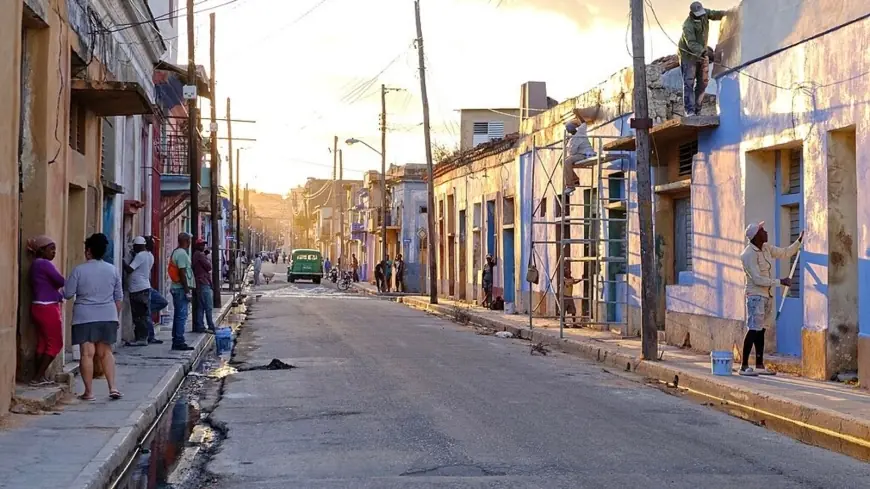
Firsthand accounts and social videos paint a stark picture of life in cuba: long blackouts, food scarcity and soaring prices as residents blame both tightened U. S. measures and domestic failings. The testimonies matter now because they arrive amid a flurry of U. S. moves — including a January 29 executive order and legal actions in U. S. courts — that witnesses link to a rapid deterioration in basic services.
Matanzas worker María describes near-total shortages
María, a 32-year-old worker and single mother in Matanzas who uses a pseudonym to protect her identity, described daily survival as a struggle. She works two jobs, as an editor and a librarian, yet those wages barely cover the cost of a carton of eggs. Electrical outages, she said, last between 20 and 30 hours with power available for only two hours or less; running water can be unavailable for days. Cooking gas has vanished, forcing many households to rely on charcoal or broken furniture for firewood, and a black market for imported medicines sells drugs at prices most cannot afford.
White House action and U. S. legal pressure intensify shortages
The accounts coincide with U. S. policy changes. A January 29 executive order declared the island a "national security threat" and threatened tariffs on nations supplying it with oil; three weeks after that order, residents described a catastrophic decline in humanitarian conditions. U. S. officials have discussed allowing only "small quantities" of fuel to prevent a total infrastructure collapse, and the White House has demanded "very dramatic changes. " At the same time, the U. S. Supreme Court is considering cases that seek billions in compensation from Havana for property expropriated six decades ago, including claims involving corporations such as ExxonMobil. Residents linked these moves to tighter access to fuel and basic supplies.
Prices and purchasing power erode household budgets
Inflation and price spikes are widespread. The Cuban peso has been described as totally devalued, with one account equating 1 USD to 500 pesos. A tube of toothpaste was cited as reaching 600 Cuban pesos (CUP) and a package of salt up to 700 CUP. That is striking where average state salaries were described as hovering around 4, 000 to 5, 000 CUP per month, leaving workers and retirees struggling to cover essentials.
Public services: blackouts, garbage and selective fuel use
Complaints are widespread about garbage accumulation in the streets, medication shortages in hospitals, prolonged blackouts and fuel shortages that frequently paralyze public transport and services. One video statement criticized the apparent prioritization of fuel for PNR patrols while buses and garbage collection go without; the speaker asked how police operations continue to mount as other services stop, saying "they're treating us like the narcos in Mexico" and referencing the fall of 'El Mencho', the leader of the Jalisco New Generation cartel.
TikTok user @yissi_glez captures public despair and uncertainty
A tearful video posted on TikTok by the user @yissi_glez amplified those themes of fear and paralysis. The poster said she had never shared anything like it before and urged decision-makers to "make a decision about what you are going to do with Cuba, " calling the situation "inhuman" because of pervasive uncertainty. She explained that the worst aspect is not only scarcity but not knowing whether conditions will improve or whether governing figures will be removed; that lack of clarity, she said, prevents people from making life decisions or seeking alternatives.
Children, hunger and the limits of social safety nets
Hunger is a recurring concern in multiple accounts. Most families, observers reported, cannot afford three meals a day and subsist on low-quality food with almost no protein; often a child's only breakfast is an instant soft drink and bread is sometimes scarce. One speaker warned that malnutrition is a serious problem but the original account of its scope is unclear in the provided context. Parents described small comforts — toys, clothes, even cartoons for an infant — becoming unaffordable.
What makes this notable is the convergence of individual testimony, social-media outcry and formal U. S. policy moves: personal accounts of day-to-day survival have emerged at the same moment legal and diplomatic pressure on the island has increased, creating a feedback loop that residents say is deepening shortages.
A team of journalists described themselves as committed to reporting on Cuban current affairs and issues of global interest. One contributor who shared background for the testimonies said she is originally from Cuba, now lives in Spain, studied Social Communication at the University of Havana and later graduated in Audiovisual Communication from the University of Valencia; she identified herself as an editor in entertainment. The statements and images circulating online have generated numerous reactions of support and debate among users inside and outside the island, reflecting widespread fatigue after years of crisis and the search for immediate solutions amid unclear short-term prospects.