

























Trump Plans New Tariff Move; Economists Advise Caution

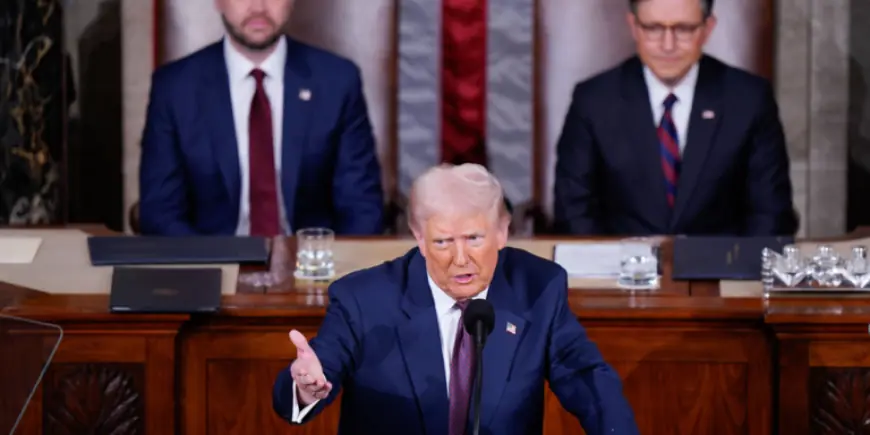
President Trump, known for his strong stance on tariffs, has recently announced a significant increase in tariffs on imported goods. This decision comes after a disappointing ruling from the Supreme Court, which declared his previous tariff policies unconstitutional.
Trump’s Tariff Strategy: New Developments
During his State of the Union address in February 2026, Trump expressed his frustrations with the Supreme Court’s ruling. Reacting swiftly, he imposed an initial 10% tariff worldwide, increasing it to 15% shortly after. He has vowed to take severe actions against foreign nations, claiming that the court has sanctioned a broader range of tariffs.
Economic Perspectives on Tariffs
Many economists are concerned about Trump’s mercantilist views. They argue that a negative trade balance is not necessarily a problem but reflects consumer behavior in the U.S. A consistent trade deficit has been recorded since 1976, driven by higher consumption than production.
- The U.S. runs a trade deficit when it buys more from other countries than it sells to them.
- Economists argue that this deficit is manageable and not a result of foreign manipulation.
- The U.S. has been able to finance its deficits, making them less concerning to the economy.
Despite the often critical view of tariffs, Trump and some business leaders still see them as a necessary tool. They believe tariffs can exert pressure on other nations to align with U.S. interests. However, many economic experts argue this view is misguided and can lead to unintended consequences.
The Consequences of Tariff Policies
Historically, tariffs have been criticized for creating economic tension rather than fostering productive international relationships. The trade war initiated by increased tariffs under Trump’s administration has raised concerns about long-term economic stability.
As discussions continue around Trump’s tariff plans, the broader economic implications remain a point of contention. The efficacy of using tariffs as leverage in international trade needs careful scrutiny to understand the potential outcomes.