




















Kevin Porter Jr and Milwaukee’s young guard trio are reshaping the offense — can they fit around Giannis?

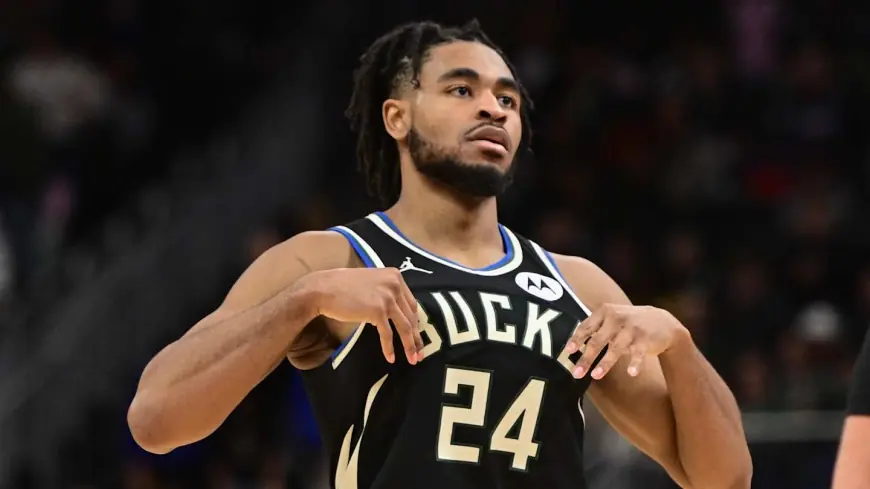
Who feels the impact first? The Bucks’ backcourt — and by extension the team’s immediate offensive identity — has shifted around Kevin Porter Jr, Ryan Rollins and Cam Thomas. That trio’s scoring burst and matchup hunting have already swung outcomes: they combined for 79 points on 31-of-47 shooting (66 percent) in a 139-118 win in New Orleans, and they were the top scorers in a 122-94 loss to Toronto. With the Bucks at 24-31, the group’s maturation matters for the remainder of the season.
Kevin Porter Jr’s role and who this changes for the roster
Here’s the part that matters: Kevin Porter Jr is the most advanced playmaker in the group, averaging 7. 7 assists across 30 appearances, and that ability to probe and create alters how minutes and roles shake out. Coaching staff notes that neither Porter nor Rollins is a traditional point guard, but Porter is closer to that prototype. His ballhandling and midrange probing give the Bucks a way to create offense without requiring a classic distributor at the position.
Cam Thomas’s arrival has already reorganized the rotation. Thomas has jumped into a reserve role and, in his first five appearances with the team, averaged 18. 4 points while shooting 53. 1 percent from the floor, and has logged about 20 minutes per game over a recent five-game stretch. That spike in offense has coincided with a steep drop in Gary Harris’s minutes (from earlier marks near 17. 1 and 15. 1 minutes down to about nine minutes). Thomas is still on a minutes restriction after a hamstring issue earlier in the season, and the team is managing his load while his role grows.
- Three quick takeaways: Porter’s playmaking reconfigures who initiates; Thomas’s scoring has accelerated a rotation change; Rollins remains the youngest and most inconsistent piece; the trio’s hunting of mismatches is their clearest path to success.
It’s easy to overlook, but the bigger signal here is how usage and matchup hunting determine outcomes: the group thrived against a porous Pelicans defense, then struggled to find those same openings against a top-five defensive unit in Toronto. Against physical defenses the Bucks’ movement and ball-sharing dipped, and that exposed growth areas for younger players.
Trio performances, lineup context and limited-sample returns
The small-ball experiment that featured Kevin Porter Jr alongside smaller scorers and Giannis produced some extraordinary numbers in limited minutes last year. One variant of those guard-heavy lineups ranked in the top tier of league lineup metrics when given minimum minutes thresholds—showing elite offensive and net ratings in constrained samples. Cleaning The Glass-style filters and other lineup metrics registered extremely high offensive ratings and net ratings for certain guard-and-Giannis groupings in the minutes they played, and another lineup measure placed one such group among the league’s top-ranked units across qualifying samples.
Still, availability and health have been limiting factors. Porter sprained his ankle on opening night, and that lineup combination has seen just 10 additional minutes across two games since. The trio approach that looked like a late-season strength last year was interrupted by injuries and roster turnover, and what worked in small samples still needs sustained minutes to be validated.
If you’re wondering why this keeps coming up: matching those high-performing, small-ball looks requires consistent health and the ability to find defensively favorable matchups. The trio’s best formula so far is hunting mismatches and letting aggressive scorers go to work; against physical, disciplined defenses that plan countermeasures, the results have been uneven.
Key indicators to watch for validation: steady assist numbers from Porter, continued efficient scoring from Thomas as his minutes increase, fewer forced one-on-one looks from Rollins, and more consistent ball movement in games against top defensive teams. For the Bucks to improve across the remaining schedule, they will need offensive production from all three while also showing measurable growth in decision-making and matchup navigation.
Writer’s aside: What’s easy to miss is how much small-sample lineup success depends on context; those dazzling offensive ratings were impressive, but they arrived in limited windows and with different personnel stability than what the current stretch requires.