









Jonte Richardson: Bafta outburst over N-word renews debate on Tourette syndrome, broadcast edits and winner speeches

jonte richardson appears in this headline, but the available coverage centers on the fallout from a Bafta ceremony in which John Davidson made involuntary outbursts that included the N-word while Delroy Lindo and Michael B Jordan were presenting. The episode has prompted strong reactions from actors and commentators, reflections from people with Tourette syndrome, and scrutiny of the broadcaster’s editing decisions.
Jonte Richardson — unclear in the provided context
The name Jonte Richardson appears as a headline element here; unclear in the provided context is whether that name relates to the events summarised below.
What happened on the Bafta stage
At the awards ceremony, John Davidson made several vocal outbursts. One of those outbursts included the N-word while Delroy Lindo and Michael B Jordan were presenting a prize on stage. The film inspired by Davidson’s experience, I Swear, won multiple awards during the same ceremony.
High-profile reactions and public anger
Several high-profile figures reacted strongly. Jamie Foxx called the use of the word unacceptable and suggested the utterance was intentional in his response. Wendell Pierce criticised the initial response to the incident, saying the first priority should have been apologies to Delroy Lindo and Michael B Jordan and that the insult to them takes precedence regardless of motive. Jemele Hill framed the episode as part of a broader pattern of disrespect and dehumanisation of Black people.
Voices with Tourette syndrome: David Whitlam’s perspective
David Whitlam, 66, who has Tourette syndrome with coprolalia, emphasised that Davidson’s outbursts were not deliberate. Whitlam argued that calling such an utterance a deliberate slur is misleading, framing the term "involuntary slur" as oxymoronic and pointing to the distinction between intentional abuse and vocal tics linked to the condition.
Whitlam recounted experiencing the same word as a tic while visiting Texas in 1982. He described long-standing coping mechanisms: avoiding highly neuro-stimulating situations where possible, choosing single seats without a window when travelling by train, and keeping the mind occupied through music — attending rock gigs, singing in a chamber choir and playing in a rock band. He said he avoids Tourette’s clubs to prevent picking up new sounds, and that personal routines and self-reminders help create a virtuous circle of quiet; yet a single triggered word can become repetitive and hard to suppress.
Whitlam also noted that his late wife recognised his condition, but that the couple had not pursued a formal diagnosis in ca; the final detail is unclear in the provided context.
Winner perspectives: Lauren Evans on awareness and a ceremony overshadowed
Carmarthenshire-born Lauren Evans, who won a Bafta for best casting for I Swear, said she was in complete shock at the win and that the evening was overshadowed by discussion of the slur. Evans described the film as telling the real-life story of John Davidson, who has Tourette syndrome, and said casting the project required looking beyond acting skills to commitment and tenacity.
Evans said the prize was unexpected—she described being down to one shoe and chewing gum during the ceremony—and that the award was hard-fought against casting teams behind other high-profile films. The film’s lead, Robert Aramayo, won the Best Actor prize and congratulated her.
Evans framed the film’s impact as prompting discussion and raising awareness, noting the importance of telling Davidson’s story to encourage understanding and tolerance.
Broadcast edits, the cut of a "Free Palestine" dedication, and the wider editorial response
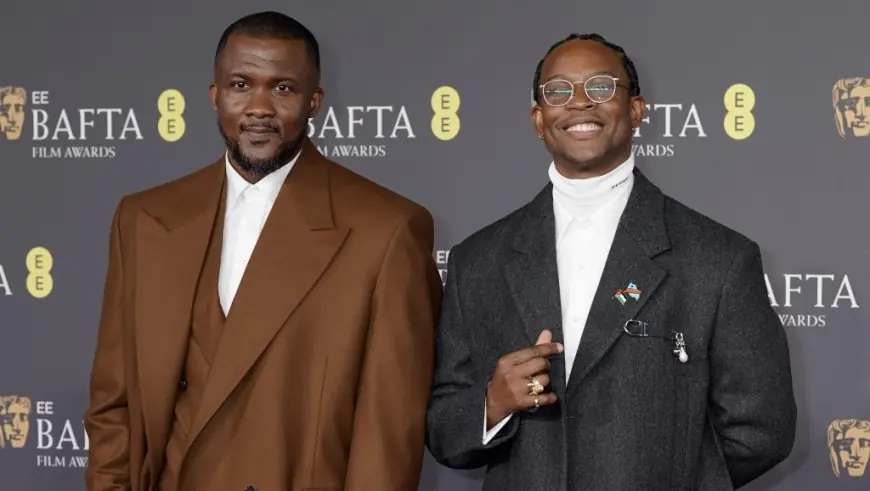
The broadcaster apologised for not editing the incident from the initial broadcast, and a senior content executive told staff that a second racial slur had been edited from coverage. Separately, filmmakers Wale Davies and Akinola Davies Jr. won the Bafta for Outstanding British Debut; Akinola Davies Jr. ’s acceptance remarks had included a closing dedication that ended with the phrase "free Palestine, " and that portion was removed from the broadcast. The edit replaced that segment with a thank-you to family and collaborators.
The broadcaster said the live event lasted three hours and had to be reduced to a two-hour on-air slot, and that similar edits affected multiple speeches to ensure the programme was delivered to time. The broadcaster also made preparations for politically charged speeches in advance of the ceremony. The broadcaster indicated that full winners’ remarks would be made available the awards organisation’s official channel.
What’s next: scrutiny and conversation
The incident has catalysed competing conversations: calls for apologies and redress for the offence caused to presenters, arguments that involuntary tics should be understood and not conflated with deliberate racism, and scrutiny of how live awards broadcasts are edited. The film I Swear and its creative team have been central to that conversation, and the debate over broadcast editing choices continues alongside calls for more education and understanding about Tourette syndrome.
The name jonte richardson appears in this piece’s headline but, as noted above, is not referenced in the available coverage summarised here.