

























Travel Ban Massachusetts: Southeastern counties, schools and power crews feel the immediate impact of a historic bomb cyclone

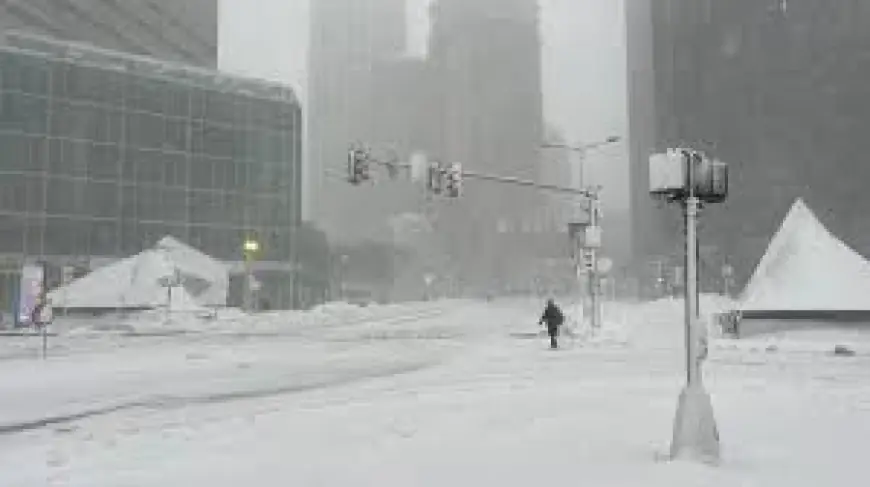
The Travel Ban Massachusetts ordered for four counties is the clearest sign of how dire conditions have become after a bomb cyclone hammered southern New England, dumping more than two feet of snow in places and knocking out power for a quarter-million residents. Here’s the part that matters: communities on Cape Cod, the South Coast and southeastern counties are first in line for disruptions to travel, schools and multi-day power restoration.
Travel Ban Massachusetts — who is affected and why access matters now
The ban covers Barnstable, Bristol, Dukes and Plymouth counties and restricts non-essential vehicle travel across a large section of Southeastern Massachusetts because roads are dangerous. Officials warned violators could face a $500 fine. The MBTA will continue to operate Tuesday with reduced service, while dozens of school districts will be closed Tuesday for a second straight day. If you’re wondering why this keeps coming up: crews cannot safely reach many damage sites until winds subside and roads are cleared.
Storm impacts on homes, power and local operations
The storm produced more than 269, 534 separate power outages in Massachusetts by late Monday night, leaving more than a quarter-million residents without electricity. Officials cautioned that restoration could be a multiday effort because downed power lines, felled trees and abandoned or stuck cars are complicating access for utility crews. The main barrier to repairs is access: winds need to abate in some places so bucket-truck crews can work safely, and roads must be passable to reach problem areas.
Scituate residents were told to brace for multiple days without power, and Town Administrator James Boudreau described local conditions as chaotic. State Police logged responses to more than 400 disabled vehicles on state roadways through Monday afternoon, underscoring how paralyzed road travel has become; hundreds of local flights were also grounded.
Local snowfall and wind records — the scope of the hit
Snow totals were extreme in several towns: Whitman reached 33. 7 inches in a 24-hour period, setting a new 24-hour snowfall record and surpassing Natick’s previous mark of 29 inches from the April Fools’ Day storm in 1997. Dighton, New Bedford, Swansea and Taunton each reported more than two feet of snow. Logan Airport in Boston recorded 16. 9 inches, and some city neighborhoods saw higher totals.
The storm lashed coastal areas with high winds; multiple towns on Cape Cod and the Islands recorded gusts topping 70 mph. Nantucket experienced a 78-mph gust shortly after 10: 30 a. m., a force described as equivalent to a Category 1 hurricane gust. The snow fell heavily for hours while strong winds whipped the region, producing blinding conditions and even thundersnow in spots on Cape Cod and the South Coast.
Why this was classified as a bomb cyclone and a quick historical frame
The nor'easter accelerated into a bomb cyclone after its central pressure dropped by 24 millibars or more within 24 hours, a process sometimes called bombogenesis. It was the first blizzard to hit New England since 2022 and broke snowfall records in Massachusetts; the storm also set new benchmarks in Rhode Island, surpassing records tied to the Blizzard of '78. By 8 p. m., T. F. Green Airport in Rhode Island had reached 37. 9 inches.
On-the-ground response, fines and an unfinished note about additional assets
State officials asked for public patience as restoration work proceeds; crews must wait for safer conditions to begin many repairs. The travel ban was put in place because of dangerous road conditions and widespread hazards such as downed lines and felled trees. More than 400 disabled vehicles and numerous abandoned cars have complicated the response. Those who ignore the ban risk a $500 penalty. The National Guard — unclear in the provided context.
- Key immediate indicators: power outages (more than 269, 534), county-level travel ban (Barnstable, Bristol, Dukes, Plymouth), school closures for a second consecutive day, MBTA operating with reduced service.
- Notable local totals: Whitman 33. 7" (24-hour), Natick prior record 29" in 1997, Logan Airport 16. 9", T. F. Green 37. 9" by 8 p. m., Nantucket 78-mph gust.
What’s easy to miss is how tied the next steps are to the weather itself: as long as winds remain high and roads are blocked, repair crews will be limited and communities will remain isolated for days.