
























Travel Ban Massachusetts: Counties Closed After Monster Storm Dumps More Than Two Feet of Snow

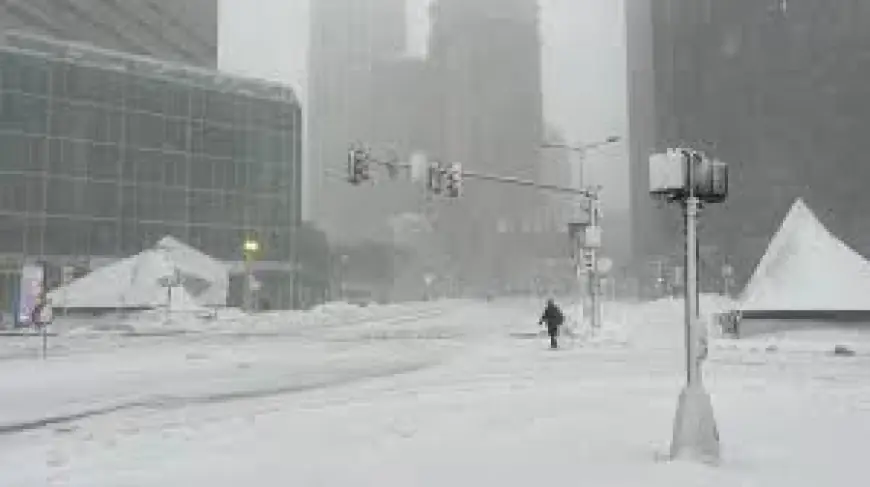
A historic bomb cyclone slammed southern New England, producing blinding snow, hurricane-strength gusts and more than two feet of accumulation in several towns — prompting a travel ban massachusetts that closed large sections of the southeastern part of the state and forced schools and transit to alter normal operations.
Storm overview: bomb cyclone, blizzard conditions and records
The first blizzard to strike New England since 2022 accelerated into a bomb cyclone late Sunday night and then hammered the region with heavy snow and brutal winds. The system produced thundersnow in parts of Cape Cod and the South Coast and broke snowfall records in Massachusetts and neighboring Rhode Island.
Notable snowfall totals and local records
- Whitman recorded 33. 7 inches, setting a record for 24-hour snowfall; the previous 24-hour record was 29 inches in Natick during the April Fools' Day storm in 1997.
- Logan Airport in Boston recorded 16. 9 inches.
- Dighton, New Bedford, Swansea, and Taunton each reported totals exceeding two feet.
- In Rhode Island, T. F. Green Airport reached 37. 9 inches by 8 p. m.
Travel Ban Massachusetts: where the ban applies and why
Governor Maura Healey issued a travel ban in the four hardest-hit counties: Barnstable, Bristol, Dukes, and Plymouth. The prohibition targeted non-essential vehicle travel in a huge section of Southeastern Massachusetts because of dangerous road conditions created by heavy snow, high winds and stranded vehicles.
Transit disruptions, school closures and public guidance
The MBTA was set to continue operating on Tuesday with reduced service. Dozens of school districts across the state canceled classes for a second straight day as communities began digging out. Officials asked for public patience while crews work to restore services and clear roads.
Power outages, restoration challenges and local impacts
More than a quarter-million residents lost power across the state; late Monday night there were still more than 269, 534 outages in Massachusetts. With winds slow to die down, restoration efforts could not immediately begin. Officials warned residents could be facing a multiday power restoration and emphasized that access for utility crews is the main obstacle: winds need to abate for bucket-truck operations and roads must be cleared for crews to reach downed lines.
In Scituate, residents were told to brace for multiple days without power. Town Administrator James Boudreau described conditions there as a mess. New Bedford officials highlighted that roughly thirty inches of snow created severe local impacts and operational strain.
Coastal fury, travel paralysis and enforcement
The storm lashed coastal areas, with some towns on Cape Cod and the Islands recording winds topping 70 miles per hour. Nantucket experienced a 78-mph wind gust shortly after 10: 30 a. m., the strength of a Category 1 hurricane. The system paralyzed road travel and grounded hundreds of local flights, and downed power lines, felled trees and abandoned or stuck cars complicated the state response. State Police logged responses to more than 400 disabled vehicles on roadways through Monday afternoon.
Officials warned that violations of the travel ban could bring a $500 fine for those who ignore restrictions.
Weather dynamics, emergency assets and an unclear reference
The nor'easter intensified through rapid deepening of central pressure — a process identified as bombogenesis, defined here as a central pressure drop of 24 millibars or greater within 24 hours. Heavy snow fell for hours while high winds whipped across the region, creating hazardous conditions that prompted the governor's ban on non-essential travel.
The National Guard is mentioned in the coverage; the context does not make clear what role, if any, the guard played or details of any deployment (unclear in the provided context).
Other site notes from the immediate coverage
One regional site displayed a message that it had been rebuilt to take advantage of the latest technology to make the experience faster and easier, and it indicated the user's browser was not supported and asked readers to download a different browser. Another site was listed as "Site Not Available" with no additional text present in the coverage.
Recent developments indicate the situation remains fluid: roads, power restoration and transportation schedules are subject to change as crews work to clear hazards and restore service. Details may evolve.