






















Miller joins Moore as filing crystallizes who in Maryland will feel the pinch — energy bills, budget fights and a crowded GOP field

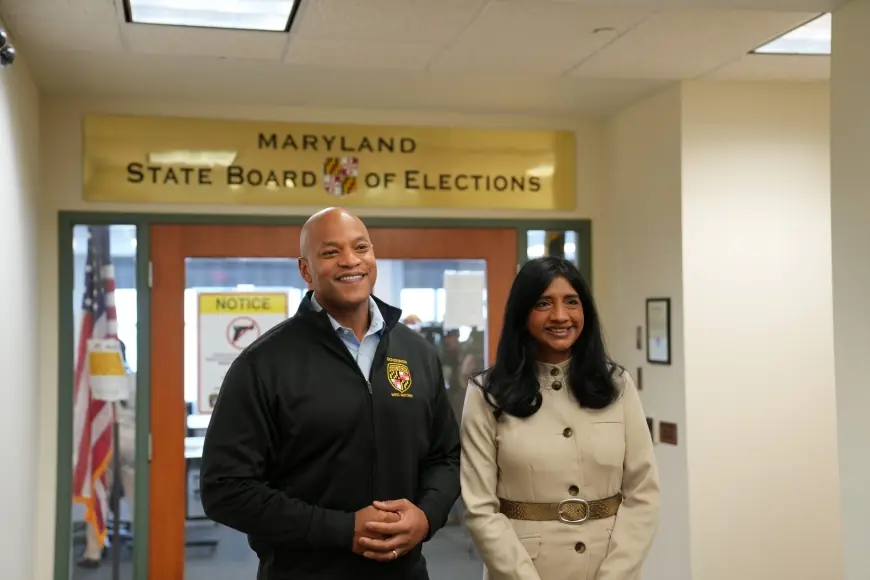
Who is likely to notice the earliest effects of this campaign? Families battling rising utility costs, retired state employees who lost prescription coverage, and public school systems juggling teacher vacancies will. Lt. Gov. Aruna miller stood with Gov. Wes Moore at the State Board of Elections headquarters in Annapolis to file for a second term, a move that focuses the race squarely on energy bills, budget priorities and how officials explain those choices.
Immediate impact on households and retirees as Miller headlines the ticket
Here’s the part that matters: the filing makes clear which issues will be first-responders in voters’ minds. A farmer questioned whether the administration has even considered some rural residents, and another resident said their electric bill jumped to about $1, 800 a month without any new equipment. Political analyst John Dedie flagged energy costs and the overall cost of living as likely drivers of the campaign, and noted retired state employees who lost prescription drug coverage under decisions by the governor are part of that frustrated cohort. The real question now is whether challengers can convert those complaints into a convincing alternative.
What’s easy to miss is how feet-on-the-ground grievances — utility bills, audits and money-management concerns in agencies — are being layered onto broader narratives about crime, schools and economic growth that the incumbents emphasize.
Filing details and timing: SBE stop, deadline and circumstances
Moore and Miller filed paperwork at the State Board of Elections (SBE) headquarters in Annapolis. The paperwork was submitted one day before the filing deadline; the deadline was 9 p. m. on Tuesday. The candidates made the trip to SBE headquarters on Monday afternoon despite a state of emergency being in place, and the stop included a brief session with reporters inside the elections office and cheering supporters outside. One account lists the filing date as Feb. 23 at the State Board of Elections headquarters; another notes they waited until the second-to-last day to file after launching the reelection bid last fall.
The field: who has entered and who remains focused elsewhere
On the Democratic side, Moore will face at least one primary opponent: Eric Felber, a physician from Montgomery County whose medical license is suspended. Perennial candidate Ralph Jaffe filed to run as a Democrat before he died this month. On the Republican side the field includes Dan Cox, who ran against Moore in 2022 and lost in a landslide; Ed Hale (listed in some coverage as Ed Hale Sr. ), who recently switched parties; Kurt Wedekind; John Myrick; Carl Brunner Jr.; L. D. Burkindine; Michael Oakes; Nancy Jane Taylor; and others. Andy Ellis of the Green Party has filed and is seeking that party’s nomination.
Senate Minority Leader Steve Hershey launched an exploratory committee as he mulled a gubernatorial bid but ended that effort and filed to run for Senate again. Separately, state Sen. Stephen Hershey explored a gubernatorial run and instead filed to run for reelection in his Eastern Shore district.
Approval, money and criticism shaping the argument lines
Moore has pointed to cuts in crime rates, attraction of businesses and lower teacher vacancy rates among accomplishments from his first three years, and he told reporters he’s excited about campaigning on that momentum. He first announced his decision to seek a second term on Sept. 9, 2025, and has said he rejects the idea of mounting a presidential campaign in 2028.
Public assessments show some shrink in enthusiasm: a Gonzalez Research and Media Services poll of 808 Marylanders in January gave Moore a 51. 7 percent job approval rating and a 41 percent disapproval rating, down from a 64 percent approval rating in September 2024. The campaign also reports more than $8 million in campaign funds. Opponents and critics point to budget deficits and spending priorities; a statement from a prominent Republican governors group condemned Moore’s record on taxes, deficits and crime, reflecting a central line of attack the GOP plans to use.
The filing day included questions from reporters about whether some Marylanders feel left behind by the administration; Moore took those questions while at the filing site and engaged with the point that some residents feel overlooked. Energy costs, audits and money-management concerns in agencies are already being mentioned as tangible examples voters cite when raising that concern.
• Filed: announcement to seek a second term on Sept. 9, 2025; paperwork filed at SBE and noted as Feb. 23 — one day before the deadline (deadline was 9 p. m. Tuesday).
• Primary and general schedule: the state’s primaries occur in June (primary date listed as June 23 in some coverage); the general election is scheduled for Nov. 3.
• Key voters to watch: households with large energy bills, retired state employees who lost prescription coverage, and school districts facing teacher vacancies.
• Opposition picture: a crowded Republican primary including Dan Cox and Ed Hale, a suspended-license physician on the Democratic primary ballot, and additional third-party entries.
The real test will be which messages stick: can challengers translate complaints about energy bills and agency audits into votes, and can Moore and miller make the case that the first three years’ accomplishments outweigh those concerns? If those dynamics shift, the campaign's center of gravity could change quickly.
It’s easy to overlook, but the intersection of the governor’s fiscal year 2027 budget proposal under consideration in the Maryland General Assembly and the campaign calendar means voters will be weighing concrete budget choices as they head to the June primaries and the Nov. 3 general election.