






















Travel Ban Massachusetts: travel ban massachusetts covers Martha’s Vineyard, Bristol, Plymouth and Barnstable counties as crews dig out

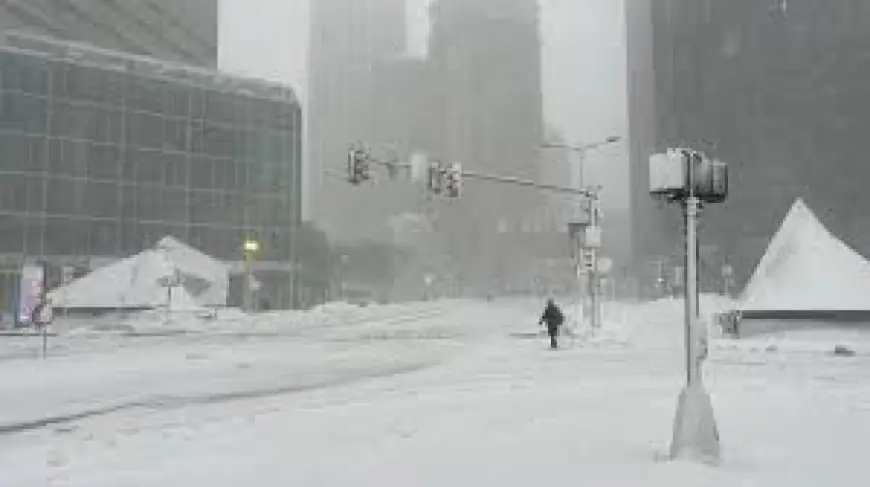
A powerful nor’easter left southern New England buried and prompted a travel ban in parts of the state, a move that is intended to speed recovery as crews dig out. The travel ban massachusetts declaration follows a storm that shut down streets, schools and businesses and dumped more than two — and even three — feet of snow in parts of the state and region.
Where the travel ban applies and who is affected
Governor Maura Healey banned all non-essential driving on Martha’s Vineyard and in Bristol, Plymouth, and Barnstable counties. Those counties include New Bedford and nearby Fall River, areas singled out in state action meant to keep roads clear for emergency and removal work.
Storm scope: historic blizzard and immediate impacts
The nor’easter barreled through New England on Monday, shutting down streets, schools and businesses. Officials described the event as an historic blizzard that buried southern New England and dumped more than two — and even three — feet of snow in parts of the state and region.
Boston mobilizes staff and equipment for snow removal
Nick Gove, Boston’s interim chief of streets, said on Monday the city had roughly 1, 000 workers and 900 pieces of equipment, including snow spreaders and plows, clearing streets for first responders and MBTA buses throughout the storm. Gove said the city had more front-end loaders and diggers actively removing snow piles before the storm ended than it did throughout last month’s storm.
Priorities on the ground: schools, bike lanes and snow farms
City workers’ priorities on Tuesday will turn to clearing parking lots and areas around Boston Public Schools buildings — which remain closed Tuesday — and removing snow banks in bike lanes, crosswalks and curbs, Gove said. The city now has 14 snow farms where workers are taking and melting snow, though snow removal efforts will likely stretch throughout the week with more snow expected to arrive before Friday.
Requests for help, local decisions and public reaction
Governor Healey said Monday she had made requests to surrounding states, including Vermont, New Hampshire and New York, for equipment so "we can dig out sooner and get back to business. " She added at a Monday news conference, "What communities are asking for is... help with clearing snow. "
Boston Mayor Michelle Wu asked for residents’ patience on Monday evening and noted the combination of heavy snow and "incredibly high wind speeds" that will make digging out take longer. Wu said, "Our No. 1 goal is to make sure that everybody is safe, and then we want to get the city back up and running, [and] get schools back open as quickly as possible. We’re a New England city. We know how to do this. "
Officials also acted to keep streets clear: Boston implemented a parking ban that began Sunday afternoon — hours before the first major snow began falling — and extended it until 6 p. m. on Tuesday to help speed snow-removal efforts. Gove acknowledged frustration after the last storm, saying, "We know people were very frustrated [after the last storm], it was obviously a historic event for us. We're trying to not store as much [snow] at the intersections, where that was really creating a problem for pedestrians and crosswalks. " He added, "Unfortunately... there are still going to continue to be some pretty significant snow banks on the side streets until we get a melt. "
New Bedford’s response and outstanding equipment requests
In New Bedford, Jonathan Darling, a spokesperson for Mayor Jon Mitchell, said the city was focused Monday on clearing primary roadways. Mitchell also asked the state’s National Guard and the Department of Transportation for help getting more equipment for snow removal. Darling said Monday that it appeared the city would get some dump—unclear in the provided context.