























Is Cancun Safe Right Now: Travelers Face Shelter Orders, Airport Delays and Health Warnings

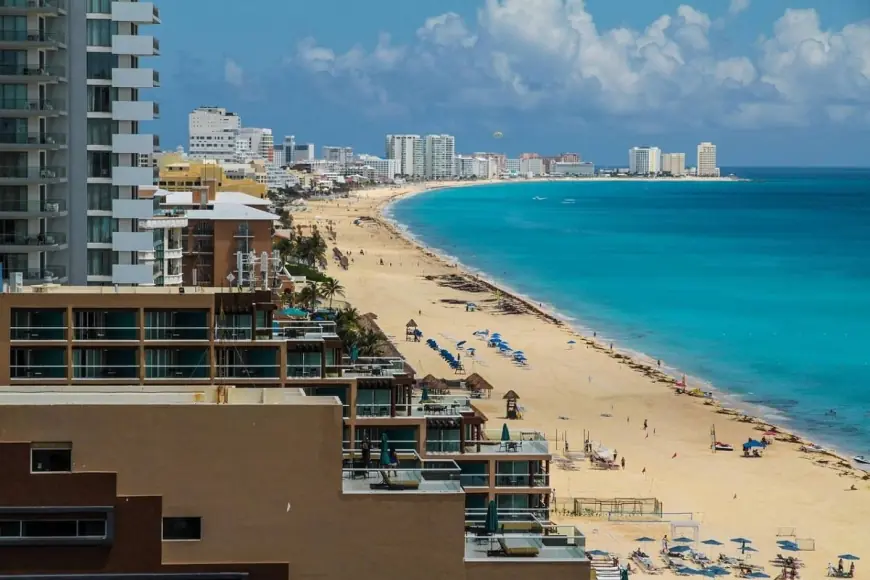
For Americans and international visitors planning Caribbean beach trips, the immediate impact is practical and personal: disrupted travel plans, shelter-in-place instructions and public-health advisories. The question "is cancun safe right now" matters for hundreds of travelers stranded at the airport, for families weighing Spring Break travel in a few weeks, and for pregnant people who need to factor virus risk into decisions.
Is Cancun Safe Right Now — who is affected and how
Here’s the part that matters: U. S. Embassy security guidance and airport disruptions are directly affecting tourists, U. S. government staff, airline crews and local residents in Quintana Roo and several other states. Travelers in Cancún, Cozumel, Playa del Carmen and Tulum were told to shelter in place; U. S. government staff in multiple Mexican cities were directed to work remotely or stay within their metro areas. The State Department’s Level 2 advisory for Quintana Roo — "Exercise Increased Caution" — remains in effect and cites risks from civil unrest.
What unfolded at airports and the operational ripple
Operations continued at Cancún International Airport on February 23, 2026, but wide delays and cancellations left hundreds stranded amid heightened security presence; airport officials confirmed the facility remained open with no closures reported. Disruptions have also affected Benito Juárez International Airport in Mexico City, creating strain across major hubs.
Flight statistics and airline impacts
- Across the two airports combined: 62 delays and 29 cancellations were recorded.
- Cancún: 40 delayed flights and 23 cancellations; Mexico City: 22 delays and 6 cancellations.
- Airline notes: Aeroméxico experienced 3 cancellations and 10 delays; American Airlines had 1 cancellation and 2 delays; Volaris logged 6 delays. Avianca and Delta also reported delays.
- Passengers reported long queues, extended waits and confusion as airlines reorganized schedules.
Contributing pressures cited for the disruption include surging passenger volumes during a busy travel period, operational strain on carriers, crew availability and weather-related factors; crew movements and logistics were further complicated by road blockages tied to security incidents across multiple states.
What’s easy to miss is that Cancún handled more than 29 million visitors last year, so even modest interruptions can cascade through rotation schedules and connections.
Security context: shelter orders, road blockages and the trigger
An updated U. S. Embassy alert on February 22 urged American citizens in Quintana Roo — including Cancún, Cozumel, Playa del Carmen and Tulum — to shelter in place until further notice, citing ongoing security operations, road blockages and heightened criminal activity. The shelter-in-place guidance covered a broad list of areas beyond Quintana Roo, including Jalisco (Puerto Vallarta, Chapala, Guadalajara), Baja California (Tijuana, Tecate, Ensenada), Nayarit (Nuevo Nayarit/Nuevo Vallarta), Sinaloa (Mazatlán) and parts of Colima, Guanajuato, Guerrero, Estado de México, Michoacán, Nuevo León, Oaxaca, Puebla, Querétaro, San Luis Potosí, Tamaulipas, Veracruz and Zacatecas.
The notice followed a high-profile military operation in Tapalpa, Jalisco, in which Nemesio Rubén Oseguera Cervantes, known as "El Mencho, " was killed. That event sparked reports of roadblocks, arson and flight disruptions attributed to suspected cartel members across multiple states. While no airports have been closed nationwide, road blockages led to suspension of most services at Puerto Vallarta and Guadalajara and affected airline operations elsewhere.
Health risks travelers should factor in
Beyond security and logistics, public-health concerns persist. Mosquito-borne illnesses—dengue, chikungunya and Zika—are active risks in Mexico and transmitted primarily by Aedes mosquitoes. Dengue is endemic: in 2025 Mexico reported about 141, 421 total cases and 85 deaths nationwide, with Quintana Roo, Veracruz and Sonora accounting for a notable share of cases last year.
- Early 2026 (through epidemiological week 4): 185 confirmed dengue cases and 1, 972 probable cases were reported in the first two weeks, an 83% decrease versus the same period in 2025, though experts warn seasonal increases are possible.
- Chikungunya: 2025 saw just four confirmed infections nationwide, primarily in Quintana Roo, Chiapas and Yucatán.
- Zika: activity has declined since the 2015–2016 epidemic; 2025 recorded four confirmed cases nationwide, down from 30 in 2024; Zika remains a particular concern for pregnant people.
Public-health authorities emphasize mosquito-bite prevention for travelers.
Practical steps, travelers’ rights and local rules
For travelers at the airport or en route: expect continued schedule adjustments as airlines work to stabilize services; rebooking or refunds are options under Mexican passenger-rights rules, and interacting directly with airline staff is advised. Ride-share services were suspended in some locations (for example, Puerto Vallarta), and authorities temporarily curtailed operations on toll roads in multiple states because of blockades.
- U. S. government staff in affected cities were instructed to shelter in place or remain within their metro areas; some staff were directed not to travel to specific destinations for a set period.
- Americans in affected areas were urged to minimize unnecessary movement, avoid areas around law enforcement activity and monitor official road-closure channels for updates.
- U. S. government employees face additional restrictions: no intercity travel after dark and limits to regulated taxi stands or approved app-based services.
Key takeaways:
- Travel disruptions on Feb. 23 left hundreds stranded at Cancún despite the airport remaining open.
- Security alerts issued Feb. 22 cover Quintana Roo and a long list of other states; shelter-in-place guidance is in effect for specified areas.
- Flight totals across two major airports: 62 delays and 29 cancellations; Cancún bore the brunt with 40 delays and 23 cancellations.
- Public-health risks from dengue, chikungunya and Zika persist; 2025 saw high dengue case counts nationally and low but present chikungunya and Zika numbers.
- Travelers should plan for schedule volatility, confirm rights on refunds/rebooking, and follow local safety and health guidance.
The real question now is how long amplified security operations and logistical ripple effects will reshape schedules and local movement; details may evolve and authorities continue to update guidance.
Timeline snapshot: Feb. 22 — U. S. Embassy updates shelter-in-place guidance for Quintana Roo and other areas; Feb. 23 — widespread delays and cancellations affect Cancún and Mexico City airports amid heightened security; 2015–2016 — Zika epidemic referenced as part of historical public-health context. This sequence shows both immediate operational disruption and an overlapping, ongoing public-health dimension.
Image note: schedule and health contexts are subject to change; travelers should check official communications and airline notices for the latest information.