















Mexico security fallout: World Cup hosting, travel and a nationwide troop surge after El Mencho's death

Why this matters now: the death of Nemesio Oseguera Cervantes, known as El Mencho, has already changed the security picture across mexico — triggering a mass military deployment, dozens of fatalities and major travel interruptions that intersect with plans for this summer's Fifa World Cup. Those changes are immediate and ripple from household safety to international events and flights.
Consequences are stacking up: nationwide deployments and a fragile security window for Mexico
The government's response has been large and rapid: an extra 2, 500 soldiers were sent to western regions on Monday, bringing the stated total to about 9, 500 troops deployed since Sunday. That surge follows a wave of unrest that has affected at least 20 states and spread beyond Jalisco into at least a dozen additional regions. The scale of the operation and the speed of unrest are shaping practical decisions — from clearing roadblocks to resuming commercial flights — and adding uncertainty to security planning tied to large public gatherings this summer.
What happened (concise event details)
El Mencho — Nemesio Ruben Oseguera Cervantes, leader of the Jalisco New Generation Cartel (CJNG) — was captured during an operation in Tapalpa, Jalisco. Forces tracked down a romantic partner he was meeting, which led to the capture attempt. He was seriously injured in a firefight between his bodyguards and the commandos and died while being transported to Mexico City. At least six of his security guards were killed in the operation and three members of the Mexican military were injured.
Casualties, attacks and local disruption
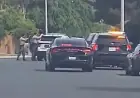
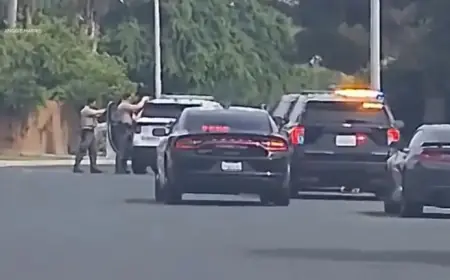
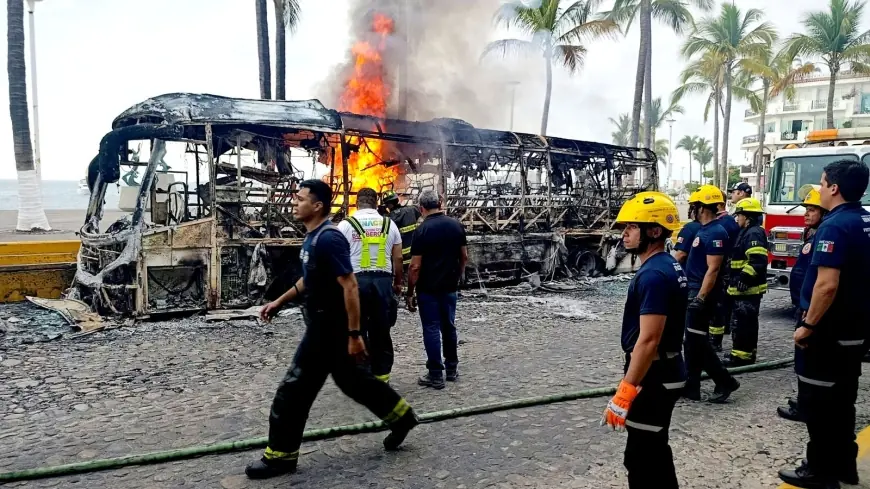
The unrest after his death has been violent and widespread. At least 25 members of the National Guard have been killed in Jalisco since the violence erupted; one report notes 25 National Guard officers killed inside 24 hours. The security secretary has said a prison guard, a member of the state prosecutor's office and 30 members of El Mencho's criminal organisation have been killed in the unrest since his death. Members of the cartel launched attacks in many towns and cities where the CJNG is active: roads were blocked with spikes and nails, buses and other vehicles were commandeered and torched in the middle of roads, and dozens of banks and local businesses were set alight or damaged. Authorities say many of the road blocks were cleared by Monday morning.
World Cup, flights and tourist areas under strain
Those disruptions have practical international implications. Guadalajara is scheduled to host four World Cup matches, Mexico City five, and Monterrey four; experts warn the eruption of cartel violence could complicate co-hosting plans. Travel has already been affected: flights to and from key Mexican airports were disrupted and some carriers have announced gradual resumptions to Guadalajara, Puerto Vallarta, Manzanillo and Tepic. One international carrier said it would operate flights from Frankfurt and Munich today. Advisories and operational responses include public warnings for residents in Jalisco to stay indoors, cancellations of some flights to Puerto Vallarta, an opened crisis hotline for foreign citizens, and calls for Americans to shelter in parts of the country including Cancun, Cozumel and Puerto Vallarta.
Here’s the part that matters for fans and travellers: large public events and tourism-dependent businesses may face short-term closures or heightened security measures until stability is demonstrably restored.
What the CJNG's reaction reveals and local dynamics
The CJNG is described as a powerful organisation with substantial resources and membership. Analysts note that when leaders are removed, cartels often produce swift, visible responses to avoid appearing weak; social media and coordinated actions can make those responses look national. The group is also linked to a history of mass violence and political killings, and some local communities maintain ties to cartel figures through financing of infrastructure and facilities — a factor that complicates enforcement and public-order solutions.
What's easy to miss is the combination of urban disruption and targeted strikes on security forces: attacks have targeted state institutions and public infrastructure while also creating broad civilian risk in tourist hubs and cities.
- Deployment snapshot: +2, 500 soldiers to western regions on Monday; ~9, 500 troops deployed since Sunday.
- Casualties snapshot: at least 25 National Guard deaths in Jalisco; multiple other deaths including a prison guard, a prosecutor's office member and 30 cartel members.
- Event locations: capture attempt in Tapalpa; transport to Mexico City; unrest across at least 20 states and a dozen additional regions.
- Travel impact: flights disrupted and gradual resumptions announced for Guadalajara, Puerto Vallarta, Manzanillo and Tepic; international carriers operating from European hubs noted.
Quick Q&A to clarify immediate concerns
Q: Are major matches at risk? A: Experts have warned the violence could compromise co-hosting plans, given attacks in cities that are scheduled World Cup venues.
Q: Are flights operating? A: Some airlines have announced gradual resumptions to several Mexican airports, while other international carriers altered operations and some services were canceled temporarily.
Q: Who was El Mencho? A: He was the leader of the Jalisco New Generation Cartel, a group linked to large-scale violence and significant economic reach.
The real question now is how long the current security surge and local disruptions will continue and whether the deployments and cleared roadblocks will translate into sustained calm. Recent updates indicate details may evolve as authorities manage both immediate threats and the wider fallout.