

























New York Blizzard Forces Citywide Travel Ban as Nor'easter Pounds Northeast

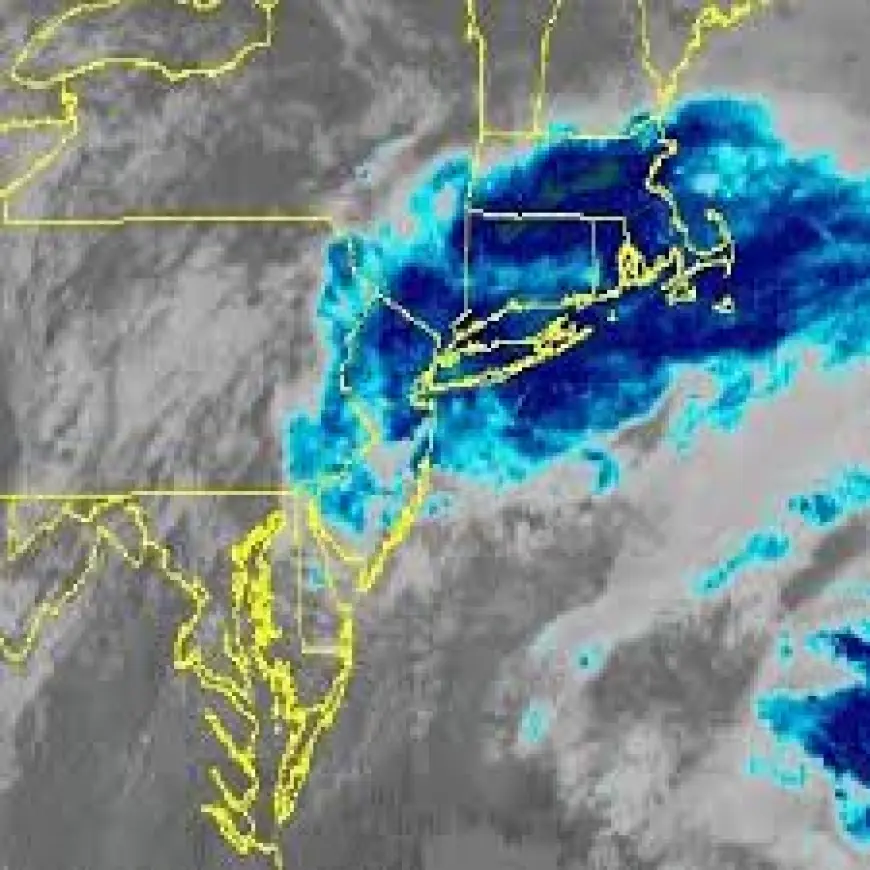
A powerful nor'easter has driven New York City to impose a full travel ban as the new york blizzard began battering the US north-east, bringing heavy snow, fierce winds and coastal flooding that officials warn will worsen into Monday. The ban and sweeping emergency measures have been ordered as utilities, airports and state authorities mobilize to respond to widespread outages and travel disruptions.
New York Blizzard: Citywide travel ban and closures
New York City has shut all streets, highways and bridges to non-emergency traffic from Sunday evening until noon local time on Monday, in a bid to limit movement while the storm peaks. Mayor Zohran Mamdani also ordered schools closed and said the most severe snowfall could reach up to 28 inches (70cm) overnight into Monday, with an earlier expectation of 18–24 inches across the city and lows near -6C (20F). All Broadway shows were cancelled for Sunday evening, and the New York Racing Association called off eight horse races scheduled for Sunday at Aqueduct Racetrack.
Power outages across New Jersey, Delaware, Maryland and Virginia
The storm has already left nearly 90, 000 properties without power in New Jersey alone, with tens of thousands more affected in Delaware, Maryland and Virginia as of 03: 00 local time (08: 00 GMT), tracked by PowerOutage. Coastal areas face the highest wind gusts, with officials warning of gusts up to 65–70mph (104–112km/h) and the attendant risk of downed tree limbs and additional outages. Governor Kathy Hochul declared a state of emergency for New York State and placed 100 members of the National Guard on ready alert; she warned people would be in the dark and said Long Island, New York City and the lower Hudson Valley were in the direct eye of the storm.
Flight cancellations hit JFK and LaGuardia
Air travel has been severely disrupted. Flight trackers recorded roughly 5, 500 US flight cancellations on Sunday and hundreds of additional delays, with thousands more cancellations by Monday. New York's John F. Kennedy and LaGuardia airports were among the worst affected, forcing airlines and passengers to contend with a sharp spike in cancellations and delays as the storm intensified.
Forecast and National Weather Service warnings
Forecasters say much of the US north-east and Canada's maritime provinces will be affected from Sunday evening into Monday, and that the system is expected to be the most powerful nor'easter in nearly a decade across large parts of the region. Some 59 million people were placed under weather warnings while states of emergency were declared broadly. The US National Weather Service has warned snowfall rates of an estimated 2–3 inches per hour and said total accumulations could reach 1–2ft (30–60cm) in places, producing what it called "nearly impossible" travel conditions that were "extremely treacherous. " NWS meteorologist Cody Snell said it has been several years since a storm of this magnitude struck such a populated area across so large a region.
Early accumulations and immediate impacts
Many communities were already seeing measurable snow as conditions deteriorated: Manorville, New York, and Howell, New Jersey, each recorded about 10 inches (25cm) of accumulation by midnight local time (05: 00 GMT on Monday). The sharp rise in snowfall and high winds has had immediate consequences: tens of thousands left without electricity, major event cancellations, and restrictions or travel bans issued by several states. The combination of heavy, fast-arriving snow and powerful coastal winds has made road, rail and air operations hazardous and has driven the aggressive emergency steps taken by city and state officials.
What makes this notable is the convergence of factors—extreme snowfall rates, sustained high winds and coastal flooding—across a densely populated corridor, forcing broad and rapid emergency responses from municipal and state leaders. The situation remains dynamic and will hinge on how quickly crews can clear roadways, restore power and stabilize conditions once the storm begins to abate.