





Baftas 2026: John Davidson apology after john davidson slur aired on delayed broadcast

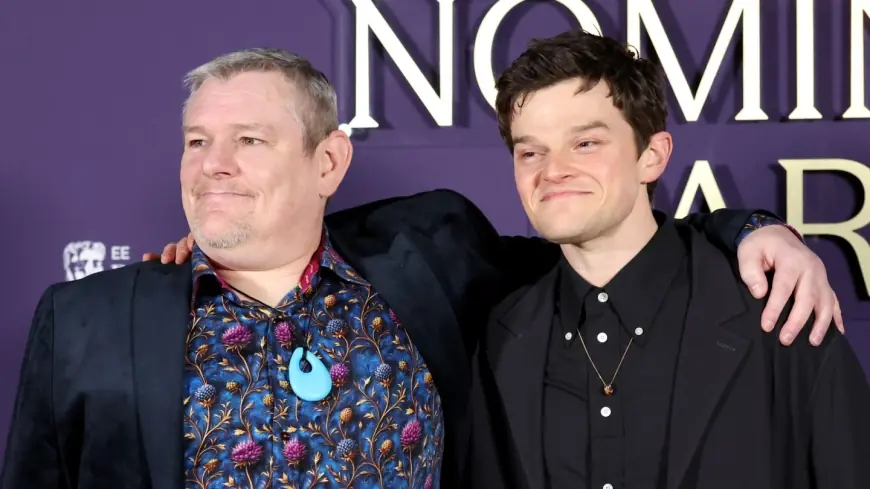
john davidson, the Tourette’s campaigner whose life inspired the film I Swear, shouted a racial slur during the Bafta Film Awards and the moment remained in the One broadcast shown on a two-hour delay. The broadcaster apologised and said it would remove the clip from iPlayer after it was still available on Monday morning.
What happened in the ceremony
John Davidson shouted loudly several times before and during the Bafta ceremony. He was heard cursing repeatedly across the first 20 minutes of the show, including exclaiming “Boring!” while guests were taken through housekeeping rules, saying “Bullshit!” when people were asked not to curse, and shouting “Shut the fuck up” while Bafta chair Sara Putt made her introductory remarks. Early in the ceremony, a loud tic in the form of a profoundly offensive term was heard by many people in the room.
John Davidson's tics heard
The moment that prompted the strongest reaction came when Davidson shouted the N-word as Sinners stars Michael B Jordan and Delroy Lindo were on stage presenting the first prize of Sunday’s ceremony. In another account, the same slur prompted gasps when Michael B. Jordan and Delroy Lindo presented the award for best visual effects to Avatar: Fire and Ash. Guests had been notified before the show that they might occasionally hear Davidson’s tics; a floor manager welcomed him, saying: “John has Tourette’s syndrome, so please be aware you might hear some involuntary noises or movements during the ceremony. ”
Broadcaster and Bafta responses
A spokesperson said: “We apologise that this was not edited out prior to broadcast and it will now be removed from the version on iPlayer. ” In a separate statement the broadcaster said: “Some viewers may have heard strong and offensive language during the Bafta Film Awards. This arose from involuntary verbal tics associated with Tourette syndrome, and as explained during the ceremony it was not intentional. ” The corporation declined to comment further on why it wasn't initially edited or bleeped out. producers later said they “didn’t hear” the N-word slur as they were “working in a truck. ”
Reactions from presenters and stars
Delroy Lindo later told Vanity Fair that he and Jordan “did what we had to do” as they carried on presenting the category, but he added he wished “someone from Bafta spoke to us afterward”. Jamie Foxx commented on social media, saying “Unacceptable” and “Nah he meant that shit”. Journalist Jemele Hill wrote on social media: “Black people are just supposed to be ok with being disrespected and dehumanised so that other people don’t feel bad. ” Actor Wendell Pierce said: “It’s infuriating that the first reaction wasn’t complete and full throatted [sic] apologies to Delroy Lindo and Michael B Jordan. The insult to them takes priority. It doesn’t matter the reasoning for the racist slur. ”
Bafta duty of care and apology
Bafta said it acknowledged the “harm this has caused, address what happened and apologise to all”. The organisation said it took its duty of care to all guests seriously and had started “from a position of inclusion”, taking measures to inform attendees of Davidson’s presence and that they may hear strong language. Host Alan Cumming made announcements during the ceremony explaining the situation, saying: “Tourette syndrome is a disability, and the tics you’ve heard tonight are involuntary, which means the person who has Tourette syndrome has no control over their language. We apologise if you are offended tonight. ” Cumming also told viewers: “You may have noticed some strong language in the background. This can be part of how Tourette’s syndrome shows up for some people as the film explores that experience. ”
Davidson, the film and medical context
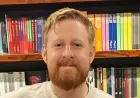
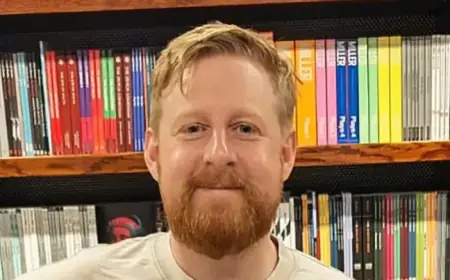
Davidson, a Tourette’s campaigner from Galashiels in Scotland who was made an MBE in 2019, is the inspiration behind the film I Swear and attended the Baftas as the film was up for awards. Robert Aramayo, who depicted Davidson in the film, won the Bafta for best actor over Leonardo DiCaprio, Timothée Chalamet, Ethan Hawke and Michael B. Jordan. Davidson said he was “deeply mortified if anyone considers my involuntary tics to be intentional or to carry any meaning”. He added: “I have spent my life trying to support and empower the Tourette’s community and to teach empathy, kindness and understanding from others and I will continue to do so. I chose to leave the auditorium early into the ceremony as I was aware of the distress my tics were causing. ” In one account he left the Royal Festival Hall around 25 minutes into the proceedings of his own accord and was not asked to leave by Bafta.
Tourette’s is characterised by sudden, involuntary and repetitive movements or sounds, known as tics. One charity figure given at the ceremony said between 10% and 30% of people with the condition have tics that produce socially unacceptable words such as swearing. Another account cited that some 10-20% of people with the condition are affected by loud, involuntary swearing, known as coprolalia.
Aftermath and criticism
Sinners’ production designer Hannah Beachler said on social media that she had also had a racial slur directed at her and criticised what she called the “throwaway” apology: “I know we must handle this with grace and continue to push through. But what made the situation worse was the throwaway apology of ‘if you were offended’ at the end of the show. ”
The shout was audible in the delayed broadcast although many viewers would have struggled to make out the word. The clip remained on iPlayer on Monday morning before being removed; the said it would now be removed. Questions have been raised about the decision to air on a two-hour delay and not to edit out Davidson’s cursing.
Sunday’s episode of the Bafta Film Awards, held at the Royal Festival Hall in London, has prompted debate about Tourette’s, inclusion and how organisers and broadcasters handle involuntary tics in a live ceremony.
Unclear in the provided context: the precise internal reasons why the slur was not edited out before the initial broadcast and the full details of any follow-up conversations between Bafta, the and the presenters beyond the statements quoted above.