

























Zia Yusuf’s Deportation Command: Who Would Be Targeted and How Britain Would Be Affected

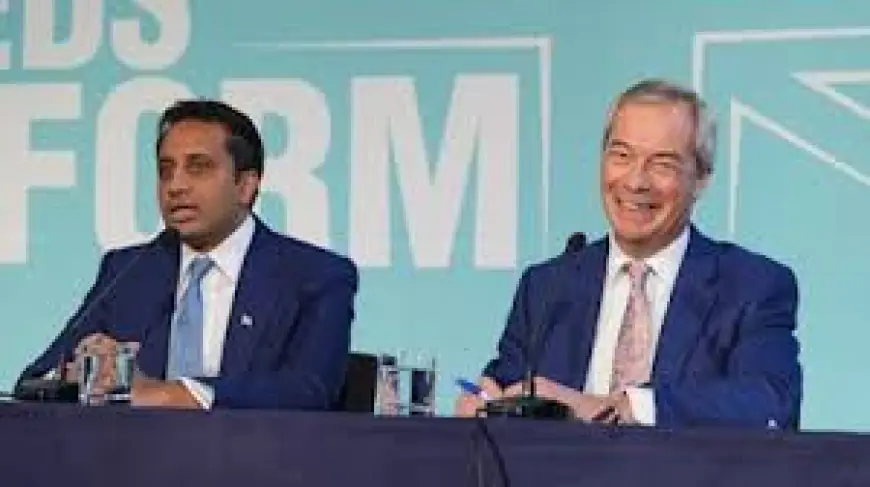
Why this matters now: Reform UK’s home affairs spokesman, zia yusuf, has presented deportation plans framed as an immediate fix for illegal migration that would place detained migrants, host communities and foreign governments at the centre of a fast-moving enforcement programme. The proposal promises daily returns flights, modular housing for detainees and a new command structure — changes that, if enacted, would reshape how removals are conducted and who faces enforcement first.
Immediate impact on migrants, local facilities and border operations
Here’s the part that matters: the people who would be most immediately affected are illegal migrants identified for removal, the police and officers assigned to an expanded deportation operation, and towns where modular accommodation and return flights would be concentrated. zia yusuf described the initiative as a "burning" priority and framed it as a rapid-response programme to detain and return people en masse, which implies a sudden increase in enforcement activity around ports, detention centres and transport hubs.
Zia Yusuf’s plan and who it specifically proposes to target
In his first speech as the party’s home affairs spokesman, Zia Yusuf said a UK Deportation Command would be created to deliver mass deportations under a name he used: Operation Restoring Justice. He said officers would "track down, detain and deport all illegal migrants", house them in modular accommodation, and run five returns flights a day. Yusuf framed recent arrivals as an "invasion", saying almost 200, 000 migrants have arrived by small boat in the last eight years and comparing that number to an historical wartime landing.
Logistics, costs and contingency measures described
- Daily operations: five chartered departures every single day were promised as the operational tempo.
- Contingency: an RAF aircraft would be held on standby to cover mechanical issues so flights "will not be delayed. "
- Budget model: Yusuf said the programme had been modelled at a total of £2bn a year, and he argued it would pay for itself against existing accommodation spending for illegal migrants.
Political responses and public framing
The plan drew rapid political pushback: one major party said 60, 000 deportations had already been completed in the previous 18 months without mass removals described as "fundamentally un-British. " Another party accused Yusuf of borrowing existing policy language. The proposal has also been criticised in public coverage as resembling an ICE-style enforcement agency and has been labelled "sadistic" by opponents who described the scale and methods as extreme. The list of Reform intentions additionally includes a prepared figure of up to 600, 000 potential deportations in their migration plans and at least one reported retreat from plans focused on child migrants.
Wider policy measures and international friction
Yusuf said the programme would be tied to cultural-protection measures: new rules to prevent churches being converted into mosques, and support for a ban on face coverings such as the burka. On international returns, he said Reform could deny visa rights to countries that routinely refuse to accept deported citizens, naming Pakistan as a country with the "highest overstay rates of any country" and saying it had routinely refused returns from the UK.
It remains unclear in the provided context how foreign governments would react to proposed visa denials, or how and where modular accommodation would be sited. The real question now is how operational details would meet legal and diplomatic constraints.
What’s easy to miss is how quickly enforcement rhetoric can pressure frontline officials to scale detention and removal capacity before practical arrangements — from flight logistics to host-country acceptance — are settled. That will be the real test of feasibility.
Quick reference timeline (from statements):
- First speech as home affairs spokesman: announced UK Deportation Command and Operation Restoring Justice.
- Claimed arrivals: almost 200, 000 by small boat in the last eight years.
- Recent deportations context: 60, 000 removals cited over 18 months by a political opponent.
Key takeaway for readers: the plan foregrounds accelerated enforcement and daily returns, but it also raises immediate logistical, diplomatic and legal questions about how such an operation would be executed and who would bear the immediate impact.