



















Jalisco operation that killed ‘El Mencho’ sparks nationwide blockades and airline disruptions

Mexican forces say they killed Rubén Nemesio Oseguera Cercantes, known as El Mencho, in a Sunday operation in the Jalisco forest that the government says included help from Washington. The death of the leader of the Cartel Jalisco Nueva Generación set off a wave of retaliatory violence and travel disruptions across the country.
Operativo en Jalisco ended with seven suspected traffickers dead
The federal government presented the operation as a targeted military action that resulted in seven narcotraficantes killed on the ground and three soldiers injured. Officials identified the slain cartel figure by his full name, Rubén Nemesio Oseguera Cercantes, and emphasized his status as the most wanted leader of the Cartel Jalisco Nueva Generación. The government also noted that the operation counted on assistance from Washington and recalled a U. S. reward of 15 million dollars for information that would allow his capture.
Reacción y bloqueos en 19 estados forced shelter-in-place orders
Following the announcement of El Mencho's death, authorities recorded at least 252 bloqueos across the country, the majority concentrated in Jalisco. By 20: 00 hours on Sunday, federal 90 percent of those blockades had been cleared and 23 remained active. The government reported that organized crime attacks after the operation caused the deaths of at least 25 elements of the Guardia Nacional and one member of the Fiscalía General de la República. Citizens were urged to remain in their homes while local and federal forces responded to “eventos focalizados y bloqueos aislados” in 19 states: Aguascalientes, Baja California, Chiapas, Colima, Estado de México, Guanajuato, Guerrero, Hidalgo, Michoacán, Nayarit, Nuevo León, Oaxaca, Puebla, Quintana Roo, Sinaloa, Tabasco, Tamaulipas, Veracruz and Zacatecas.
Impact on Puerto Vallarta and Guadalajara flight operations
Violence tied to the post-operation unrest led multiple airlines to cancel service to Puerto Vallarta. Carriers listing cancellations included Air Canada, Delta, United, Sun Country, Alaska Airlines and Southwest, along with the Canadian carrier WestJet. The cancellations affected U. S. departure and arrival points such as Houston, Minneapolis, Los Angeles, Denver, San Diego, Detroit, Atlanta, Santa Ana, San José, New York and Phoenix, and Canadian cities including Edmonton, Saskatoon, Toronto, Kelowna, Vancouver, Winnipeg and Regina. By contrast, American Airlines maintained flights as planned to Puerto Vallarta, and operations at Guadalajara remained largely active with flights arriving from Atlanta, Houston, Phoenix, Fort Worth, Las Vegas, San José, Denver, Anchorage and Los Angeles; Salt Lake City was listed as canceled from Guadalajara.
Federal response and international advisory actions
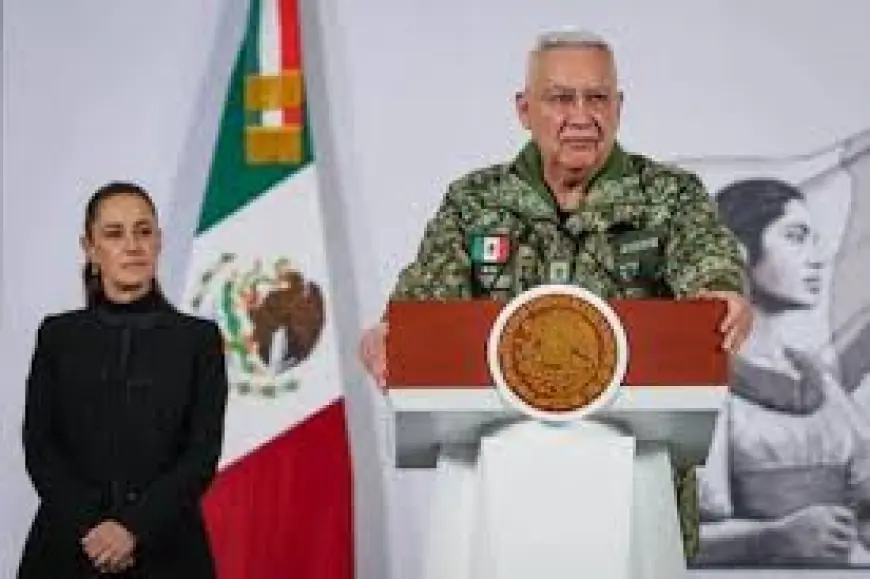
The national government held a morning briefing after the operation; President Claudia Sheinbaum highlighted a return to normalcy on Monday after the end of the narcobloqueos and affirmed that “all roads are free, traffic can move. ” Sheinbaum said airlines had suspended some flights as a preventive measure and expressed hope that services would be restored during the day or, at the latest, by the following day. The U. S. Department of State maintained a travel alert issued since Sunday, warning of persistent security operations, roadblocks and criminal activity and urging U. S. citizens to shelter in place in several Mexican cities.
Casualties among security forces and operational aftermath
Officials provided stark casualty figures as a direct consequence of post-strike reprisals: 25 members of the Guardia Nacional and one member of the Fiscalía General de la República died in coordinated attacks and blockades that followed the operation. Government statements also detailed that forces recovered control of the majority of affected roads by late Sunday evening. The military operation itself left three soldiers wounded in the engagement that neutralized seven suspects.
What makes this notable is the combination of a high-profile takedown—underscored by an existing U. S. reward of 15 million dollars—and the rapid, violent backlash that produced hundreds of blockades, deaths among security personnel and a cascading impact on civilian travel and airport operations. The incidents stretched responses across 19 states and prompted multinational airline suspensions while federal forces worked to reestablish normal movement and public safety.