









Pat Riley Honored with Lakers Statue, Urges Coaches to Return to Suits and Reflects on Heat 'Big Three' Era

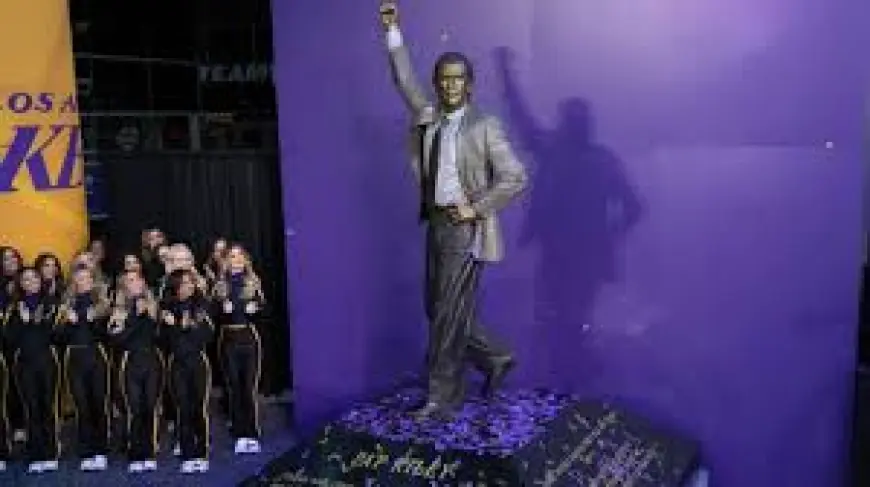
Pat Riley was unveiled in bronze at Crypto. com Arena on Sunday, and the Miami Heat president used the moment to press for a return to formal sideline attire while reflecting on the Heat’s Big Three era he once believed could endure for 8–10 years. The twin moments — a public tribute and a public stance on coaching style — highlight how Riley’s image and judgment continue to shape debates about leadership and legacy in the NBA.
Pat Riley: Statue Details and Lakers Legacy
The eight-foot, 510-pound bronze likeness unveiled at Crypto. com Arena depicts Riley holding up his right hand with a clenched fist, the signal for the play where Kareem Abdul-Jabbar would get the ball and go for his sky hook. The statue shows Riley wearing an Armani suit, underscoring the trademark head-coach attire that became part of his identity. Before his time in Miami, and before that New York, Riley served as head coach of the Los Angeles Lakers for nine years and led that team to four NBA championships during the 1980s.
Riley’s Push for Coaches to Return to Suits
After the statue unveiling, Riley urged a sartorial reset for NBA coaches. He said, "I wish they went back to coats and ties, " and added that an audience wants to see someone on the sidelines who looks like a leader, dresses like a leader, and acts like a leader. When asked whether he would revert to his Armani suits if he were coaching today or instead wear a quarter zip or polo, Riley replied that he never changes much and reiterated his wish for a return to coats and ties.
How Riley’s Look Shaped NBA Sidelines
Riley’s signature look extended beyond the Armani suit: a crocodile-leather belt, bespoke leather shoes and an iconic slicked-back hairstyle that lent him a Wall Street–style presence on the bench. Other coaches in the league adopted similar professional dress, and that standard persisted for decades as an unwritten rule. Change began after the 2000s, when coaches led by Stan Van Gundy started wearing turtleneck shirts under suits, and in 2010 the league issued a memo requiring coaches to wear at least a collared shirt under their suits. The Orlando Bubble tournament permitted a relaxed look of polos, slacks and sneakers, and after the pandemic that casual look became official, allowing coaches to wear team-branded leisure wear instead of suits.
Outside Voices and the Case for Suits
Calls to restore formal sideline dress have not been limited to Riley’s remarks. In December 2025, Gilbert Arenas called for a new dress code requiring coaches to wear suits, arguing that coaches lose respect when they appear casual and that teams have become soft because coaches no longer project authority on the sidelines. Arenas said he wanted to see coaches endure the discomfort of expensive blazers — a test of commitment he tied to earning players’ respect — and criticized quarter zips as too comfortable to command authority.
Riley on LeBron, the Heat Big Three and What Might Have Been
On the same day the Lakers honored him, Riley reflected on his time in Miami and on LeBron James’ departure from the Heat in 2014. Riley said that assembling the Big Three — Dwyane Wade, Chris Bosh and especially LeBron James — produced what he thought could be a dynasty: four trips to the NBA Finals in a row and two world championships. He said he saw something he thought could last 8–10 years but acknowledged the realities of the business of the league, noting that players have opportunities to go elsewhere and that LeBron went to Cleveland and won a title there. Riley said he wished LeBron nothing but the best but admitted he selfishly wished he had him for another 6–8 years, closing with the rhetorical question, "Will we?"
The context includes that LeBron James is playing in his NBA-record 23rd season, and that after leaving Miami he returned to Cleveland and by 2016 secured his third NBA championship, leading Cleveland to its only NBA title in team history and the city’s first professional title since 1964. The Big Three originally joined forces in the summer of 2010 and were initially met with rebuke because that core formed free agency rather than by trade or the draft.
Riley’s career résumé was noted in the reflection: he is a winner of nine NBA titles across stints as a player, assistant coach, head coach and executive. From 2010–14, the Heat’s Big Three era altered the league "one game, victory, NBA Finals appearance and alley-oop at a time, " producing a. 718 win percentage over that span that trailed only the San Antonio Spurs’. 740. That run made Miami the third different franchise to make four consecutive NBA Finals appearances, joining teams associated with Bill Russell and Larry Bird and Riley’s own "Showtime" Lakers. The 2011 finals will remain a distinct sore spot for the H— unclear in the provided context.
Reactions and Memory
Riley’s unveiling and comments provoked memories of his intensity and past conflicts. One recollection invoked Magic Johnson’s line, "If he went in on Kareem, what am I gonna get next?" — a remark tied to how furious Pat Riley was after the Memorial Day Massacre. More broadly, while formal dress does not guarantee victories or championships, the argument advanced by Riley and others is that a coach’s appearance contributes to perceived authority and can aid in commanding respect on the sideline.
Image and legacy intersect in the new bronze likeness in Los Angeles: a reminder of a coaching identity built on both results and the optics of leadership, and a prompt for renewed debate over whether the NBA sidelines should return to coats and ties.