

























New York Blizzard Forces Citywide Travel Ban and Leaves Tens of Thousands Without Power as Nor'easter Pummels the Northeast

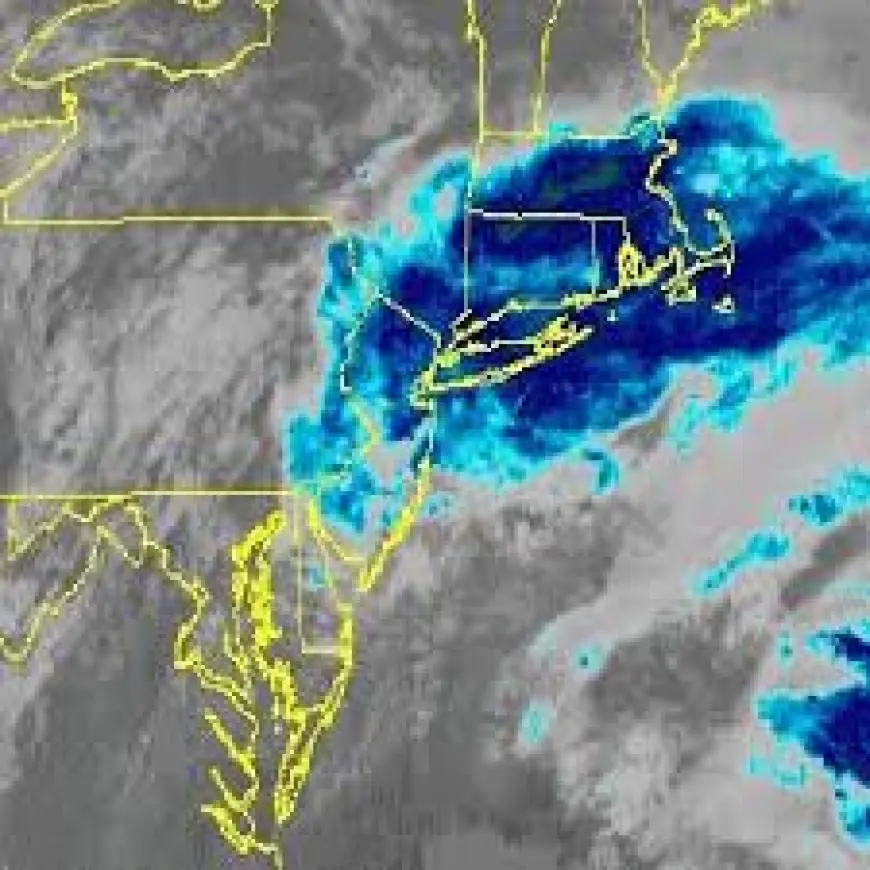
The New York Blizzard is hitting hardest where people live and move: city streets shut, transit and flights snarled, and wide swaths of the region losing power. With some 59 million people under weather warnings and states of emergency declared, the immediate toll is disruption—work halted, schools closed and emergency services braced for coastal flooding and high winds.
Immediate impacts on residents and services from the New York Blizzard
Here’s the part that matters: New Yorkers face a full travel ban from Sunday evening until noon local time on Monday, with all streets, highways and bridges shut to non-emergency traffic and schools closed. The restriction follows forecasts of 18–24 inches of snow across the city and temperatures plunging to about -6C (20F). Municipal orders prioritize emergency access and public safety over routine movement.
Storm scope and key weather details
Forecasters expect much of the US north-east and Canada's maritime provinces to be affected from Sunday evening into Monday as a powerful nor'easter. The system is described as the most powerful storm in nearly a decade for large portions of the region, combining heavy snow with fierce winds and coastal flooding. Measured snowfall already includes several inches across the region, with specific readings of 10 inches in Manorville, New York, and 10 inches in Howell, New Jersey as of midnight local time (05: 00 GMT on Monday).
The national weather service warned of very rapid accumulation rates of roughly 2–3 inches per hour and total snowfall that could reach 1–2 feet (30–60cm) in places, creating nearly impossible travel conditions. NWS meteorologist Cody Snell noted it has been several years since a storm of this magnitude affected such a large and densely populated area.
Transport shock: flights, Broadway, racetracks and city movement
Thousands of flights were canceled across the country, with around 5, 500 cancellations reported on Sunday and hundreds of delays; cancellations expanded into Monday, leaving major New York airports particularly hard hit. All Broadway shows were canceled on Sunday evening and the New York Racing Association called off eight horse races scheduled at Aqueduct Racetrack for Sunday. These event and transport stoppages will ripple through workers, tourists and venues that rely on steady schedules.
- 59 million people under weather warnings across the region
- Full NYC travel ban: Sunday evening until noon local time on Monday
- About 5, 500 U. S. flights canceled on Sunday; many more canceled on Monday
- Broadway shows canceled Sunday evening; eight horse races at Aqueduct called off
Power outages, emergency declarations and response posture
Power outages are widespread: nearly 90, 000 properties were without power in New Jersey alone, with tens of thousands more affected in Delaware, Maryland and Virginia as of 03: 00 local time (08: 00 GMT). Governors and other officials declared states of emergency across the region and several states imposed travel restrictions or bans. The New York governor declared a statewide emergency and placed 100 National Guard members on ready alert to respond to infrastructure and rescue needs.
Coastal areas face the highest wind gusts—expected up to 65–70 mph (104–112 km/h)—increasing the risk of downed trees and extended outages. Officials warned of dangerous conditions for anyone outside during the height of the storm.
Local consequences, human impact and near-term outlook
This is the first blizzard warning for New York City in nine years and marks the second major snow event of Mayor Zohran Mamdani's administration following a three-week cold snap in January that was linked to 19 deaths. Mayor Mamdani emphasized that the most severe snowfall—up to 28 inches in some forecasts—could occur overnight into Monday and that streets would be closed except for emergencies.
Residents already voiced immediate hardship: Brooklyn resident Brandon Smith said suspension of roads would complicate getting to work while employers continue to call staff in. The governor warned of extended outages and direct storm impacts on Long Island, New York City and the lower Hudson area.
What's easy to miss is that the combination of extreme snowfall rates, very low temperatures and coastal wind gusts makes both travel and power restoration more complicated than a routine storm.
- Key takeaway: travel bans and mass cancellations will concentrate disruptions in urban cores and at major airports.
- Key takeaway: rapid snowfall rates (2–3 in/hr) increase the chance of roads becoming impassable within hours.
- Key takeaway: nearly 90, 000 outages in one state signal a broader regional strain on crews and utilities.
- Key takeaway: the blizzard warning is the city's first in nine years and comes amid a recent deadly winter period, raising stakes for emergency planning.
The real question now is how quickly utility crews and emergency teams can stabilize outages and restore basic services once winds and snowfall ease. Preparations and restrictions remain in effect while the storm is active; details and impacts may evolve as conditions change.