






















Winter Olympics 2030 Risk Spotlight: Cross‑border speed skating and organising chaos test delivery for French Alps Games

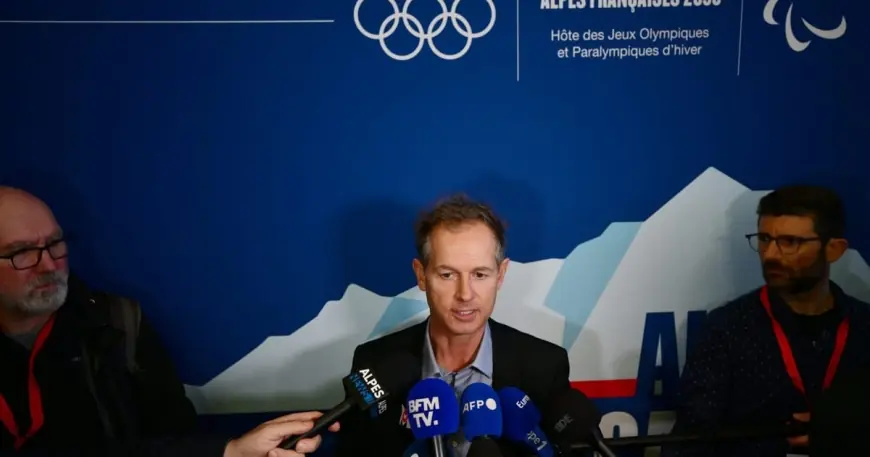
The decision to stage speed skating outside France, combined with high‑level resignations and political anger, has turned the winter olympics 2030 into a governance and logistics stress test. That combination matters now because it hits three pressure points at once: venue planning, sponsor confidence and the clock on confirming the remaining sports and schedules.
Winter Olympics 2030: why uncertainty is front‑loaded
Organisers have already committed to holding speed skating in pre‑existing rinks outside France—either Turin in northern Italy or Heerenveen in the Netherlands—which removes a major capital build but introduces cross‑border coordination. At the same time, roughly 15% of sports and venues remain undecided, figure skating lacks a confirmed location, and organisers say remaining details will be confirmed by June this year. Those open items concentrate risk into a narrow planning window while sponsors remain hesitant.
Event footprint and the unusual speed‑skating plan
The Games, branded French Alps 2030, are planned to be mostly spread across south‑east France with venue clusters in Nice, Briançon, Savoie and Haut‑Savoie. The explicit aim is to avoid building new venues that would not leave a lasting regional legacy, prompting organisers and the IOC to opt for holding speed skating in existing facilities in either Turin or Heerenveen rather than constructing a new arena inside France.
Organisers note that Milan‑Cortina 2026 held its speed skating events in the south of the Italian city, and they point to precedent for staging disciplines far from the host centre: Paris 2024 placed surfing on Tahiti, though Tahiti is an overseas French territory while the 2030 speed skating sites would be in an independent country. A full schedule, including times of medal events, is referenced in planning materials.
Specific venue allocations already announced include figure skating, curling and ice hockey being planned for Nice. The committee has said it will determine whether any new sports are added and whether any events are removed. The future of Nordic combined—noted as the only event at Milan‑Cortina 2026 without a women's competition—has not been confirmed. Ski mountaineering, which debuted in 2026, is not yet confirmed as a medal event for the French Alps.
Organising turmoil: resignations, political pressure and sponsor chill
Infighting inside the French Alps 2030 Organising Committee (Cojop) has been ongoing since the committee’s inception in 2024, with turf wars and strategy fights slowing progress toward the organisers' ambitious vision. The most recent setbacks include resignations of Cojop's operations and communications directors in December and January over strategic disagreements, and the committee president, Edgar Grospiron, has said the organisation's chief executive is in the process of departing as well.
At the national level, President Emmanuel Macron and his allies are said to be angry about what they view as haphazard, ineffective planning, prompting the French Sports Minister Marina Ferrari to call an emergency meeting to seek rapid clarification on governance and organisational stability. Former advisers and elected officials who have commented privately describe a sense that internal chaos has gone too far and that control must be reasserted; one former aide bluntly characterised the situation as organisers behaving like clowns and urged a return to control.
Grospiron has previously pledged to make these Games the cheapest in history, a pledge that depends on securing private partners. So far Cojop has not announced any sponsorships, and planners say private partners are wary because of bad publicity. The committee says all teams are fully mobilised and focused on their mission, referencing a February 4 statement from the organising body.
Logistics amplify the challenge: unlike a city Games, the French Alps 2030 will be spread across a 600‑kilometre region spanning multiple French jurisdictions, and local leaders are already contesting who hosts which events—an arrangement that organisers concede has become messy to the point that officials were forced to unclear in the provided context.
Mini timeline and what could reset momentum
- 1992: Michel Barnier was involved in organising the Albertville Winter Olympics (noted in discussions about potential replacements for senior roles).
- 2024: The French Alps organising committee (Cojop) was formed and has experienced ongoing infighting since inception.
- 2026: Milan‑Cortina staged speed skating in the south of the Italian city; ski mountaineering made its Olympic debut.
The real test now is whether decisions by June on the remaining sports and venues, clearer governance after recent departures, and a visible uptick in sponsorship commitments can together restore confidence and keep the project on schedule.
Here’s the part that matters for planners and partners: cross‑border venue choices reduce construction risk but increase political, logistical and commercial complexity, and the organising committee’s leadership instability is the immediate amplifier of that complexity.
What’s easy to miss is that staging a discipline in an independent neighbouring country—rather than in an overseas territory—changes legal and commercial dynamics in ways that will need active resolution before operational work ramps up.