

























Vehicle Excise Duty hikes to hit drivers and HGVs from April, MPs warn

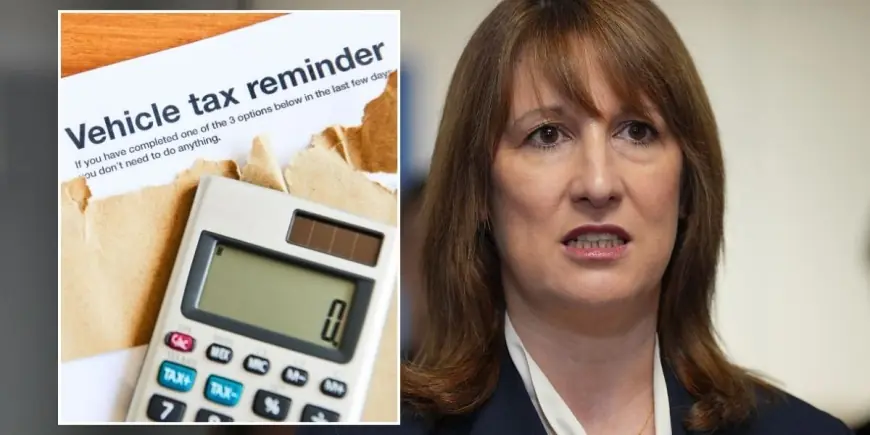
Vehicle Excise Duty will be raised across multiple vehicle types, and ministers and industry figures say the timing will squeeze drivers and hauliers in the months ahead. The changes—set out in the recent Autumn Budget—include uprating from April 1, 2026 and a separate set of first‑year rate rules beginning April 1, 2025.
Uprating from April 1, 2026 for cars, vans and motorcycles
The Chancellor unveiled new car tax rates in the Autumn Budget that will see Vehicle Excise Duty for cars, vans and motorcycles rise in line with the Retail Price Index from the new financial year on April 1, 2026. Examples published for higher bands show 151–170g/km rising from £1, 360 to £1, 410 and 171–190g/km rising from £2, 190 to £2, 270.
Vehicle Excise Duty and first‑year rates
Labour confirmed that first‑year VED rates will change from April 1, 2025: zero‑emission cars will pay a first‑year rate of £10 until 2029–2030, and vehicles emitting between 1 and 50g of CO2 per kilometre—including some hybrids—will pay £110 in their first year. Rates for higher emitters have already been shifted sharply: cars in the 76–90g/km bracket were highlighted at £270, while the most polluting vehicles were listed at £5, 490. With the planned inflation‑related rise to first‑year rates, a motorist buying the most polluting vehicle could face a bill of as much as £5, 690.
Diesel rules, mileage charging and OBR revenue forecast
The Autumn Budget also set out differential treatment for diesel cars based on the Real Driving Emissions 2 (RDE2) standard: diesel vehicles that do not meet RDE2 will face higher charges if they emit between 1 and 255g/km, with rates equalised only above 255g/km. Electric and hybrid drivers are due to start paying by mileage from 2028. The Office for Budget Responsibility forecasts that VED will raise £9. 1 billion in 2025/26, representing 0. 3% of national income.
HGV increases and MPs' concerns
Ministers have warned that plans to raise Vehicle Excise Duty for HGVs will hit hauliers hard. The planned increase, announced in the Autumn Budget, will see HGV VED uprated in line with RPI from 1 April. Currently, for a 44‑tonne truck the annual VED is set at £1, 643 for 2025/26, and this will be the first hike to that tax since it was frozen in 2014. The HGV Levy rates are also set to rise on 1 April, coinciding with the VED change.
Industry costs, fuel duty rises and parliamentary scrutiny
Shadow Exchequer Secretary James Wild flagged the timing and lack of backing for the logistics sector in a meeting scrutinising the Finance Bill. He said, "HGV vehicle excise duty is already complex, with more than 80 different rates, varying based on the characteristics of weight, emissions, class and configuration. " He added that operators face cost pressures from rising business rates, higher fuel duties and increased employment and transport taxes.
Wild pointed to RHA research showing fuel duty adds more than £2, 000 a year to the cost of operating a single HGV, which amounts to £435m across the sector. He said, "The logistics industry pays a huge amount of fuel duty - it is a vital sector, which adds £170bn in gross value added and employs around 8% of the workforce, so this is a sector that the government should be supporting. " MPs were also told the sector fears the measures could stall decarbonisation without fiscal support for transitional low‑carbon fuels such as hydrotreated vegetable oil, and noted there is "no sign of extending full expensing to higher bands, " which the industry thinks worth examining.
Liberal Democrat MP Joshua Reynolds agreed that the haulage s unclear in the provided context
Separately noted: Verifying Device
A separate item titled "Verifying Device" appears in the provided material; unclear in the provided context what the piece contains.
Next confirmed milestones: first‑year VED changes take effect from April 1, 2025; broad uprating in line with RPI takes effect from April 1, 2026; electric and hybrid mileage charges begin in 2028; and staged fuel duty rises start on September 1 this year, with further increases on December 1 and March 1, 2027, and a return to RPI uprating from April 2027.