

























New York Blizzard Prompts Citywide Travel Ban as Historic Nor'easter Slams Northeast

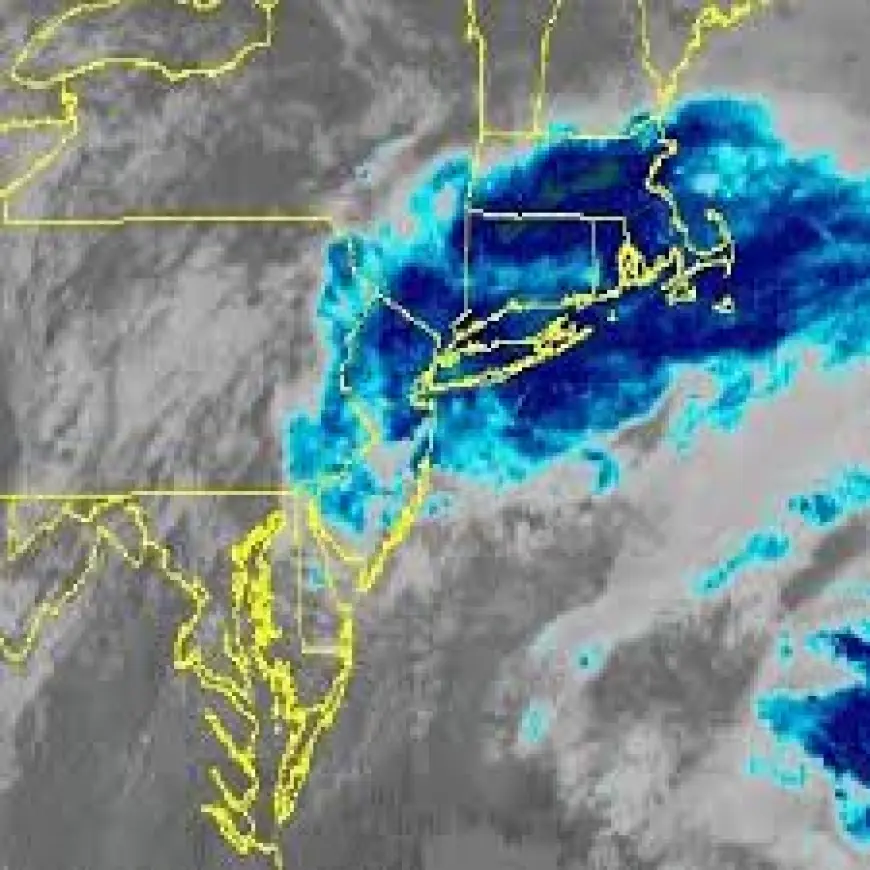
The new york blizzard has shut down streets and airspace across the northeast, prompting a full travel ban in New York City and sweeping emergency measures as heavy snow, fierce winds and coastal flooding strike the region. The pause in movement matters now because authorities say the system will deliver rapid snowfall rates and damaging gusts that will make travel nearly impossible for a critical window from Sunday evening into Monday.
New York Blizzard prompts citywide travel ban ordered by Zohran Mamdani
Mayor Zohran Mamdani imposed a full travel ban in New York City from Sunday evening until noon on Monday, closing all streets, highways and bridges to non-emergency traffic and ordering schools to remain closed. The city expects between 18 and 24 inches of snow, with the most severe snowfall forecast to reach up to 28 inches overnight into Monday, and temperatures falling to about -6C (20F). Mamdani described the scope of the storm as one that will force large-scale closures and emergency-only movement.
National Weather Service warnings and forecasted snowfall rates
The US National Weather Service has warned of heavy precipitation, estimating snowfall rates of 2-3 inches per hour and potential accumulations of 1-2 feet (30-60cm) in places, creating what forecasters described as "nearly impossible" and "extremely treacherous" travel conditions. NWS meteorologist Cody Snell said it has been several years since a nor'easter of this magnitude has impacted such a densely populated swath of the northeast.
Power outages climb in New Jersey and the Mid-Atlantic
Tens of thousands of properties lost electricity as the storm moved in. Nearly 90, 000 properties were without power in New Jersey alone, and tens of thousands more customers were affected across Delaware, Maryland and Virginia as of 03: 00 local time (08: 00 GMT), outage tracking data. Officials warned that coastal gusts could reach 65-70mph (104-112km/h), increasing the likelihood of downed tree limbs and extended outages.
Air travel chaos tracked by FlightAware and cancellations at JFK and LaGuardia
Airlines grounded thousands of flights as the storm arrived. Flight monitoring showed around 5, 500 US flights cancelled on Sunday, with hundreds of additional delays; thousands more cancellations were recorded on Monday, with John F. Kennedy and LaGuardia airports among the worst affected. The rapid accumulation and high winds left carriers and airports scrambling to adjust schedules and shelter aircraft.
Events and racing canceled; statewide emergency and National Guard alert
Broadway performances were cancelled on Sunday evening and the New York Racing Association called off all eight scheduled races at Aqueduct Racetrack. Governor Kathy Hochul declared a state of emergency for New York and placed 100 members of the National Guard on ready alert across the state. Hochul warned residents to prepare for widespread power loss and heavy impacts in Long Island, New York City and the lower Hudson Valley.
Early accumulations, regional warnings and human impact
Parts of the region were already seeing measurable snow before the storm peaked: Manorville, New York, and Howell, New Jersey, recorded about 10 inches (25cm) by midnight local time (05: 00 GMT on Monday). Some 59 million people were placed under weather warnings, and several states declared states of emergency while others imposed travel restrictions or bans. The broader region from the US northeast into Canada's maritime provinces was expected to be affected from Sunday evening into Monday.
Residents described immediate disruptions. "It's gonna be difficult for most New Yorkers to get around because we still have to go to work, " said Brooklyn resident Brandon Smith, noting the consequences of suspended road access on employment obligations. The city is under its first blizzard warning in nine years and this is the second major snowstorm to strike during Mamdani's new administration after a three-week cold snap in January that was linked to 19 deaths.
What makes this notable is the convergence of rapid snowfall rates, coastal wind gusts in excess of 65mph and dense population centers in the storm's path, a combination that has already forced mass cancellations, emergency declarations and preparations for prolonged outages and hazardous conditions.
Officials continue to stress that the storm's intensity will cause cascading impacts—heavy snow and fierce winds will lead to power outages, which in turn will hamper transportation responses and emergency services—leaving authorities focused on keeping roads clear for critical missions and protecting public safety during the most dangerous hours of the storm.