

















Jack Hughes’ shattered smile and a controversial overtime reshape the 2026 Winter Olympics hockey final

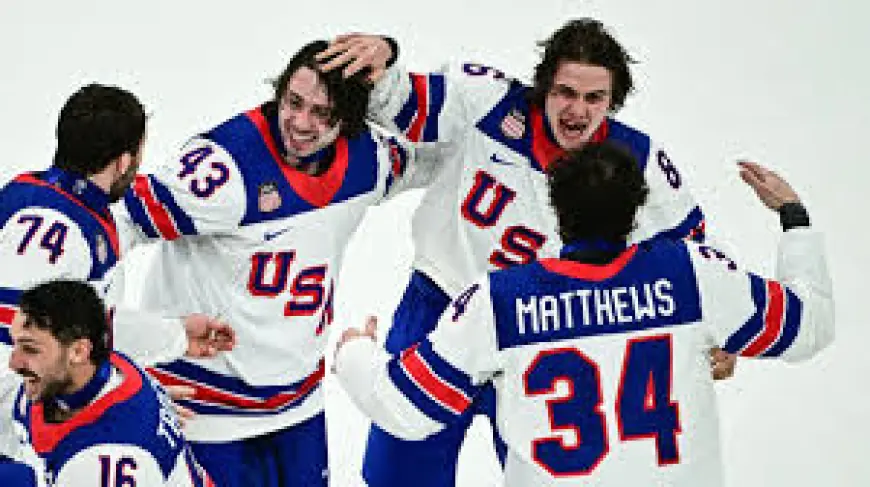
The players and their NHL clubs felt the immediate impact of the 2026 Winter Olympics final long before the confetti fell: Jack Hughes finished the match with a bloody, toothless smile and the game-winner for Team USA, while a goaltender who never left the bench now returns with a gold medal and a different kind of aftermath. Here’s who is affected first, and how a single overtime rule change amplified every consequence.
Who feels it first at the 2026 Winter Olympics
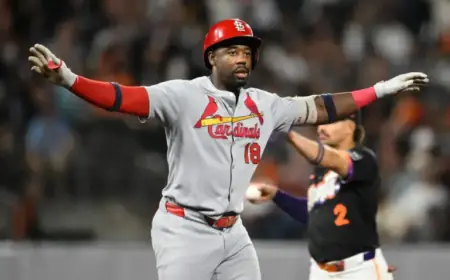
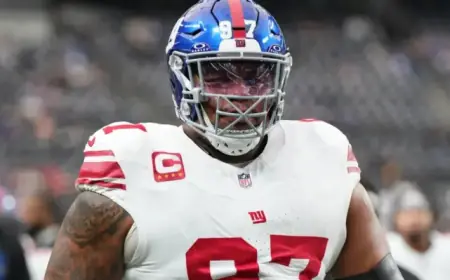
Players involved in the final — Jack Hughes, Connor Hellebuyck, Thomas Harley and Jake Oettinger — plus their club teams in Dallas and New Jersey, face the clearest short-term fallout. Hughes scored the golden goal that completed a 2-1 overtime victory against Canada in Milan, but his moment came with visible cost: at least three teeth were knocked out earlier in the game when Sam Bennett high-sticked Hughes in the mouth, creating a four-minute power play for Canada. Hughes lost teeth, stayed in the game and later delivered a high stick on Bo Horvat that wiped out the remainder of that power play; he then won two puck battles in his own end and finished off Zach Werenski’s feed for the winner.
How the Milan final unfolded and what changed on the ice
Matt Boldy opened scoring six minutes into the first period to give Team USA the early lead. Canada responded with sustained pressure that produced a 42-shot barrage, and American goaltender Connor Hellebuyck responded with a standout night: 41 saves and a 4. 6 goals-saved-above-expected figure. That performance limited Canada to a single regulation goal and kept the score even into overtime.
The overtime format became a flashpoint: instead of a traditional five-on-five extra period, the gold medal was decided in a 20-minute three-on-three session. Canada had controlled much of the even-strength action and many observers felt momentum favored Canada if play continued five-on-five; the open ice of three-on-three, however, played into Team USA’s hands and allowed Hughes to capitalize and end the game.
Dallas connections: two Stars, two very different post-tournament paths
Two members of the Dallas Stars left Milan with medals but in very different positions. Defenseman Thomas Harley skated heavy minutes for Canada in the final — logging 20: 33 of ice time and recording one shot on goal in the game — and finished the tournament with one goal and three assists across six games. His tournament minutes and four points should provide momentum as he returns to NHL duty. Goaltender Jake Oettinger, meanwhile, served as Team USA’s third netminder, did not play in Milan, and will return to Dallas at age 27 with a gold medal but without the on-ice Olympic experience many had hoped he’d gain. Harley and Oettinger, along with the rest of Dallas’ Olympic contingent, are slated to return to NHL action Wednesday when the Stars host the Seattle Kraken.
- Matt Boldy: opening goal six minutes into the first period for Team USA.
- Jack Hughes: four goals and three assists in Milan; his final shot was the tournament-winner.
- Connor Hellebuyck: 41 saves, 4. 6 goals saved above expected, faced 42 shots.
- Thomas Harley: 20: 33 ice time in final, one shot on goal, four points in six games overall.
- Jake Oettinger: third netminder for Team USA, did not see game action, returns to Dallas at 27 with gold.
Aftershocks, precedents and locker-room lines
What’s easy to miss is the way a single image — Hughes with the American flag, right fist raised, hair sweaty and a face described as a bloody Jack-o-lantern — changes the memory of a game. Teething injuries have odd currency in hockey lore: the final drew an explicit comparison to a past case when a player lost seven teeth and missed only seven minutes of play after a direct facial impact; that earlier player later framed his comeback with the line, "Long way from the heart. " Teammates offered color: Matt Boldy downplayed the teeth, saying, "Who cares at this point? To be honest, I think more people are looking at his medal than his teeth. " Vincent Trocheck observed that losing teeth is a part of pro life, adding, "You lose a lot of teeth as an NHLer. They get straighter as you lose them more. " Quinn Hughes labeled Jack "a freaking gamer, " praising his mental toughness and calling him an American hero.
Here’s the part that matters for clubs and players: the final combined a match-defining individual performance in net, a game-winning rush from a player who had been a fourth-liner at the tournament’s start, and a visible injury that did not remove that player from action. The real question now is how teams manage quick returns to club play after such intense international minutes and highly publicized physical incidents.
- Bold takeaway: Team USA won 2-1 in overtime; Jack Hughes scored the gold medal goal.
- Bold takeaway: The overtime was a 20-minute three-on-three session rather than five-on-five, and that format materially affected the outcome.
- Bold takeaway: Hellebuyck’s 41-save night and 4. 6 goals-saved-above-expected figure were central to the result.
- Bold takeaway: Harley’s heavy minutes for Canada and Oettinger’s unused gold both create distinct returns-to-club-storylines for Dallas.
It’s easy to overlook, but Hughes' tournament arc — from fourth-liner to four goals and three assists in Milan and then to the golden goal — is as much about timing as talent. The combination of visible injury, goaltending brilliance and an overtime rule tweak has already stamped this final as a moment with ripple effects for players and clubs alike.