
















Risk rises as French Alps strain under governance chaos ahead of Winter Olympics 2030

The French political class is sounding alarm bells over the Winter Olympics 2030 because the host organizing committee is visibly unstable at a moment when momentum should be building. President Emmanuel Macron and close advisers are frustrated by turf wars, a string of senior resignations and growing sponsor reticence — developments that threaten the Games’ budget credibility and operational timeline first felt by local governments and potential private partners.
Leadership uncertainty and political pressure increase the stakes for Winter Olympics 2030
French authorities are treating the current situation as a governance emergency. French Sports Minister Marina Ferrari called an emergency meeting to demand a "rapid and complete clarification on the governance and stability of the organization. " Two former advisers to President Macron, granted anonymity to speak candidly, said they had been told the president privately kicked up a fuss earlier this month about how bad things have gotten. An elected official involved in planning said the feeling inside the Elysée Palace is "enough is enough. " One former aide put it bluntly: "They're all clowns. We need to take back control. "
It’s easy to overlook, but the involvement of senior political figures signals this is no longer only an operational headache for the organizing committee; it has become a national political problem with reputational and fiscal risk.
What is breaking inside Cojop
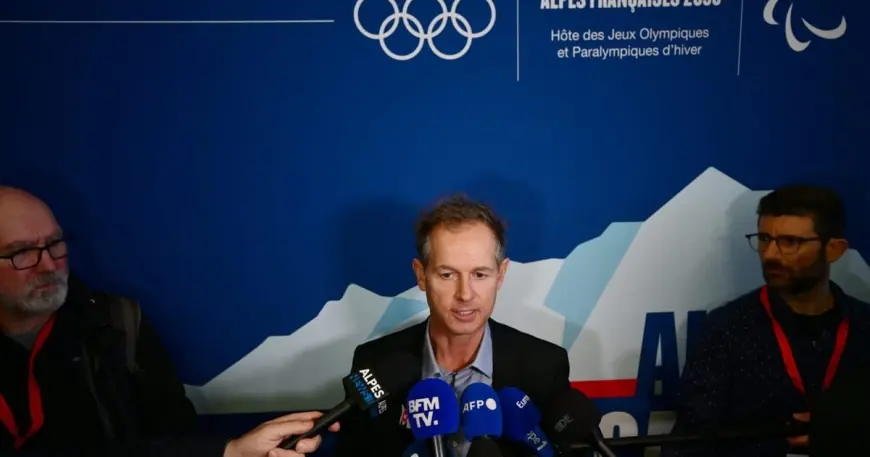
The French Alps 2030 Organizing Committee (Cojop) has been plagued by infighting since its inception in 2024. Turf wars and strategy fights have been blamed for preventing real progress toward the committee’s ambitious vision. The latest personnel setbacks include the resignations of Cojop's operations and communications directors in December and January over strategic disagreements. Cojop President Edgar Grospiron said on Sunday that the organization's chief executive was in the process of departing as well.
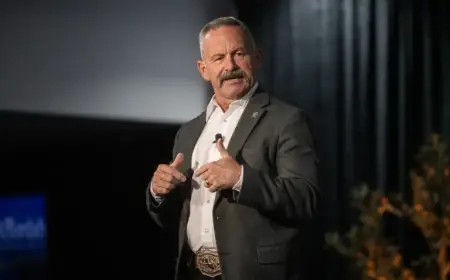
Grospiron, a former Olympic freestyle skiing champion, has pledged to make the Winter Olympics 2030 the cheapest in history, but that plan depends on securing private sponsors. So far Cojop has yet to announce any sponsorships, and private partners are reportedly hesitant because of the bad publicity surrounding Alps 2030. A person working on planning for the Games said private partners "aren't daring to commit themselves. " Cojop did not respond to a request for comment, and the International Olympic Committee pointed to a Feb. 4 Cojop statement saying all of its teams "are fully mobilized and focused on their mission. "
Names circulating, a ministerial intervention and a flag handover visit
Grospiron appears to be on the hot seat as names of potential replacements have begun circulating in the French press, including former prime ministers Michel Barnier — who helped organize the 1992 Winter Olympics in Albertville — and Jean Castex. Macron has not yet called for Grospiron to step down; a current presidential adviser indicated that is still the case. The president's trusted prime minister, Sébastien Lecornu, is planning to take a larger role in the process and hopes to "put things in order, " a different current adviser said. Lecornu is set to visit the Alps for the formal arrival of the Olympic flag on Monday.
Operational scale, local disputes and cost pressure
Keeping costs down will be difficult given the logistical challenges. Unlike Paris 2024, which took place mainly in the French capital, the Winter Olympics 2030 will stretch over a 600-kilometer region spanning multiple French jurisdictions. Local leaders are already fighting over who gets to host what, and the situation has gotten so messy that officials were forced to unclear in the provided context
- Political alarm: President Macron and aides have privately expressed strong frustration.
- Senior departures: operations and communications directors left in December and January; the chief executive is in the process of departing.
- Leadership options: Michel Barnier and Jean Castex have been mentioned as possible replacements.
- Cost challenge: Grospiron pledged the cheapest Games, but Cojop has no announced sponsors and private partners are hesitant.
- Scale & friction: the Games will cover a 600-kilometer region and involve multiple jurisdictions.
The real question now is whether political intervention will stabilize Cojop quickly enough to restore sponsor confidence and settle local disputes before planning deadlines tighten. If ministers and the organizing committee can present a clear, stable leadership structure and first commitments from partners, that would be an early signal the trajectory is back under control.
Brief historical note: Michel Barnier’s name has been linked in part because he helped organize the 1992 Winter Olympics in Albertville, a factual tie that has been mentioned in discussions about experienced replacements.
The bigger signal here is reputational: French authorities are worried mismanagement could reinforce an image of being ungovernable and financially careless, which matters for both private investment and public buy-in ahead of the Winter Olympics 2030.
Overall uncertainty remains high and details may evolve as ministers convene and the formal flag arrival takes place in the Alps on Monday.