



















Matthew Tkachuk and Brady Tkachuk: Hated at Home, Stars for Team USA in Milan

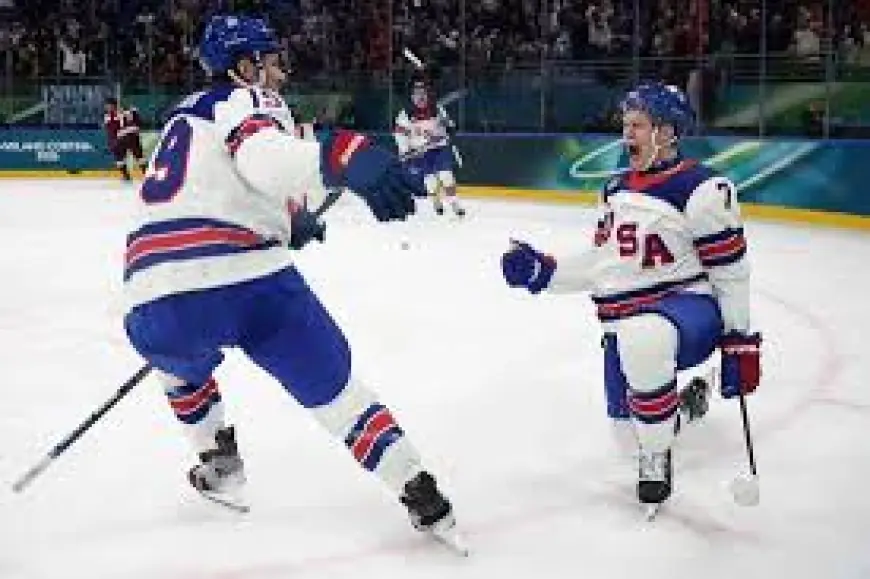
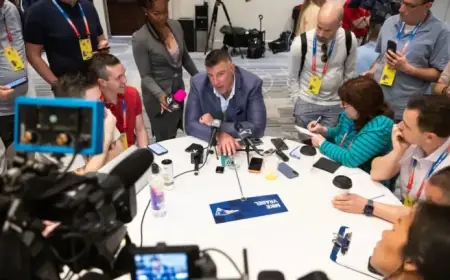
The spotlight is on Matthew Tkachuk as he and his brother Brady take central roles for Team USA at the 2026 Winter Olympics in Milan, a reunion that matters because the siblings arrive as both proven winners and lightning rods for controversy. Their presence transforms Canada–United States matchups into high-stakes, emotionally charged events, and the brothers’ reputation for starting scrums and provoking opponents keeps the conversation focused on style as much as results.
Matthew Tkachuk’s achievements and the brothers’ Olympic return
Matthew Tkachuk is an alternate captain for the Florida Panthers and played a key role in back-to-back Stanley Cup victories in 2024 and 2025. Brady Tkachuk serves as captain of the Ottawa Senators. Both brothers are representing Team USA at the 2026 Winter Olympics in Milan, marking a second straight February where they play together on the same national team after teaming up at the 2025 4 Nations Face-Off.
Matthew Tkachuk: reputation, criticism and the charge of 'turtling'
Matthew Tkachuk’s aggressive approach is paired with a specific criticism tied to on-ice strategy: provoking opponents to draw penalties, then avoiding fights when gloves come off. That notion of 'turtling' has drawn ire from fans and players who describe the tactic as irritating or shameful. Despite those criticisms, Matthew Tkachuk’s on-ice production and leadership remain central to why opponent clubs would covet his impact even as they vocally dislike his style.
Tkachuk brothers’ pattern of aggression and game consequences
The brothers are frequently accused of instigating scrums in Canada–United States clashes; their aggressive, agitating play routinely leads to ejections and brawls. Observers have labeled Matthew and Brady among the most hated players in hockey because of their ability to provoke opponents and draw the ire of rival fans and teams. That hostility is often situational — intense during these national showdowns — even while many concede the brothers’ winning prowess makes them desirable roster assets.
The Montreal opening: three fights in nine seconds
In a notable episode during the 2025 4 Nations Face-Off, a preliminary game in Montreal opened with three fights within nine seconds right after the opening whistle. The brothers’ quick escalation was widely interpreted as an effort to send a message to Canadian spectators and to set the tone for the rivalry. The same three-fight sequence has become a defining example of how their presence amplifies tension at international events.
Why the world — especially Canada — reacts so strongly
Hostility toward the Tkachuk brothers is concentrated in moments when national pride is most on the line. The United States and Canada rivalry naturally breeds extra-curricular activity on the ice, and the Tkachuks’ style feeds into existing animosity. Opposing fans and players often dislike the brothers’ methods, yet many concede that having a Tkachuk can be an advantage for teams chasing wins. That paradox—despised by rivals, coveted by competitors—helps explain why the brothers remain both polarizing and prominent.
Family legacy and motivation heading into Milan
The brothers frequently reference their father, Keith Tkachuk, in explaining their competitive fire. Keith Tkachuk lost the gold medal to Canada at the 2002 Salt Lake City Olympics, and that family history shapes the brothers’ framing of Canada as a rival. Brady has summarized the family message about those matchups as centered on regret tied to failure: the only advice he received from his father about Canada was that there is a lot of regret if you don't win. Brady has also acknowledged the palpable hatred that surrounds the rivalry, reinforcing how personal and national stakes combine when the Tkachuks take the ice.
As Team USA heads into Milan, the Tkachuk brothers arrive with a mix of trophies, controversies, and a well-established role in one of hockey’s fiercest rivalries. Their combination of success and provocation ensures they will remain focal points for fans, critics and opponents alike at the Olympics and beyond. Recent coverage has examined why the world, and especially Canadian hockey communities, react so strongly to the siblings; those dynamics will play out anew whenever the United States and Canada meet on Olympic ice.