















Spurs Manager choice puts an injury-hit squad and captain under immediate strain — what Tudor needs to change

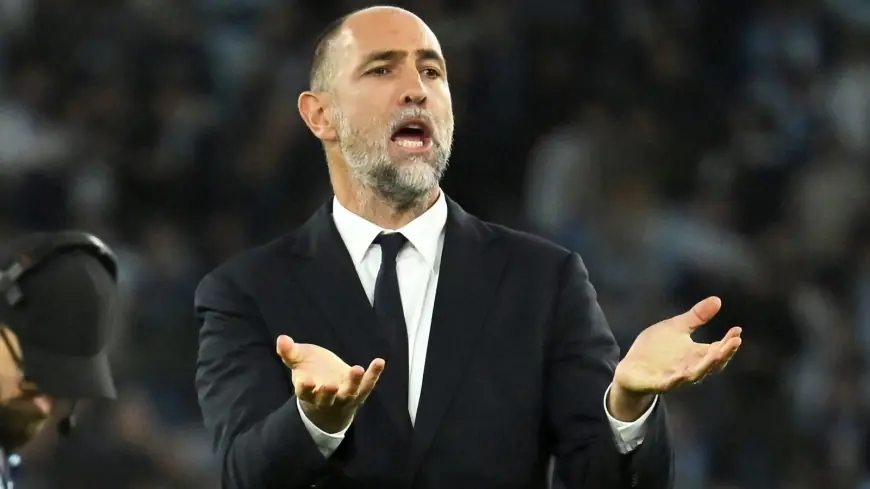
Who feels the impact first is straightforward: the players and the captain, and the club’s short-term prospects hinge on coaching decisions this weekend. The Spurs Manager appointment is already being treated as a live intervention after Igor Tudor’s promising first week since taking over; Michael Bridge has analysed what Tudor must change ahead of the north London derby with Arsenal, kick-off 4. 30pm. The immediate pressure comes from a threadbare squad, registration limits for the Champions League last 16 and off-field unrest that has bubbled into view this season.
Spurs Manager pressure: players, registration limits and the captain’s unrest
Sporting director Johan Lange has publicly defended the club’s quiet close to the winter window, and has opened the door to making Igor Tudor permanent if results follow. Lange faced the media on Friday and explained that Tudor impressed in interview and in how quickly he has begun building relationships with players after arriving midweek. Lange also argued the club judged the transfer market in January had too few immediately useful options — partly because of a new European format that compressed fixtures and left many teams with heavy injury lists.
That combination matters because Spurs reportedly lost nine players to injury last month and now face at least 11 absences for the trip to Arsenal. The club signed Conor Gallagher in a deal completed on January 14 worth £34. 7million, and subsequently brought in one other young left-back, a 19-year-old called Souza. Lange noted the squad remains short and that some players cannot be registered for the Champions League last 16, which limited recruitment choices.
How the immediate match week shapes Tudor’s job — and what he’s already said
Igor Tudor gave his first media briefing as head coach on Friday ahead of his first game in charge at Tottenham Hotspur Stadium on Sunday. He described a training group cut down to 13 players during sessions and framed the immediate task as rebuilding mentality: becoming a team that is willing to suffer, fight and run. Tudor said he has focused on concrete work in three or four sessions, choosing exercises that can yield quick improvements rather than attempting sweeping changes in a very short time.
He also acknowledged the reality of limited personnel — calling the situation "very particular" with 10 injuries and saying that having 13 available is, in his words, "quite enough" to attempt the target for Sunday. Tudor emphasized that system choices follow style and mentality and that every coach adapts to club and culture; he has presented quick, practical steps rather than wholesale reinvention so far.
Wider context: injury crisis, form collapse and rising relegation anxiety
Tottenham’s troubles have been building. The team had won just two of its previous 17 league games and managed only five home victories since November 2024; the squad is said to have 12 players out injured at one point, and fan discontent reached near-revolt levels. Those trends contributed to the decision to relieve Thomas Frank of his duties. Commentators have framed the current situation as one where Spurs have "rolled the dice, " and warned that the club’s anxiety could grow as rivals close the gap.
One comparison in recent analysis traces a sequence of near-misses elsewhere: fixtures in late January involving West Ham—an away lead at Chelsea toward the end of January and a later lead against Manchester United 10 days on—did not produce wins, but had they, West Ham would have been five points better off and level with Tottenham going into this weekend. That narrow margin helps explain why Tottenham’s proximity to relegation fears has become a talking point; a victory over Arsenal would move Spurs to 32 points, a total framed as far from comfort in recent commentary.
What’s easy to miss is that the club’s transfer choices in January were constrained not only by injuries but also by registration rules for the Champions League last 16, a factor Lange cited as shaping recruitment logic.
Practical checklist Tudor must address before the derby
- Immediate cohesion: convert limited training sessions into clearer, repeatable team behaviours on pressing, low-block and transitions.
- Selection clarity: manage with at least 13 available players while protecting fitness and registration eligibility for European competition.
- Captaincy and morale: contain public frustration from players such as Cristian Romero by resolving matters internally and restoring collective focus.
- Transfer logic reinforced: avoid signings who cannot contribute now or lack future potential, given registration constraints.
Here’s the part that matters: Tudor’s first-week impression has been judged positively by the club’s hierarchy, but the fixture list, injury count and administrative limits create a narrow runway for impact. The real question now is whether quick tactical sharpening and visible improvements in attitude between now and Sunday will be enough to shift the club out of the immediate danger zone.
Key takeaways
- Johan Lange has defended the winter window inactivity and says Tudor could be made permanent if results improve.
- Tudor arrived midweek, has run three or four concrete sessions with a training group of about 13 and has prioritized mentality and team cohesion.
- The squad lost nine players last month; Conor Gallagher was signed on January 14 for £34. 7million and 19-year-old left-back Souza was the only subsequent addition mentioned.
- Some players are currently unable to be registered for the Champions League last 16, which limited January recruitment options.
- Cristian Romero has twice expressed frustration on social media in 2026; the club says that matter has been handled internally and the focus is now on togetherness.
- Broader anxiety is fuelled by poor recent form, multiple injuries and analysis suggesting rivals closing the gap; an earlier sequence of near-results elsewhere would have altered standings by five points.
One unresolved item in the public record is how the club’s sporting leadership changes after a chair departure earlier in the season have affected strategy; that thread is unclear in the provided context and may influence longer-term choices.