





















Olympic Hockey Overtime Rules Draw Fresh Scrutiny After Late-Tie Thrillers and Rules Debate

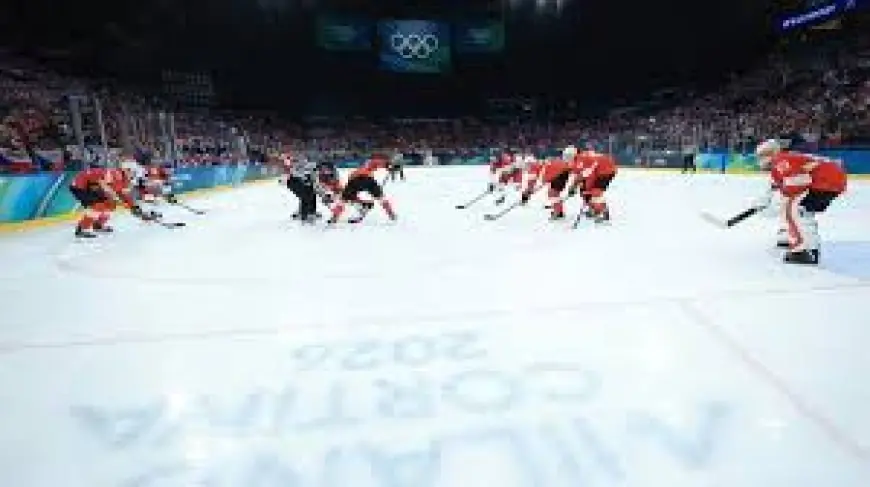
Debate over Olympic Hockey Overtime Rules has intensified after a stretch of games produced multiple dramatic late ties and commentators and analysts examined how international formats differ from the NHL’s. The discussion matters now because the format choices—three-on-three periods, varying overtime lengths and review procedures—affect fairness, player usage and the risk of extended games.
Olympic Hockey Overtime Rules: three-on-three formats in medal rounds
The current Olympic structure uses three-on-three overtime throughout the tournament in differing lengths: group stage and preliminary medal rounds use 5 minutes of 3-on-3 followed by a shootout; quarterfinals and semifinals use 10 minutes of 3-on-3 followed by a shootout; and the finals move to recurring 20-minute periods of 3-on-3 until a winner is decided. That tiered approach puts the three-on-three format at the center of medal-round outcomes and shapes coaching decisions late in games.
Quarterfinals and women’s gold game produced late ties over about 34 hours
Over roughly 34 hours, from early Wednesday morning to Thursday afternoon, three of the four men’s quarterfinal games on Wednesday and the women’s gold medal game on Thursday were tied at the end of regulation. In each of those four games, the game-tying goal came with less than 3: 30 left in the third period, producing a cluster of high-stakes overtime situations that highlighted how the format can convert late drama into nontraditional overtime play.
NHL history since 2004 and the playoff exception
When the NHL eliminated ties after the 2004 lockout, it experimented before settling on five minutes of three-on-three followed by a shootout in the regular season. Three-on-three is widely viewed as a gimmick that fits the regular season by guaranteeing a result, but it marginalizes physical, tough players who are pillars of the first three periods. The NHL removes three-on-three for its playoffs, reverting to five-on-five overtime until a game is decided, a model some commentators argue is a truer decider of which team is better.
Pierre LeBrun, Rules Court and the jury of three
A recent review of the blended IIHF–NHL rulebook referenced reporting by Pierre LeBrun and brought the differences into a forum dubbed Rules Court. The exercise put seven of nine rule differences on trial, excluding two considered minor: switching ends for overtime and players losing their helmets during play. The panel included Sean Gentille, Shayna Goldman and Sean McIndoe, who examined proposed changes drawn from the international game and evaluated whether the NHL should adopt them.
One highlighted difference concerns review procedure: in the NHL, a Situation Room in Toronto can initiate a review in the last minute of the third period or at any time in overtime; under IIHF practice, teams must initiate a coach’s challenge at all times. All three jurors voted against importing the IIHF approach—McIndoe warned of unintended consequences if coaches challenged every goal, Goldman rejected exposing coaches to risking a penalty kill late in games and stressed efficiency for an event held once every four years, and Gentille opposed adding coach-driven responsibility to replay mechanics.
Panelists also noted a procedural distinction for Olympic officiating: refs at the Olympic tournament do not have people in a Situation Room to influence their decisions on video review. They will be talking in a headset to someone helping them navigate what they’re looking at, but only the refs will be involved in unclear in the provided context.
Proposed five-on-five alternative for finals and practical limits
Commentators proposed an alternate format that preserves late-game physicality: keep the 5-minute, three-on-three and shootout model for the group stage, switch medal-round preliminaries, quarterfinals and semifinals to 10 minutes of five-on-five followed by a shootout, and make the men’s final a single 20-minute period of five-on-five hockey. The argument is that one full five-on-five period would often be sufficient to crown a winner, and if not, the tournament could move to three-on-three or a shootout afterward.
What makes this notable is the balancing act between protecting players who must return to club commitments and preserving a form of overtime that rewards the players and styles that prevail in regulation. Advocates for change point out two concrete constraints: many Olympians will be returning to playoff races or playoff pushes, and tournament logistics—including volunteer duties across sports—limit the feasibility of multiple long overtimes. Those factors are offered as the practical causes that sustain the current mixed formats and the limited appetite for NHL-style endless five-on-five overtimes in the Olympic setting.
Browser warning and technology note
A parallel, non-hockey detail in the public record noted that a news website said it built its pages to use the latest technology to make the experience faster and easier, and that some readers would see a message that their browser is not supported and should download a modern browser for the best experience.
The combination of late-game drama, format critiques and differing review procedures has restarted a conversation about whether current Olympic rules produce the right winners and the right spectacle at the biggest international stage.