


















Mets roster pivot: Bo Bichette's move to third is already shifting infield scrutiny

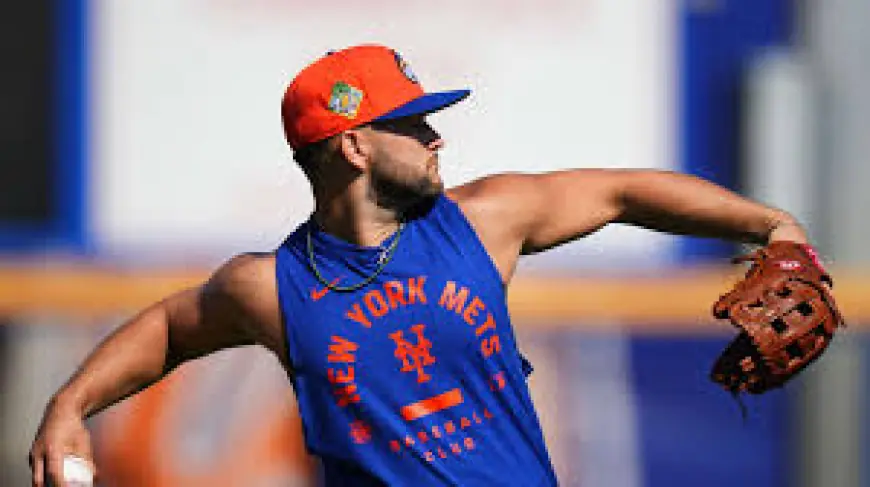
Bo Bichette's switch to third base matters because it puts immediate pressure on how the Mets configure their infield and who takes defensive heat first. Spring games offer the kind of real-speed reps that practice can't replicate, so Bichette's in-game appearances will determine how quickly the club trusts him at the hot corner. That shift will be felt most acutely by the infield alignment and the coaching staff tasked with positioning and reps.
Mets infield impact and where attention lands
Here’s the part that matters: Bichette arriving as a new signing and taking on third base changes daily decisions for the club. He has been a shortstop throughout his professional career and has only recently started taking reps at third. The team already has established players at shortstop and second base, and inserting Bichette at third forces the staff to rethink defensive alignments, positioning and playing depth.
From a preparation standpoint, Bichette has emphasized wanting as many spring appearances as possible — he previously logged around 18 to 20 spring games in an earlier stop — because live action accelerates learning for a new position. The coaching staff is monitoring his in-game reps closely to adjust positioning and communicate defensive choices during contests.
Saturday's game action — a practical test
Bichette made his debut for the club in the Grapefruit League opener, going 0 for 2 and playing four innings at third. During a play down the line, he backed up to field a high ground ball and made a throw that trailed up the first-base line; the first baseman could not corral the throw, and the play was ruled an error charged to the first baseman. The throw was judged improvable and is a concrete example of how practice-only reps differ from the speed and angles of game play.
The manager noted that Bichette took a good angle on the play and created a difficult hop, and also said the player remained engaged with the dugout about positioning throughout the game. Bichette has described experimenting with depth — weighing the tradeoff between playing deeper for range and adjusting to hitters and situations — and has said he is enjoying the new challenge while working to improve specific throws in practice.
- Contract context: Bichette signed a multi-year free-agent deal with the club, with a three-year, $126 million value and an annual average near $42 million.
- Positional background: He has played shortstop throughout his professional career and appeared at second base in postseason action last year.
- Spring objective: Bichette wants abundant game reps to compress the learning curve at third base and to gel with his new teammates.
What's easy to miss is that an early throwing error in a spring opener is not the same as a regular-season pattern; it's a single data point that highlights where work is needed, not a final judgment on a player's fit at a new spot. The real test will be how his in-game throws and positioning evolve across multiple appearances.
- Key takeaways: Bichette's transition shifts who the coaching staff must manage each day and places infield alignment under closer scrutiny.
- Key takeaways: Game reps are the priority — back-field practice won't fully substitute for the velocity and hops faced in live play.
- Key takeaways: Early miscues underline areas for focused drills (throwing angle and footwork on plays to the first-base side).
- Key takeaways: If Bichette's defensive adjustments progress in subsequent spring games, trust at third will grow; repeated mishaps would force tougher lineup conversations.
If you’re wondering why this keeps coming up: the combination of a high-profile signing, a new defensive role and a crowded infield makes spring outcomes disproportionately influential on roster conversations. The club's handling of Bichette's reps — how many games he plays and how the staff adjusts his positioning — will signal whether this move eases lineup construction or creates persistent defensive headaches.
The coming weeks of spring action will provide a clearer picture; details may evolve as Bichette accumulates more innings at third and the coaching staff refines his angle and depth decisions.