























Eileen Gu’s gold reshapes the closing-stage story as Zoe Atkin wins halfpipe bronze and Team GB equals its best Winter Olympics haul

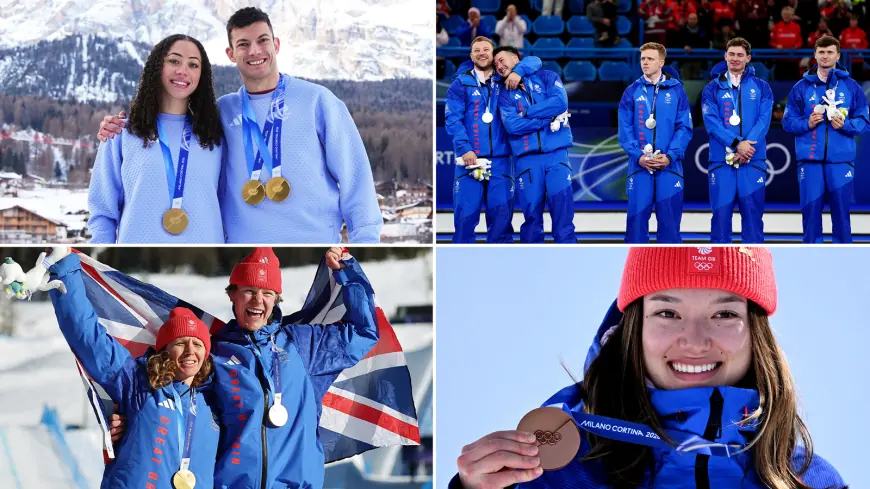
The closing stretch of the Milan‑Cortina Games has shifted how several teams will be remembered: Eileen Gu landed her first gold after two silvers, Norway confirmed an unprecedented medal dominance, and Zoe Atkin’s halfpipe bronze made Team GB’s total five — matching its best ever Winter Olympics tally. Here’s what changes next for the athletes and national narratives as the Games head toward the closing ceremony.
What this shift means for podium narratives and national records
With Eileen Gu converting earlier silvers into a gold and Norway finishing with a historic haul, momentum and headlines will focus on both individual legacies and national depth. Great Britain’s five medals — three golds, a silver and a bronze — now equal the team’s best from 2014 and 2018, but the sequence of medals this week also created new firsts for GB at a single Games.
Eileen Gu’s gold and the halfpipe podium order
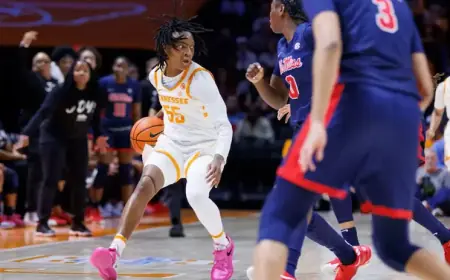
Eileen Gu won gold in the halfpipe with a score of 94. 75, her first of these Games after previously taking two silvers. Li Fanghui claimed silver. Zoe Atkin secured bronze, improving to a 92. 50 on her final run — half a point short of the silver score — and had already guaranteed herself a medal before that concluding attempt.
Zoe Atkin’s path to bronze and family full circle
Zoe Atkin, 23, from Massachusetts and holding dual UK‑American citizenship since birth, qualified for the final in first place and led after the first run under the single-best-score format (one best score from three runs counts). This was Atkin’s second Olympics; she entered Milan‑Cortina fresh from winning Aspen X Games gold last month and as the reigning world champion, aiming to better the ninth-place finish she had in Beijing four years ago. In 2018, as a 15‑year‑old, she watched her big sister Izzy win Olympic bronze in Pyeongchang slopestyle — and Izzy was present to support her in Italy. Their mother has been playfully claiming she’s the first parent to have two Olympic medallists for GB in the family.
Team GB’s medal composition and milestone moments
Team GB’s five medals at the Milan‑Cortina Games comprise three golds, one silver and one bronze, matching the totals from 2014 and 2018. The three golds came in mixed team snowboarding (Charlotte Bankes and Huw Nightingale), mixed team skeleton (a pair of names who secured a gold together last weekend), and the men’s singles skeleton (a separate gold for Matt Weston). The mixed team skeleton gold was the second for Weston at these Games, who also took the men’s singles skeleton title. The two golds secured on a single day — Charlotte Bankes and Huw Nightingale’s mixed team snowboarding gold alongside the mixed team skeleton gold — marked the first time Great Britain had ever won two gold medals on the same day at any Winter Games.
Team GB also narrowly missed a further gold when the men’s curling team, led by Bruce Mouat, lost to Canada in the final and had to settle for silver, repeating their result from Beijing 2022.
- Key takeaways: GB’s five medals equal previous bests but represent new firsts in single-day golds and multiple gold moments.
- Who is directly affected: the athletes named above, Team GB’s historic narrative, and winter-sports funding and attention within the team’s home program.
- Signals that would confirm a shift: any additional podium finishes before the closing ceremony or formal national statements in response to the double-gold day would underline a sustained change.
Wider Games context: Norway’s dominance, Klæbo’s sweep and USA hockey drama
Norway finished atop the medal table with 18 golds and 41 total medals, the most golds by any country in Winter Olympics history. The United States placed second in both counts with 12 golds and 33 total medals. Johannes Høsflot Klæbo accounted for six golds and, on the penultimate day at the Tesero Cross‑Country Skiing Stadium, completed his six‑gold set by winning the men’s 50km classic, beating teammate Martin Løwstrøm Nyenget by 17. 4 seconds — a run that set a new single‑Games gold mark for an individual. The Netherlands finished with 10 golds, the same tally as host nation Italy, underscoring strong showings from relatively small countries.
Elsewhere, the United States stunned Canada to win the men’s Olympic ice hockey gold for the first time since 1980, beating Canada 2‑1 in overtime; Jack Hughes scored the winning goal less than two minutes into the extra period and goaltender Connor Hellebuyck delivered a standout performance in net.
Here’s the part that matters: these results reframe both individual careers and national narratives — a first gold for Eileen Gu at these Games, a record set by Klæbo, and new historical notes for Team GB.
What’s easy to miss is how many separate storylines converged in the final week: family legacies, individual milestones and national records all reached their peak within days of one another. The real question now is whether any late podiums before the closing ceremony will add to or alter these headline moments.