






















World Baseball Classic 2026: What MLB All-Star Fans Should Watch as National Rosters Take Shape

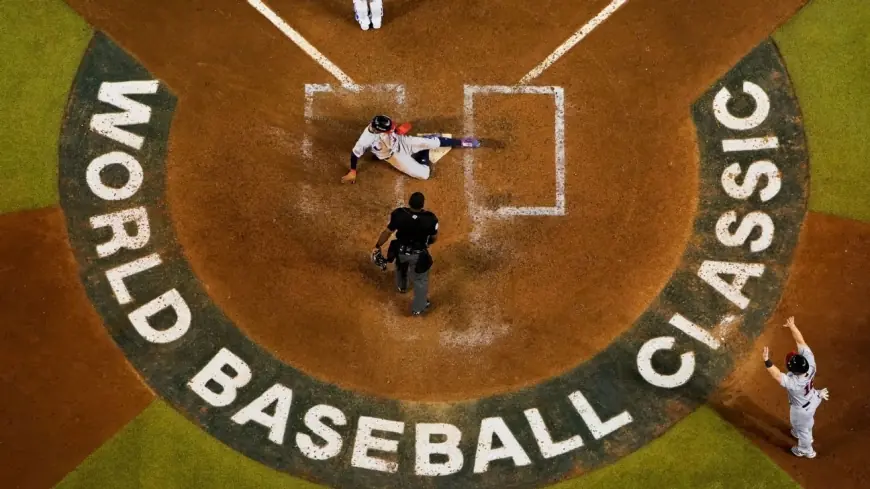
The world baseball classic 2026 lands in a compact, star-heavy window—March 4–17—across Houston, Miami, Tokyo and San Juan, Puerto Rico. For fans who track MLB All-Stars, this tournament matters now because multiple national rosters include 2025 All-Stars, changing pre-tournament forecasts and raising the stakes for teams like the United States, Japan, the Dominican Republic and Mexico.
Why roster composition matters for World Baseball Classic 2026 followers
Here’s the part that matters: teams heavy with 2025 MLB All-Stars arrive as favorites on paper, and that shapes both fan expectations and tactical matchups long before first pitch. Team USA’s roster is described as loaded across positions; Japan enters as defending champion and a perennial contender after three titles overall. Several other countries—Dominican Republic, Mexico and Venezuela—are explicitly noted for strong groups of MLB talent. Corbin Carroll’s withdrawal following hand surgery is an example of how late changes can alter the perceived balance.
What’s easy to miss is that a core of countries have shown repeat commitment to the event—many national programs have five appearances—so depth and organizational continuity are real factors in tournament performance.
Event details and competitive signals
The tournament runs March 4–17, culminating with the championship game on March 17 in Miami. Games will be hosted across four cities: Houston, Miami, Tokyo and San Juan, Puerto Rico. The 20-team format brings a global mix that again pulls top players away from spring training into national duty.
- Defending context: Japan holds the most World Baseball Classic titles, with three championships (2006, 2009, 2023).
- Recent title games: the 2023 final ended with Japan beating the United States; past finals have included decisive wins and extra-inning finishes.
- All-time MVPs across editions include multiple standout performers from Japan, the United States and the Dominican Republic.
Teams repeatedly fielding strong MLB talent are clear competitive signals: the Dominican Republic completed a perfect 8-0 run in one edition, while Japan has produced multiple finals performers and MVPs across tournaments. Mexico lost to Japan in a recent semifinal but is positioned as competitive again. Puerto Rico reached late rounds in prior tournaments but was eliminated in the quarterfinal round the last time noted.
If you’re wondering why this keeps coming up for roster-watchers: many national squads are counting 2025 MLB All-Stars among their ranks, and those players are the immediate variables that can swing a pool or bracket draw.
- Key takeaways: the tournament’s timing (early March) concentrates availability pressure for MLB All-Stars and heightens the impact of roster withdrawals.
- National continuity matters: several countries have appeared in every edition and that institutional experience shows up in deep runs.
- Japan’s three titles and recent championship suggest a sustained national program; Team USA remains a top contender with a loaded roster.
- Player-level shifts—like noted withdrawals—can change perceived team strength quickly ahead of March 4.
Micro timeline (contextual rewind):
- 2006: inaugural tournament established an international showcase.
- 2017–2023: United States and Japan traded recent finals appearances, with Japan winning the latest edition noted.
- March 4–17, 2026: the next edition will stage group and knockout play across four host cities, finishing with the Miami final on March 17.
Looking ahead, the visible signals that will confirm shifting expectations are roster announcements and any further player withdrawals—those moves will be the clearest early indicators of which squads genuinely match their preseason billing.
Writer’s aside: The bigger signal here is how much roster depth—measured by recent All-Star presence and repeat national participation—matters more than any single headline name once games begin.