




F1 San Francisco: What the Ford and Red Bull showrun on Marina Boulevard means for local fans and onlookers

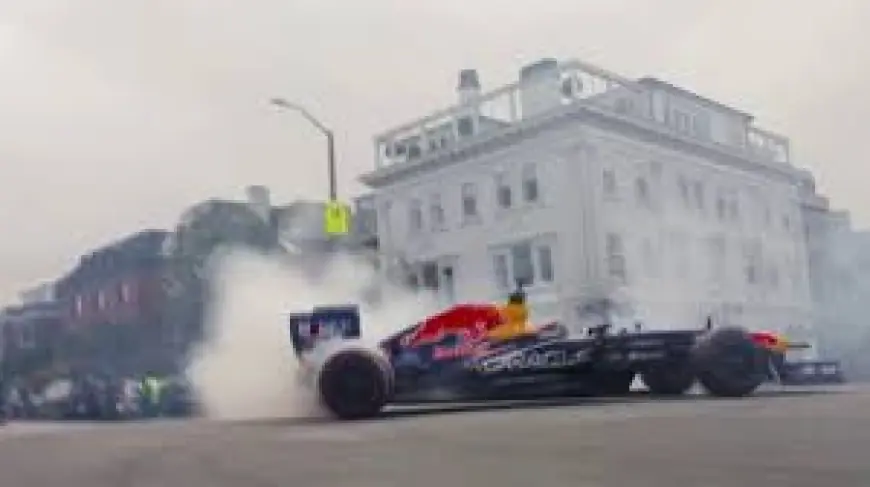
For city residents and motorsport fans, f1 san francisco is now more than a slogan: headlines link a planned F1 car demonstration and a public showrun, pairing Red Bull with Ford on Marina Boulevard. That change puts everyday streets and casual viewers at the center of a brand-driven spectacle, shifting expectations about access, duration and who the event is actually designed to reach.
F1 San Francisco and local audiences: an urban showcase aimed at casual viewers
Organizers and brands are pushing the image of a motorsport moment into the public realm, which matters most for people living near the route and for local fans who prefer walk-up experiences over ticketed grand prix seats. For this audience, the event functions as a short-form encounter with F1 machinery: a demonstration or showrun brings high-performance cars into neighborhoods in a way a racetrack does not.
If you’re wondering why this keeps coming up for city residents, the simple answer is visibility: these activations are designed to be seen by people who might not otherwise attend a race, creating a different set of expectations about noise, crowding and photo opportunities.
It's easy to overlook, but pairing an automotive manufacturer with an F1 team in a public showcase signals a hybrid message—part product spotlight, part sporting spectacle—played out on city streets rather than behind racetrack fences.
Event details and what the headlines show
Headlines indicate three discrete elements: an announcement of a planned F1 car demonstration, a gallery presentation that pairs Ford with Red Bull, and a showrun staged on Marina Boulevard. Those points are consistent across coverage, but the timeline and full logistical details are not all uniform in the headlines. Recent updates indicate both a planned demonstration and a staged showrun on Marina Boulevard; details may evolve.
For clarity: the terms used in coverage are demonstration and showrun—both describe a non-competitive appearance by F1 machinery in an urban setting. The gallery framing suggests photography and curated visuals accompanied the activity, and the mention of Marina Boulevard places the action on a recognizable city thoroughfare.
- Key takeaway: The headline linkage of Ford and Red Bull signals a joint brand moment in the city rather than a standalone team activation.
- Key takeaway: A showrun on Marina Boulevard frames the event as a street-level spectacle accessible to passersby.
- Key takeaway: Use of both “planned demonstration” and “staged showrun” in headlines means the sequence and timing are not fully consistent across summaries.
- Key takeaway: For local fans, this is a lower-barrier way to experience F1 equipment and imagery without attending a race weekend.
The real question now is how organizers and local authorities will balance public access with safety and neighborhood impact as these kinds of activations become more common.
Practical signals to watch for that would clarify next steps include explicit timing, permit notices and any follow-up gallery releases that show whether the activity was promotional only or part of a broader event series. These items would confirm whether headlines describing planning and headlines describing execution reflect a single campaign or separate announcements.
Writer’s aside: The bigger signal here is how motorsport brands are adapting spectacle to urban attention—moving from closed circuits into street-facing activations that are easier for casual audiences to encounter, even if full details about each activation remain unsettled.