
























Boeing Starliner Failure: NASA calls test flight a 'Type A' mishap

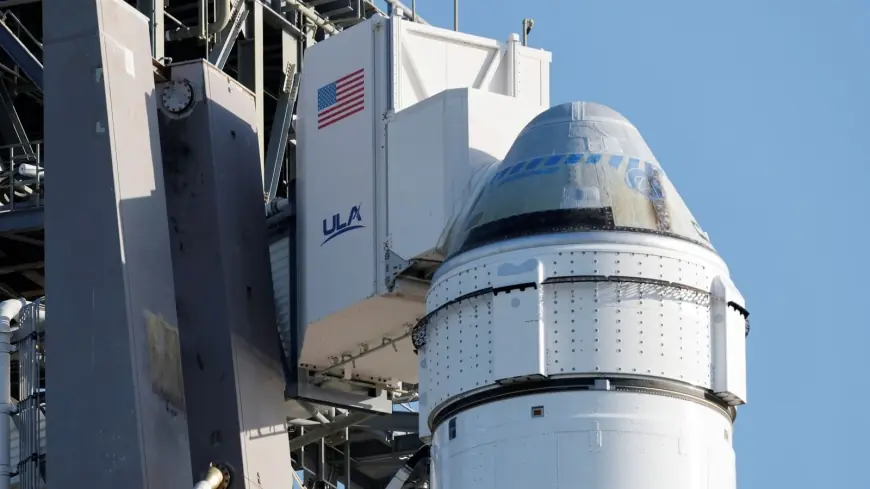
The boeing starliner failure has been formally designated a "Type A" mishap by the agency after a crewed test flight left two astronauts stranded in orbit for more than nine months, a new 312-page report finds. The classification places the incident alongside the most severe accidents in the agency's history and triggers formal corrective actions.
Boeing Starliner Failure deemed 'Type A' mishap
The agency's report labels the incident its highest severity level, reserved for events that cause more than $2m in damage, the loss of a vehicle or its control, or deaths. The designation matches the grade historically applied to the two fatal shuttle disasters, underscoring the seriousness of the test flight's failures even though no lives were lost.
The agency's new chief sharply criticized both the spacecraft manufacturer and the agency's prior leadership choices, saying earlier problems had been accepted for flight despite ongoing issues. The report finds that while control was regained prior to docking, the potential for a catastrophic outcome existed.
Thruster failures left crew stranded
The boeing starliner failure stemmed from thruster malfunctions on the capsule's first crewed test flight, which left the vehicle dangerously out of control before the crew restored propulsion and completed a manual docking. Two test pilots expected to spend about eight to 14 days at the space station; instead they remained on board for months while the agency assessed the situation and worked toward a return plan.
The astronauts were eventually brought back to Earth on a subsequent commercial flight in March 2025. Both pilots have since retired from the agency. The report notes that thruster issues persisted into re-entry, raising further concerns about spacecraft readiness and flight safety.
Probe cites hardware, leadership and oversight faults
The independent investigation identified multiple, compounding causes behind the mishap: hardware failures, engineering shortcomings, leadership missteps and cultural problems at the organizations responsible for the program. Inspectors highlighted examples of risky practices during development, including the use of flammable tape on electrical connections and failures in parachute deployment hardware.
Investigators concluded that a lack of adequate oversight and poor decision-making contributed to conditions that fell short of the agency's safety expectations. The agency has accepted the report as final and is implementing corrective actions while formally holding leadership accountable for failures tied to the mission.
What happens next and the forward look
The agency has initiated corrective measures aimed at addressing both technical and organizational findings from the review. The report's classification and the scale of the findings mean follow-up actions will be extensive; if technical fixes and management reforms are fully executed, they may reduce the risk of similar events on future flights. If corrective work is incomplete, vulnerabilities identified in the report could persist.
- Type A designation: highest severity level for spaceflight mishaps (threshold: more than $2m damage, vehicle loss or deaths).
- Crew impact: two astronauts stayed on the space station for months beyond the planned mission and returned on a later commercial flight.
- Investigation focus: hardware failures, engineering flaws, leadership errors and oversight gaps; agency accepted the final report and is taking corrective action.
The agency framed the episode as a moment for transparency and accountability, noting the need to own mistakes and prevent recurrence. The long-term outcome will hinge on the effectiveness of the technical repairs and the depth of organizational changes that follow.