




















Nets Vs Thunder: How Oklahoma City's depth turned a short-handed night into a 105-86 statement — and what it means for both rosters


The immediate impact after the Nets vs Thunder matchup is felt most strongly by roster depth and recovery timelines: Oklahoma City's reserves delivered a decisive win while Brooklyn's scoring woes deepened. In a game that reshaped short-term expectations, the Thunder leaned on a newly acquired guard and balanced scoring to overcome injuries and hand the Nets their third straight loss.
Nets Vs Thunder — who shifts first from this result
Here's the part that matters: Jared McCain, newly added in a trade this month, produced a season-high 21 points in a reserve role (7-of-12 FG, 3-of-6 from deep), immediately altering how the Thunder can allocate minutes while key players recover. Oklahoma City is short-handed — two primary scorers are sidelined with an abdominal strain and a strained right hamstring and will be re-evaluated in the coming weeks — so the win spotlights which bench options can carry real game-loads.
For Brooklyn, the problem was efficiency. The Nets shot 36. 7% from the field and suffered a third straight loss; Michael Porter Jr. had 22 points and nine rebounds and Nolan Traore added 17, but the team could not break out of an extended second-quarter drought that left them trailing by a large margin at halftime.
What's easy to miss is how quickly a single breakout performance from a new acquisition can reshape coaching choices when injuries force lineup adjustments. The Thunder now have tangible on-court evidence that a recent trade piece can be more than short-term depth.
Game flow and key figures from the 105-86 result
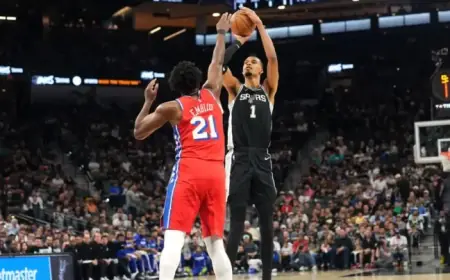
The box-score balance told the story: Chet Holmgren added 15 points, Isaiah Joe 11, and Isaiah Hartenstein and Lu Dort chipped in 10 each as Oklahoma City spread production across its rotation. After trailing 23-21 at the end of the first quarter, the Thunder took control early in the second and built a decisive lead; Brooklyn went the first 8 1/2 minutes of that quarter without a field goal. Dort was fouled on a made 3-pointer late in the second and converted the free throw to extend the lead to 43-30, and the Thunder led 50-33 at halftime after holding the Nets to 3-for-17 shooting in the period — a half in which Brooklyn scored just 10 points, a low for an opponent in Oklahoma City this season.
Nikola Topic, who recently made his NBA debut after undergoing treatment, hit a 3-pointer and a finger roll during a 7-3 run that pushed the Thunder to an 86-70 advantage. The final margin — 105-86 — reflects both the Thunder's bench uplift and Brooklyn's continuing offensive struggles.
- Final score: Thunder 105, Nets 86
- Thunder standout: Jared McCain — 21 points (season high), 7-for-12 FG, 3-for-6 3P
- Other Thunder contributors: Chet Holmgren 15; Isaiah Joe 11; Isaiah Hartenstein 10; Lu Dort 10
- Nets leaders: Michael Porter Jr. 22 and nine rebounds; Nolan Traore 17
- Brooklyn shooting: 36. 7% from the field; third straight loss
Mini timeline:
- End of Q1: Thunder trailing 23-21.
- Early Q2: Thunder break out to a 38-26 lead; Nets go 8 1/2 minutes without a field goal.
- Late Q2: Dort made a free throw after a made 3 was fouled to make it 43-30; halftime lead 50-33 after Nets went 3-for-17 in the quarter.
- Late game: Topic's 3 and finger roll during a 7-3 run gave Thunder an 86-70 cushion; game closed at 105-86.
The real question now is how this changes immediate rotations and confidence. The Thunder move to a stronger record in the wake of the win, while the Nets drop further into a slump where efficiency and scoring must be regained.
Potential signals to watch for confirmation of this turning point include whether McCain keeps producing at this level in more minutes, whether the injured Thunder players are cleared in the coming re-evaluations, and whether Brooklyn can break its shooting slide in subsequent games. Recent updates indicate some players on both rosters will be re-evaluated, and those outcomes may alter usage patterns and matchups going forward.
Writer's aside: The bigger signal here is less about a single final score and more about how a club adapts — a successful bench performance in the absence of primary scorers provides a blueprint that coaches can lean on while rehabbing key players.