


















Kamila Sellier Hospitalized After Short-Track Crash; Rival Disqualified and Surgery Completed

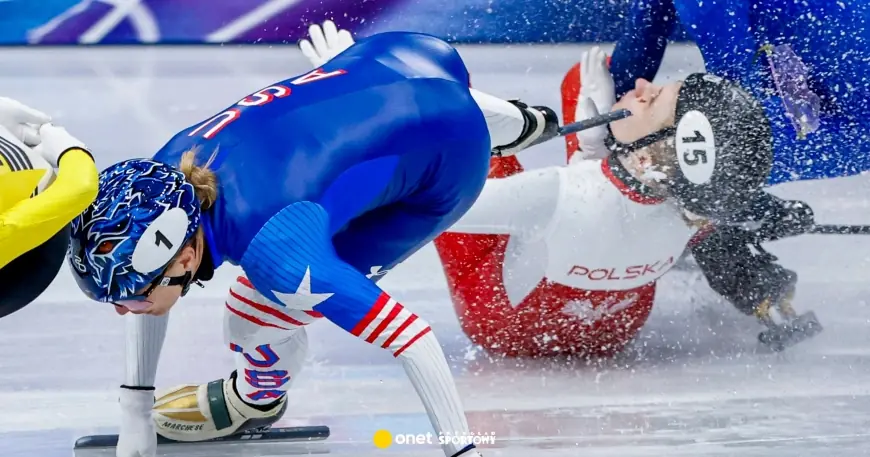
kamila sellier was struck in the face by another skater's blade during the 1500m short-track quarterfinals and was taken to hospital for treatment. The incident matters now because the competitor who caused the crash was immediately disqualified and medical teams performed surgery to address a facial fracture, with eye function tests scheduled in the hours that followed.
Development details: Kamila Sellier's injury and treatment
The incident occurred during the quarterfinal race over 1500 metres in short track on Friday evening. kamila sellier fell with five laps to go; a rival's skate blade hit her face, knocking off her goggles and producing visible bleeding. The skater who initiated the contact, Kristen Santos-Griswold, was disqualified on the spot.
Sellier was covered with a large white screen on the track and carried off on a stretcher by the Olympic medical team after briefly signalling to the crowd with a thumbs-up to show she was conscious. She was transported to hospital, where a computed tomography scan revealed a small fracture of the zygomatic bone. Medical staff decided to reopen the wound so clinicians could assess the bone more closely; later that procedure was performed and the injured bone was reconstructed and the wound cleaned.
The night after the crash Sellier slept despite reporting pain. Early on Saturday, tests of the mobility of her eyeball were planned; initial eye examinations conducted the previous evening had been completed and follow-up assessments were scheduled.
Context and pressure points
The crash eliminated Sellier from further competition in the event. Two other members of the national short-track squad also exited in the same round, with all three Polish skaters knocked out of the 1500m quarterfinals. Teammates and mission staff noted the inherent hazards of short-track racing: skaters travel at high speeds on sharp blades and portions of the face remain exposed despite protective clothing.
Polish Olympic Mission personnel provided updates through the night and the following morning. The head of the mission gave an on-air summary of Sellier's post-operative condition, noting she was awake, notably swollen, and awaiting the scheduled ocular mobility tests. A spokeswoman for the national Olympic committee said the decision to proceed with the surgical reopening followed the CT findings of a small fracture.
Immediate impact
The immediate consequences were swift. The competitor involved received an instant disqualification, removing her from further rounds. kamila sellier was taken out of the competition and placed under the care of surgical and ophthalmologic teams for assessment and recovery. Her withdrawal also closed a chapter of the national team's hopes in that distance at these Games.
Medical staff completed the reconstructive procedure and left Sellier under observation overnight. Mission medics reported she had not slept much but had been examined for eye function, which remained the primary clinical concern following the facial injury.
Forward outlook
In the immediate timeline, further clinical assessments of the injured eye and facial mobility were the next confirmed steps. The mission's medical lead had indicated that additional tests of eye movement were scheduled for the day after surgery to determine the extent of any lasting impairment. The matter remains under review by the medical team as they complete these assessments.
What makes this notable is the rapid sequence from track injury to surgical intervention and the instant sporting penalty imposed on the competitor. The timing matters because early imaging and prompt operation were used to establish the precise nature of the fracture and guide the post-operative testing plan. Those clinical results will determine Sellier's short-term recovery and any further medical milestones the team will announce.