



















Semifinals Set: 2026 Winter Olympics Ice Hockey Semifinals Feature Canada-Finland, USA-Slovakia and Staff Predictions

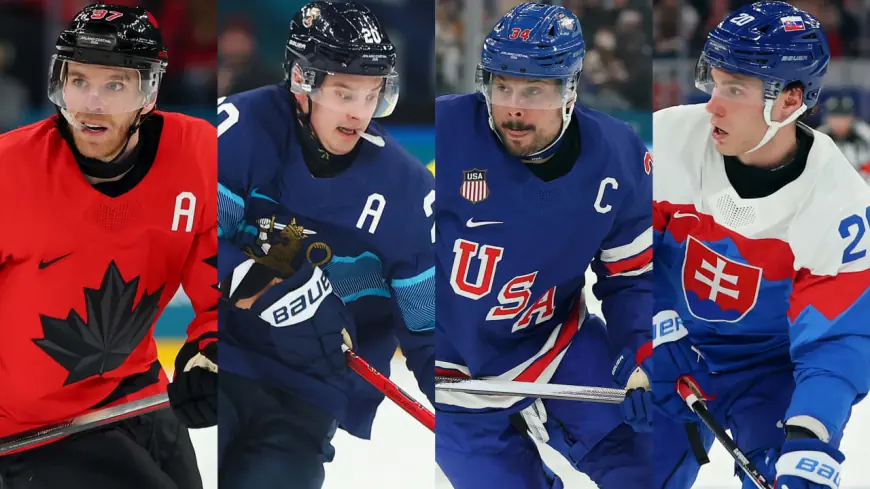
The 2026 winter olympics ice hockey semifinal pairings and schedule are set, with Team Finland facing Team Canada and Team Slovakia meeting Team USA in Milan. The matchups and ET start times are in place hours before the final four play for a path to gold and bronze, and a panel of eight writers and editors covering the Games has published semifinal predictions and the reasons behind them.
What happened and what’s new
The men's tournament semifinal matchups are confirmed: Team Finland will play Team Canada at 10: 40 a. m. ET, followed by Team Slovakia against Team USA at 3: 10 p. m. ET. The winners advance to the gold-medal game scheduled for Sunday at 8: 10 a. m. ET, while the losing teams will meet in the bronze-medal game on Saturday at 2: 40 p. m. ET. These schedule details were presented alongside a set of written semifinal predictions from eight writers and editors covering the Olympic hockey tournament in Milan.
The prediction rationale shared by the panel highlights several recurring themes: Finland's offense has had difficulty generating consistent scoring; Canada is viewed as deeply stocked and capable of tightening defense; the United States is credited with four effective forward lines and a strong blue line; and Slovakia has been characterized as the tournament's surprise or "Cinderella" team with breakthrough contributions from particular players. Individual players named in the assessments include goaltending and skater performances cited as potential decisive factors.
2026 Winter Olympics Ice Hockey: Behind the headline
Context for these semifinal narratives comes from recent knockout-round games. Each of the four semifinal teams entered this stage after overtime victories in the quarterfinals, and Team Canada in particular is noted to have faced a late challenge in its quarterfinal match. The panel's predictions emphasize goaltending, line depth, and the impact of individual stars as the primary drivers that could determine which teams reach the final.
Stakeholders in these games include the players named as potential difference-makers, the national teams pursuing medals, and the broader tournament narrative shaped by an unexpected run from one national side. Incentives are straightforward: reaching the gold-medal game offers the highest competitive reward, while maintaining momentum and protecting team depth are immediate operational constraints for coaching staffs.
What we still don’t know
- Which specific lineups and starting goaltenders will be used for each semifinal (unconfirmed).
- How injuries, if any, will affect availability and roles for named players (unconfirmed).
- Which individual performances or tactical adjustments will decide either semifinal (open).
- Exact in-game turning points and whether overtime will again be required (open).
What happens next
- Scenario: Canada defeats Finland and advances to the gold-medal game. Trigger: Canada's defensive structure limits Finland to low scoring and its offense breaks through enough to win in regulation.
- Scenario: Finland upsets Canada and reaches the final. Trigger: Elite goaltending and an unexpected scoring burst overcome Canada's depth.
- Scenario: USA defeats Slovakia and moves to the gold-medal match. Trigger: Consistent four-line production and blue-line control stifle Slovakia across 60 minutes.
- Scenario: Slovakia completes a Cinderella run by beating USA. Trigger: Continued scoring from Slovakia's top performers and timely goaltending carry the upset.
- Scenario: One or both games go to overtime, extending medal-round drama. Trigger: Tight defensive play and balanced scoring keep games level through regulation.
Why it matters
These semifinals determine which two teams will contend for Olympic gold and which two will play for bronze, shaping national hockey narratives and individual legacies at the Games. The panel's predictions frame the key storylines to watch: whether goaltending or depth will prevail, whether an underdog run continues, and which star performances will influence outcomes. In the near term, immediate implications include lineup decisions, tactical matchups, and the degree to which named players will be relied upon to deliver in high-leverage moments. For fans and team staffs alike, the next two days will reveal whether pregame expectations align with results on the ice.
Note: the semifinal matchups, start times, medal-game schedule and the existence of published predictions are confirmed. Outcomes and starting decisions remain unconfirmed until game time.