

















Supreme Court strikes down emergency power behind Trump Tariffs


The Supreme Court has struck down the legal basis used to impose broad trump tariffs, delivering a 6-3 decision that undercuts one of the White House’s central trade moves and creates immediate uncertainty over refunds and the administration’s next steps. The ruling found the 1977 emergency statute cited by the administration did not authorise most of the levies, a conclusion that could lead to billions in tariff refunds and reshuffle how the federal government enacts trade duties going forward.
What the court ruled
The majority held that the International Emergency Economic Powers Act (IEEPA), a 1977 law invoked by the administration, did not grant the president authority to impose the sweeping tariffs at issue. Chief Justice John Roberts wrote that "When Congress has delegated its tariff powers, it has done so in explicit terms and subject to strict limits" and that "Had Congress intended to convey the distinct and extraordinary power to impose tariffs, it would have done so expressly. " The decision joined the court’s three liberal justices and two justices nominated by the president; three conservatives dissented. The opinion also relied on the major questions principle, concluding that the core power to tax and impose tariffs belongs to Congress and cannot be supplied by an ambiguous delegation in a broadly worded emergency statute.
Implications for businesses and potential refunds
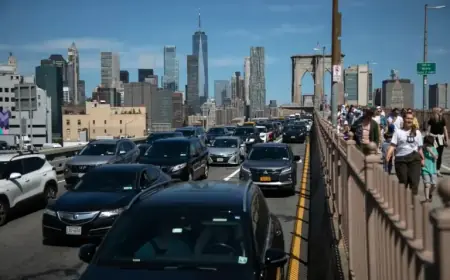
By invalidating the statutory basis for the duties, the ruling opens the door to potential refunds that critics and plaintiffs had sought. Challengers included small businesses and state governments that argued the emergency law made no mention of "tariffs" and did not intend to transfer taxing authority to the executive. The contested levies had been applied to goods from nearly every country, initially targeting Mexico, Canada and China before expanding more broadly on "Liberation Day" in April. The tariffs had prompted complaints that they would push up prices and impose abrupt new taxes on importers; the court’s decision could produce substantial financial consequences for federal customs collections and for firms that paid the duties.
Trump Tariffs: president's response and next steps
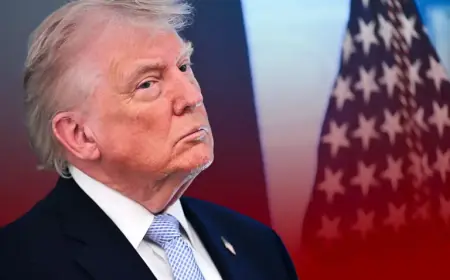
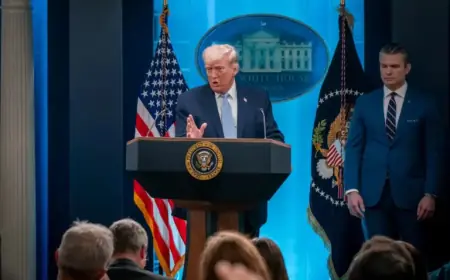
The president forcefully rejected the decision at a news event, calling the justices who ruled against him "a disgrace to the nation" and announcing plans for alternate measures. He pledged to enact a 10% global baseline tariff under Section 122 of the Trade Act of 1974, a statutory authority that allows the president to impose tariffs for a 150-day period while investigations into unfair trading practices are opened. The administration had previously signalled it would pursue other tools after the court decision, and the president said those alternatives would be "very powerful" and could lead to permanent duties following investigations.
What to watch next
Near-term developments to monitor include whether the administration formally initiates Section 122 investigations and whether businesses begin filing claims for refunds tied to the struck-down levies. If the White House moves forward with the 10% baseline tariff, that measure would last up to 150 days under the cited trade law unless extended by later action. The ruling also raises broader questions about what statutory paths the executive can use to reshape tariffs without explicit congressional authorization; lawmakers and affected parties are likely to press for clearer legislative fixes or limitations in response.