










![Amber Glenn Withdraws From [Event] Citing Injury, Will Miss Upcoming Season — Update](https://www.filmogaz.com/uploads/images/202602/image_430x256_6994eca04b7cd.webp)


Robert Duvall Dies at 95: Revisiting His Defining Movies, From Apocalypse Now to The Godfather, and the Legacy of Tom Hagen

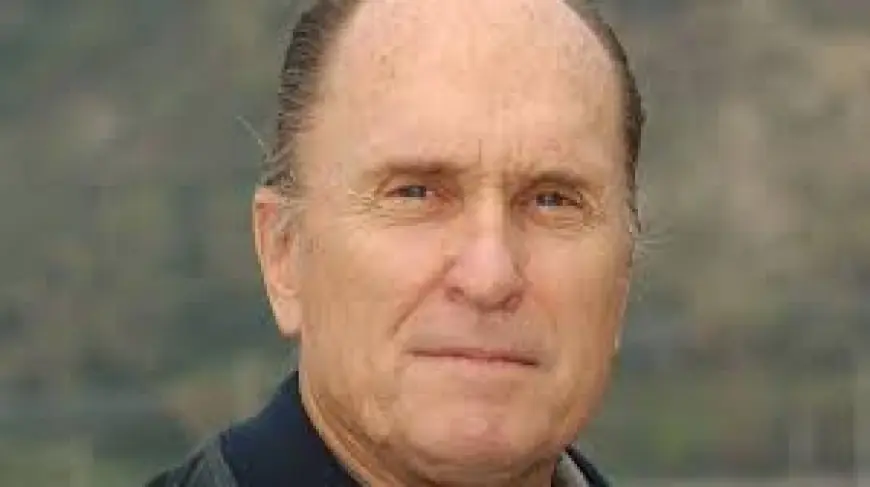
Robert Duvall, the Oscar-winning actor whose career spanned more than six decades and reshaped what audiences expect from “supporting” roles, has died at age 95. He died on Sunday, February 15, 2026, at his home in Virginia, in U.S. Eastern Time. Tributes quickly followed from across the film world, including fellow icons tied to the same cinematic era that Duvall helped define.
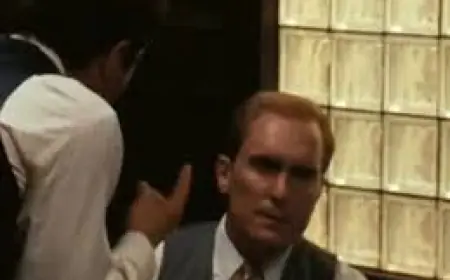
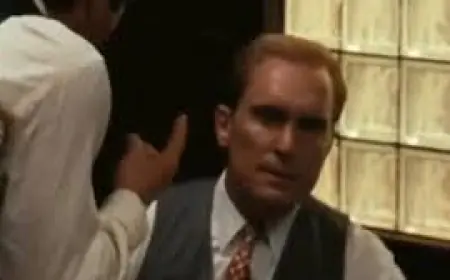
For many viewers, Duvall is inseparable from two characters: the calm, calculating Tom Hagen in The Godfather and the swaggering cavalry officer in Apocalypse Now who delivers the film’s most quoted napalm line. But that framing, while true, can undersell the real point of his career: Duvall made character work feel like the main event, often turning a few minutes on screen into the emotional spine of an entire film.
Robert Duvall Movies That Became Cultural Shortcuts: Apocalypse Now, The Godfather, and Beyond
Duvall’s most famous moments are often remembered as memes before memes existed: a look, a pause, a grin, a sentence that landed like a hammer. In Apocalypse Now, his fearless confidence plays as both charisma and critique, capturing the bizarre normalcy that can develop inside violence. In The Godfather, his Tom Hagen is the opposite kind of power—legal, measured, almost bloodless—yet still deeply loyal to a family business built on intimidation.
Those roles endure because they are archetypes done with realism. Hagen isn’t a cartoon consigliere; he’s a professional who knows how the machine works and still chooses to stand beside it. The officer in Apocalypse Now isn’t a generic villain; he’s an American myth told straight, and that honesty is what makes the character unsettling.
Beyond the famous titles, Duvall’s work in Tender Mercies remains central to how actors talk about craft. It’s a performance built on restraint—no grand speeches, no obvious emotional cues—yet it lands as a full portrait of a man trying to rebuild a life from the inside out. That is the Duvall method in a sentence: minimal display, maximum truth.
The Godfather Ensemble Effect: Why Duvall, Al Pacino, and Robert De Niro Still Matter Together
Duvall’s death reactivates a larger conversation about the American film generation that dominated the 1970s and beyond—actors who treated film as lived experience rather than presentation. That’s why tributes from peers like Al Pacino and Robert De Niro carry extra weight: they weren’t just contemporaries, they were part of the same competitive standard-setting ecosystem.
Behind the headline is a quieter reality: these legacies are not only artistic, they’re economic. Classic films keep generating revenue through licensing, restorations, anniversary screenings, and bundled streaming rights. When a legendary performer dies, interest spikes. Watchlists get rebuilt. Catalog value rises. Estates, rights-holders, and studios all feel the ripple—sometimes within hours.
Shelley Duvall, “Duvall,” and the Name Confusion People Ask About
One question that predictably resurfaces is whether Shelley Duvall is related to Robert Duvall. They were not known to be related; they simply shared a last name and both became widely recognizable faces of American cinema. The overlap matters because search interest often blends identities during news moments, and it can distort how people remember careers—especially for younger audiences encountering these names for the first time.
Luciana Pedraza and the Off-Screen Story That Shaped His Later Years
Duvall is survived by his wife, Luciana Pedraza, who was also a creative collaborator in his later years. Their partnership became part of his public image not as celebrity spectacle, but as stability—an artist known for intensity and focus finding a long, grounded final chapter.
Questions about “Robert Duvall net worth” will circulate fast. The practical truth is that public estimates vary widely. What’s clearer is how the fortune was built: decades of steady leading and supporting work, occasional directing and producing, and the long tail of royalties and residuals tied to enduring films.
What We Still Don’t Know
Even with a confirmed death date, key details may remain private unless the family chooses to share them:
-
Specific medical cause of death and timeline of illness, if any
-
Funeral or memorial plans, including whether a public tribute will be held
-
Estate details, charitable commitments, and rights management for his catalog
What Happens Next: Realistic Scenarios and Triggers
-
A surge in viewership for Apocalypse Now, The Godfather films, and Tender Mercies over the next two weeks, driven by curated marathons and renewed audience curiosity.
-
Industry tributes at upcoming ceremonies, with triggers tied to scheduling cycles and awards-season calendars.
-
Re-releases or special screenings, especially if rights-holders coordinate anniversary framing around Duvall’s passing.
-
Increased focus on his less-discussed work—projects like A Shot at Glory and later-career roles—as audiences go beyond the greatest hits.
Duvall’s career wasn’t just a list of credits; it was a masterclass in how to make a character feel like a complete person. In an era that often rewards volume and visibility, his lasting impact is almost defiant: fewer flourishes, more reality, and performances that keep teaching actors how to act.