






















Tyreek Hill Free Agency Fuels Chiefs Reunion Talk After Knee Injury

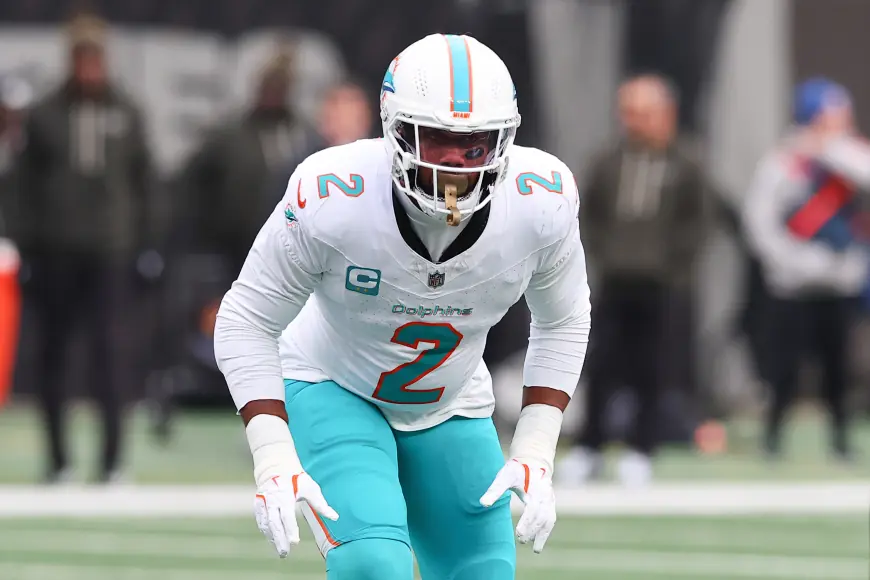
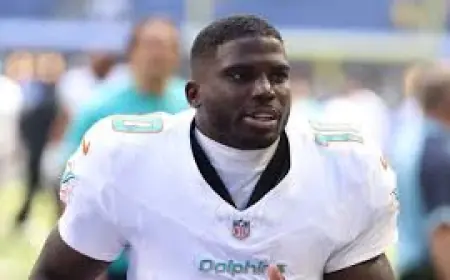
Tyreek Hill is a free agent for the first time in his career, and his availability has prompted public pleas from former teammates as teams weigh the risks and rewards of signing the injured star. A high-profile call for a reunion came Monday night ET, as one veteran defender urged Hill to return to Kansas City. The conversation around Hill is part medical, part strategic, and fully entangled with timing as the league moves toward the new year.
Veterans pushing for a Kansas City return
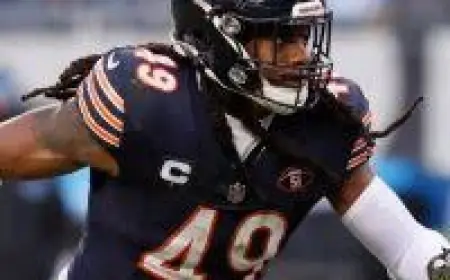
After Hill suffered a serious knee injury in September 2025, talk about his future intensified. One prominent defensive veteran made an emotional public plea Monday night ET, urging Hill to come back and help restore the offense that once dominated the league. That push is bolstered by the return of a familiar offensive architect to Kansas City, which has created a sense among some ex-teammates that a reunion could accelerate a return to form.
Hill last played for Kansas City in 2021, and while no one expects an immediate replication of his peak explosiveness, supporters argue his route-running, savvy and competitive edge could still outmatch many of the available alternatives. For the player, the choice will likely come down to whether he wants a fresh start elsewhere or a second-chance reunion with a franchise he helped define.
Health questions and on-field outlook
The central unknown is how Hill’s knee will respond to a full season of NFL play. Medical evaluations will be decisive, and teams will weigh the injury history against the ceiling of what Hill can still deliver. Even if he’s not the pre-injury Tyreek in terms of top-end speed, he could remain elite in separation, contested-catch situations and in creating matchup problems—areas that don’t always require repeat burst speed.
Teams that move aggressively will structure deals to mitigate risk: shorter guarantees, performance incentives and roster-protective clauses are likely. If Hill can pass physicals and demonstrate sufficient recovery in early offseason workouts, his market could broaden. If medical red flags persist, suitors may be limited to teams willing to accept a rehabilitative timeline paired with upside clauses.
Market timing and league-wide implications
The calendar adds urgency. The formal legal tampering window opens on March 9, and the new league year begins at 4: 00 p. m. ET on March 11. That mid-February to early-March stretch is when teams often finalize roster cleanups and chase veteran additions with immediate availability. Historically, players released or made available in this window have found new homes quickly, though often at reduced financial terms reflecting injury or recent performance concerns.
Hill’s situation differs from a straight salary-cap cut; he’s an elite name with a recent major injury. That combination creates leverage for both sides. Contenders with established quarterback situations will evaluate whether Hill’s presence meaningfully raises their ceiling. For teams in rebuild mode, the calculus tilts toward caution—investing draft capital or cap space in a recovery project carries long-term risk.
Beyond roster construction, Hill’s decision will ripple across the receiving market. If he signs a modest, short-term deal, teams that had targeted wideout upgrades may pivot, reshaping offseason priorities. Conversely, a long-term commitment to Hill would be a bold statement that a team believes his best football remains ahead.
Ultimately, Hill’s free agency will test how franchises balance medical uncertainty against transformative talent. Whether he chooses a familiar homecoming or a fresh opportunity elsewhere, the coming weeks—anchored by medical evaluations and the league’s calendar—will determine where one of the most dynamic playmakers of the past decade lands next.