























Why Norway Dominates the Winter Olympics but Struggles in Men's Hockey

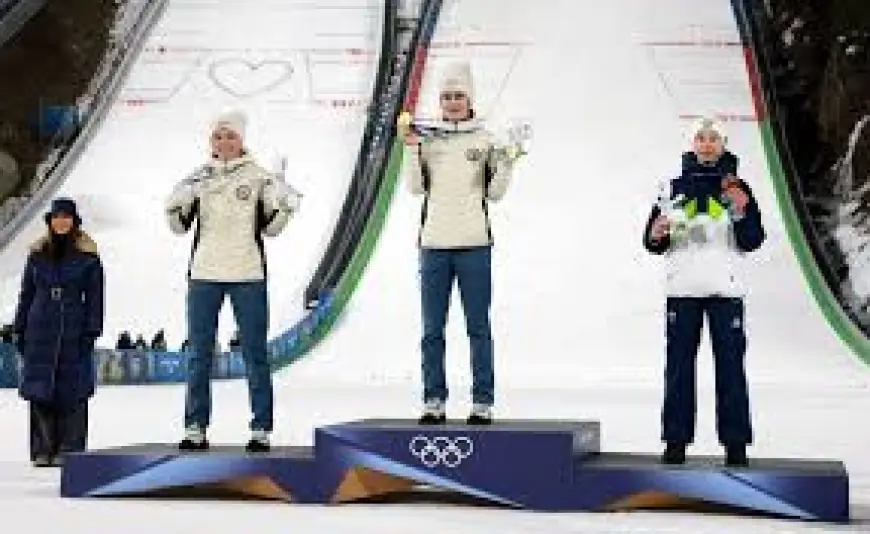
Norway sits atop the Winter Olympic medal table, yet its presence in ice hockey remains modest. The country's men’s side was one win shy of qualifying for the 2026 Games, but broader structural and cultural factors keep Norway well behind neighbors that treat the sport as a national priority.
Numbers that reveal a structural gap
At first glance the contrast is stark. Norway fields a tiny pool of elite players compared with Sweden and Finland. Only three Norwegians have appeared in NHL games this season, while their Scandinavian neighbors count dozens. One homegrown star has carried much of the country's hockey profile: a veteran forward whose long NHL career has made him far and away Norway's most recognizable player. He began dreaming of that level of hockey watching a VHS of a Stanley Cup run he found while travelling as a teenager.
Participation statistics underline the challenge. Norway's registered player base is a fraction of its neighbors', and it supports a much smaller infrastructure: roughly 54 indoor rinks nationwide. By contrast, there are more rinks within a 100-kilometer radius of one regional capital than in all of Norway combined. Fewer rinks mean fewer regular practice hours, fewer youth leagues and fewer local role models who can sustain interest and talent development.
Cultural and geographic hurdles
Hockey competes with deeply rooted national pastimes. Cross-country skiing, biathlon and other Nordic disciplines dominate the sporting imagination and enjoy heavy investment from youth programs to elite funding. That creates multiple recruitment pathways for athletic kids—many choose sports where Norway already produces global champions.
Geography plays a role, too. Much of Norway's terrain is mountainous and sparsely populated, lending itself to skiing rather than ice-rink sports. Where towns are smaller and farther apart, the economics of building and maintaining indoor rinks are less attractive. The result is a self-reinforcing cycle: fewer rinks produce fewer players and fewer elite prospects, which reduces the incentive for additional investment.
Past players and administrators point to the missed opportunity international tournaments provide. Losing a place on the Olympic stage deprives the sport of high-profile exposure at home and the chance to inspire a new generation of players. One former national team member called the failure to qualify for the Olympics "a sad thing, " underscoring how important visibility and role models are to growing a sport's domestic footprint.
Signs of progress and what it will take
There are increments of progress. The near miss for the 2026 Games showed Norway is closer than past decades to competing at the top level. A handful of players now gain experience in stronger leagues abroad, and targeted development efforts could expand the talent pipeline if they are sustained and scaled.
But closing the gap will require long-term commitment: more ice time, grassroots recruitment in population centers, and a cultural shift that elevates hockey as an option for athletic kids who might otherwise gravitate toward skiing or soccer. Investment in rinks is politically and financially costly, but even modest increases in accessible facilities can multiply participation at the youth level. Equally important is visibility—consistent presence at major international tournaments, including the mens hockey olympics, would provide the kind of inspiration that has driven other small nations to punch above their weight in one-off sports.
Norway's winter-sport excellence shows that small populations can produce outsized results when infrastructure, culture and funding align. The country has demonstrated world-beating success in many disciplines. For hockey, the path is clearer than it might appear: build the ice, grow the leagues and give young players reasons to choose the puck over the skis.