
























Students Wounded in Georgia School Shooting Testify in Trial of Shooter’s Father

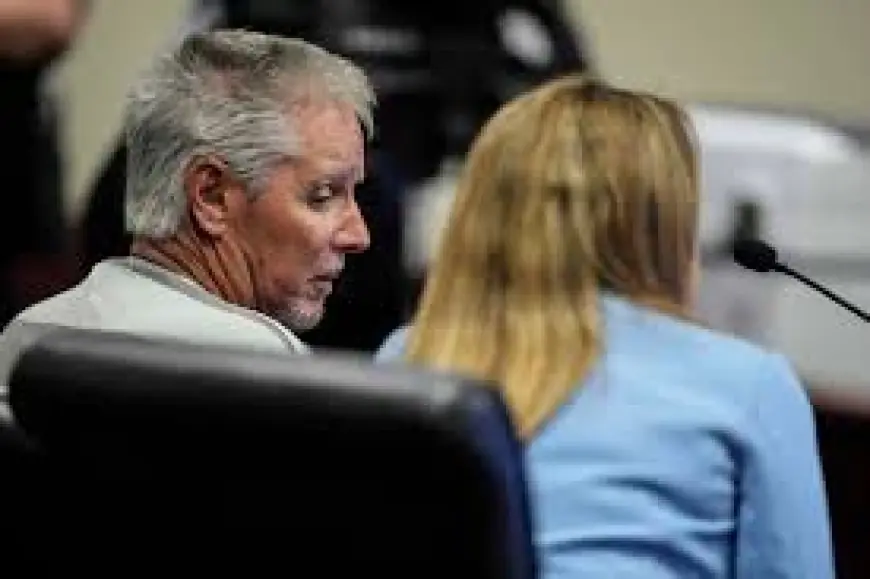
Wounded students took the stand this week in the trial of the father of the student who carried out a school shooting in Georgia, delivering emotional testimony about the moments of the attack and its aftermath. Testimony emphasized the human toll of the violence as the courtroom weighed the question of responsibility.
Victims recount the day
Several students who were injured described the chaos and fear that erupted during the incident. Witnesses spoke about running for cover, the sound of gunfire, and the scramble to find safety. One student described seeing the shooter with a colt gray firearm and the immediate rush to get out of harm’s way. Emotions ran high in the courtroom as students explained how the events have changed their daily lives, from ongoing medical treatment to persistent anxiety and difficulty returning to school.
Some witnesses recounted how teachers and classmates reacted, detailing efforts to shield others and the emergency response that followed. Testimony painted a picture of a school community left trying to reconcile their trauma while seeking answers about how the shooting happened and whether it could have been prevented.
Legal battle centers on responsibility and evidence
The trial focuses on the father’s alleged role in enabling his child to carry out the attack. Prosecutors presented testimony meant to establish a link between the defendant’s actions and the shooter’s access to the weapon. Defense attorneys questioned the memory and perceptions of some witnesses, arguing that traumatic events can affect recall and that responsibility lies with the individual who committed the shooting.
Evidence introduced during testimony included witness descriptions of the scene and items recovered by investigators. Cross-examinations probed inconsistencies in accounts and sought to place witness statements in context. The court heard arguments about whether possession or storage practices contributed to the shooter’s ability to obtain the weapon, with both sides emphasizing different angles of culpability.
Community response and next steps
The courtroom proceedings have drawn attention from community members seeking accountability and answers. Families of victims and other residents have attended hearings, expressing frustration and sorrow as testimony detailed the long-term impact of the shooting. Advocates for safety measures reiterated calls for changes intended to prevent similar incidents, while others emphasized the need for nuanced legal scrutiny in the ongoing trial.
As the trial continues, the court will hear additional witnesses and legal arguments before the judge and jury deliberate. For those who testified, the process of recounting their experiences in public has been difficult but important to the search for truth. The outcomes of the trial could shape local conversations about responsibility, prevention, and support for survivors, while the wounded students and their families continue to navigate recovery in the weeks and months ahead.