
























Survivors Share Harrowing Tales Year After Toronto Plane Crash

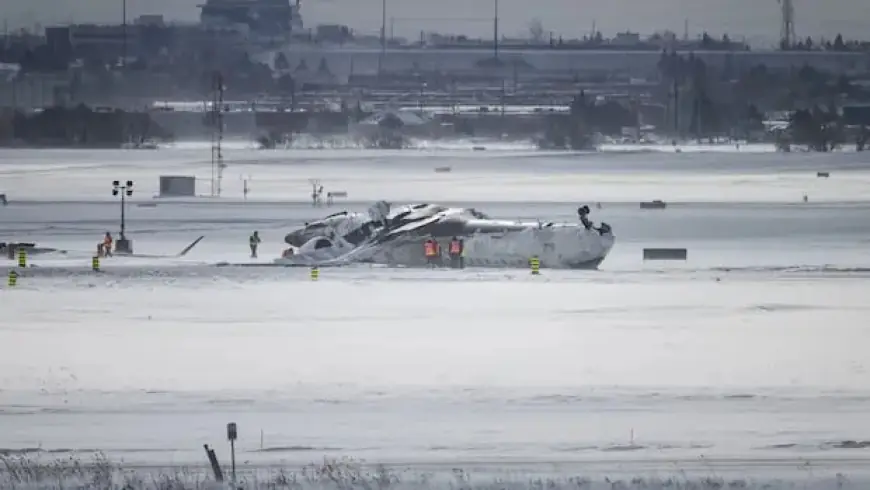
One year has passed since the tragic crash of Delta Air Lines Flight 4819 at Toronto’s Pearson International Airport. This incident, which occurred on February 17, 2025, involved a flight from Minneapolis, operated by Endeavor Air. Remarkably, all 76 passengers and four crew members survived, despite the plane suffering a catastrophic landing that included breaking its landing gear and eventually flipping over.
Survivor Accounts of the Crash
John Nelson, reflecting on the harrowing experience, described the moment of impact. He recalled feeling the aircraft descend rapidly before it hit the ground. “It was like being in a washer,” he said, reflecting on the disorienting experience of the plane flipping over. After unbuckling his seatbelt, he found himself upside down, surrounded by the smell of jet fuel and flames.
While most passengers emerged relatively unscathed, 21 individuals required medical attention following the crash. Nelson, who had aspirations to compete as an Ironman triathlete, now faces persistent health issues, including a torn retina and ongoing neck and back pain. He shared his struggles with anxiety and depression, exacerbated by the traumatic experience.
The Impact on Mental Health
Many survivors of the crash, like fellow passenger Nate Richie, report enduring psychological burdens from their ordeal. Richie recalled the chaos and fear inside the cabin, with memories of loved ones flashing through his mind as he unbuckled his seatbelt. After the crash, he was diagnosed with a traumatic brain injury, compounding his physical struggles.
- John Nelson: Suffered from injuries including a torn retina and anxiety disorders.
- Nate Richie: Diagnosed with traumatic brain injury and dealing with persistent “dark thoughts.”
Legal Proceedings and Compensation
In the aftermath of the crash, Delta Air Lines offered $30,000 in compensation to each passenger. However, many survivors view this amount as insufficient for the physical and psychological damages they have suffered. A master complaint has been filed in a U.S. district court, citing “wrongful acts and omissions” that led to serious injuries and losses.
Erin Applebaum, a New York attorney representing multiple passengers, described the crash as “100 percent preventable.” She contends that if the landing had been executed properly, the accident could have been avoided. Legal proceedings are currently in a holding pattern as they await findings from the Transportation Safety Board of Canada (TSB).
Investigation and Safety Measures
The TSB is conducting a thorough investigation into the crash. Preliminary reports indicate the aircraft landed at a high speed, which contributed to the landing gear breaking. Comprehensive analyses, including metallurgical examinations and flight data assessments, are ongoing.
Survivors like Richie hope that the investigation will prompt improvements in airline safety regulations. He expressed his desire for accountability and an apology from Delta Air Lines, emphasizing the profound impact the crash has had on his life. He described his ongoing struggle with memory issues and physical limitations, indicating that the incident has altered his daily life significantly.
The TSB has stated it is too early to conclude the causes and contributing factors of the crash. Nonetheless, the investigation continues to move forward, aiming to prevent similar incidents in the future.