

























El Paso No-Fly Zone Highlights Growing Drone Defense Challenges

The recent temporary airspace closure over El Paso, Texas, and parts of New Mexico has raised pressing concerns about drone defense mechanisms in the United States. The incident highlights vulnerabilities in counter-drone technologies as low-cost Unmanned Aerial Vehicles (UAVs) become more prevalent globally.
El Paso Airspace Incident Details
Last week, a significant airspace restriction was enacted by the Federal Aviation Administration (FAA). Originally set to remain in place for ten days, the restriction was lifted after just eight hours. This sudden closure sparked anxiety among pilots and citizens regarding drone threats and national security.
Reasons Behind the Airspace Closure
- The FAA’s initial justification related to potential drone incursions from Mexican drug cartels.
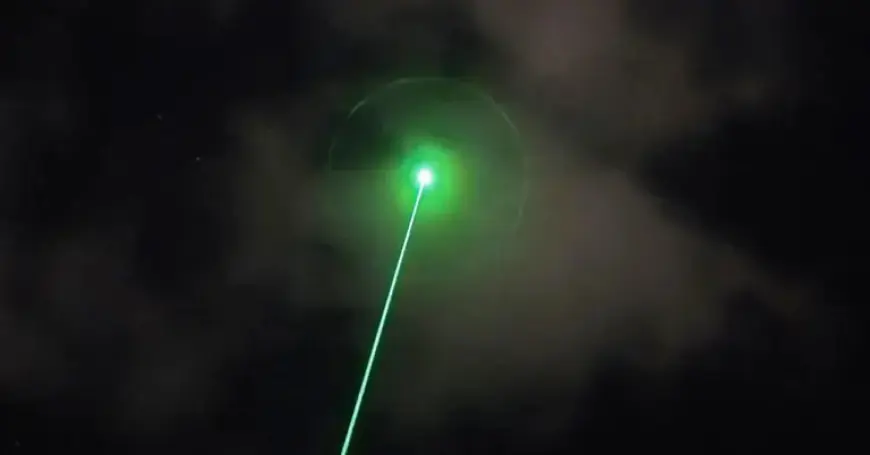
- Media reports suggested that concerns arose from the use of a Pentagon-provided anti-drone laser weapon by Customs and Border Protection (CBP).
- During the incident, this laser system mistakenly engaged a party balloon instead of an actual threat.
According to Tarah Wheeler, Chief Security Officer at TPO Group, the FAA made a prudent decision by issuing the temporary flight restriction. She emphasized that the agency likely responded to uncertainty regarding the laser’s operational timeline.
Government Responses and Future Considerations
The situation was met with calls for clarity and accountability. U.S. representatives Veronica Escobar and Gabe Vasquez, along with New Mexico senators Martin Heinrich and Ben Ray Luján, urged for a classified briefing with key government officials. They sought to understand the roles of various agencies and address failures in communication that contributed to the incident.
Details on the LOCUST System
The weapon involved in the airspace closure was identified as the “LOCUST” system, developed by AeroVironment (AV). This directed energy weapon operates at 20 kilowatts and is designed specifically to neutralize small drones.
- Two sets of LOCUST units were delivered to the U.S. Army in late 2025 as part of an advanced prototyping project.
- The Army’s tests indicate that laser technology could revolutionize short-range air defense amid the growing drone market.
The challenges of effectively deploying counter-drone systems are significant. Traditional methods such as jamming and shooting down drones pose safety risks, particularly in crowded urban areas. Thus, innovative solutions like the LOCUST system are essential as drone threats continue to evolve.
Conclusion
The El Paso airspace closure serves as a crucial reminder of the ongoing challenges in drone defense. As drone technology develops, effective countermeasures must also adapt. The incident underscores the need for improved communication among federal agencies to manage future drone-related incidents efficiently.