
























Iran’s Revolutionary Guards Conduct Drills in Strait of Hormuz

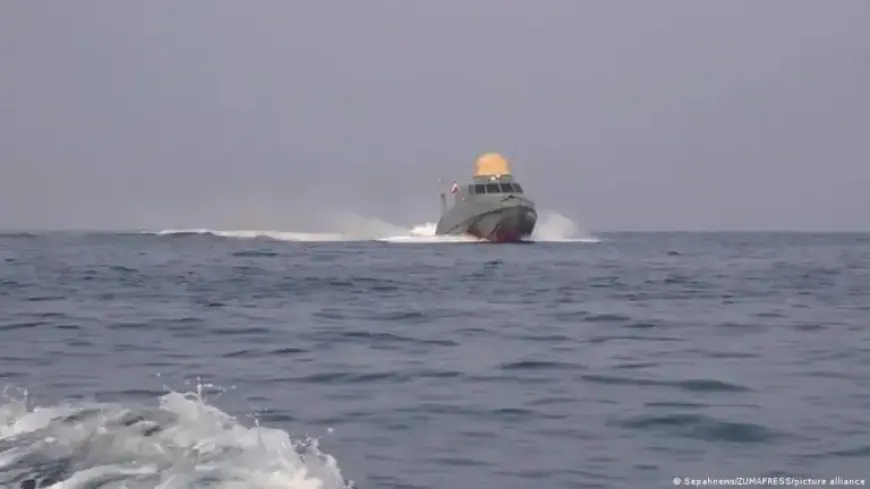
The Islamic Revolutionary Guard Corps (IRGC) of Iran commenced extensive naval drills in the crucial Strait of Hormuz on Monday. This exercise, titled “Smart Control of Hormuz Strait,” is being carried out by the IRGC’s naval forces under the oversight of its leadership. The primary aim of the drills is to assess the operational readiness of the forces in response to potential security and military threats.
Significance of the Drills
The timing of these drills holds particular importance against the backdrop of escalated tensions between Iran and the United States. Concerns are rising over Iran’s nuclear ambitions and its recent aggressive crackdown on anti-regime protests. Diplomatic discussions regarding Iran’s nuclear program have restarted after a prior breakdown, which was aggravated by Israeli airstrikes on Iranian facilities in June 2025. A new round of negotiations is set to take place in Geneva, with mediation from Oman.
Tensions in the Strait of Hormuz
The Strait of Hormuz serves as a vital maritime corridor connecting the Persian Gulf with the Gulf of Oman and the Arabian Sea. Iranian hardliners have threatened to obstruct this strategic waterway amidst increasing tensions with Washington. The U.S. Energy Information Administration (EIA) labels it as the world’s most crucial oil transit chokepoint, emphasizing its importance to global energy supplies.
Economic Implications
Large quantities of crude oil from OPEC nations, including Saudi Arabia, the United Arab Emirates, Kuwait, and Iraq, traverse this strait. The stability of this area is paramount not only for regional security but also for the global economy.
Key Takeaways
- Drills conducted by the IRGC focus on military readiness.
- Tensions with the U.S. are escalating due to nuclear concerns and political unrest.
- The Strait of Hormuz is critical for global oil transport.
- The upcoming Geneva talks may influence future U.S.-Iran relations.